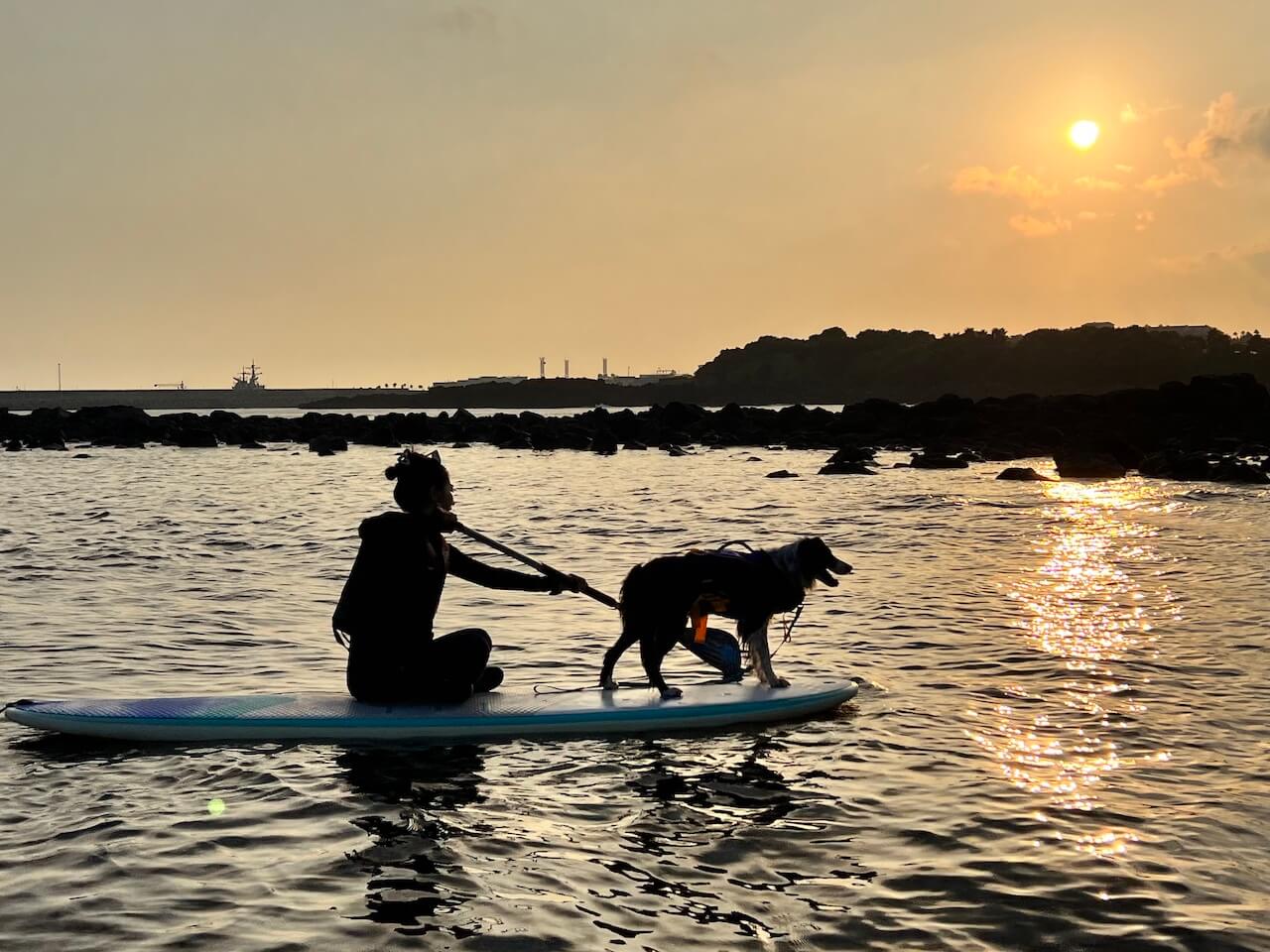
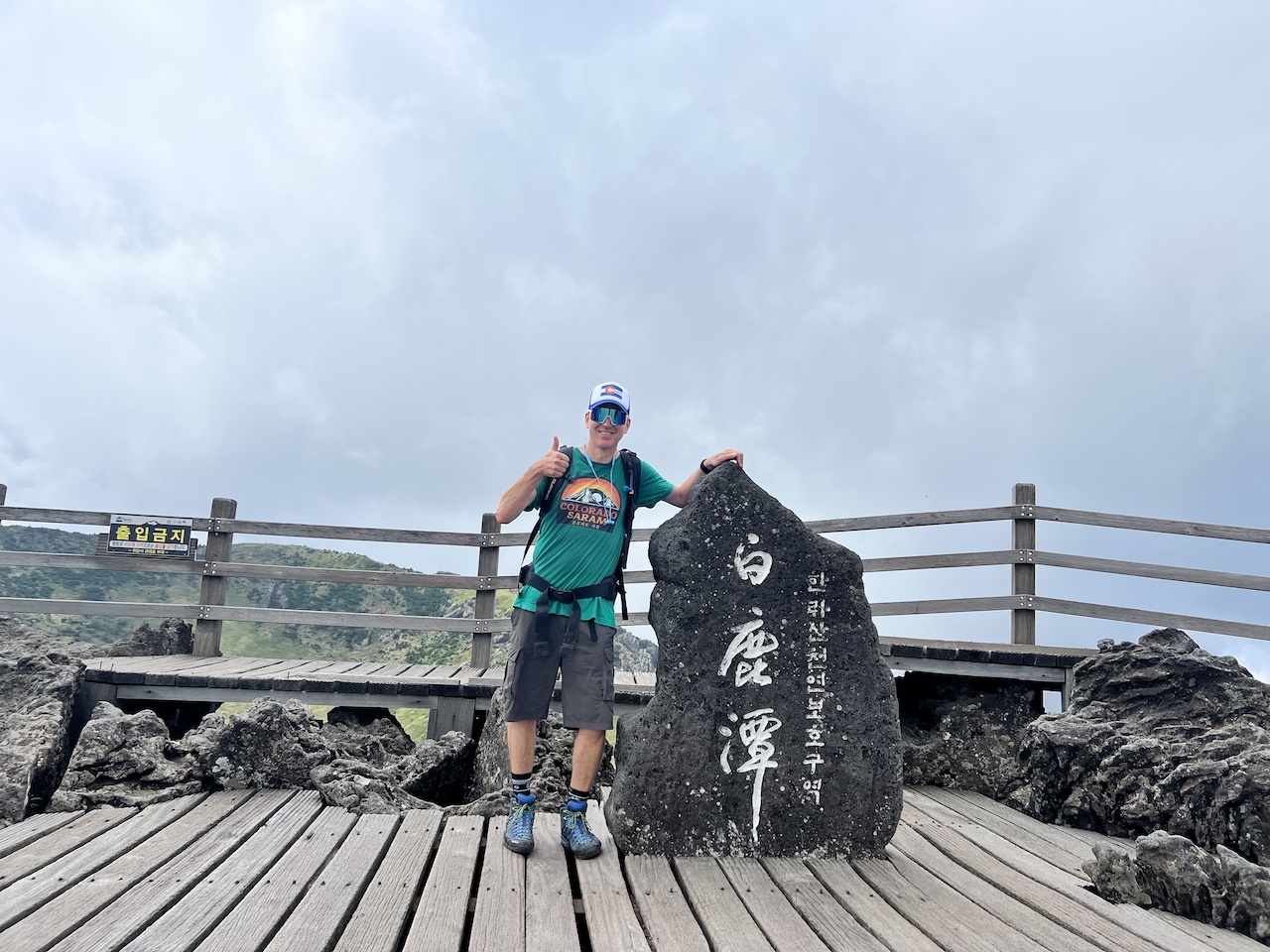
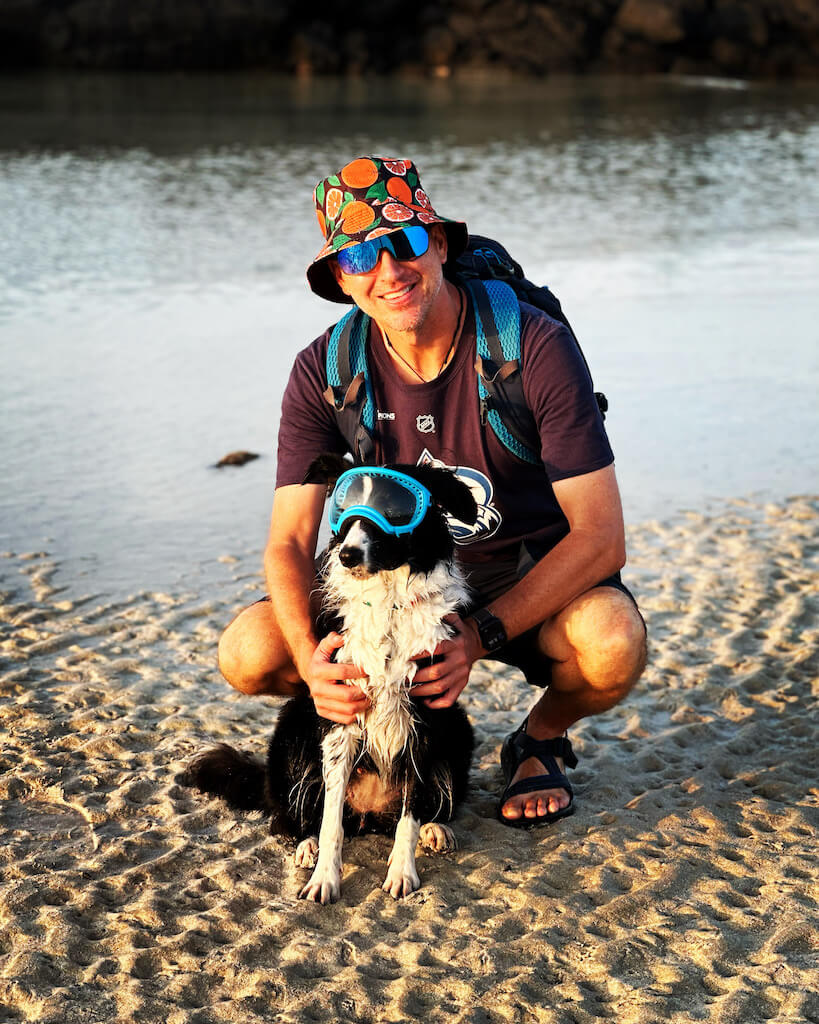
We took the ferry to Jeju Island from Wando with our car and our dog, and while it wasn’t the simplest way to get there, it ended up being the right call for this trip.
Flying is still the fastest option, but the ferry makes more sense if you’re looking for a slower, more flexible way to travel, especially if you’re bringing a car or a pet.
This guide covers how the ferry works, which routes to look at, and the easiest way to book tickets as a foreign traveler.
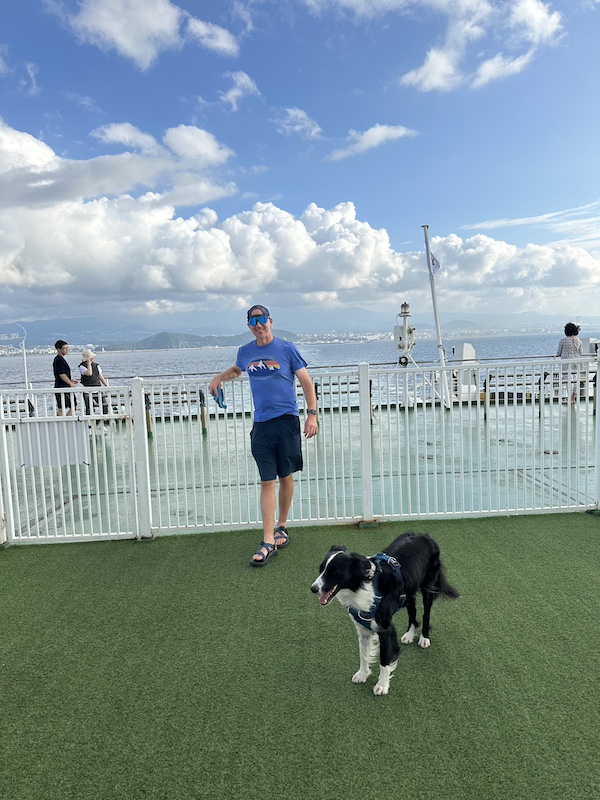
Should You Take the Ferry to Jeju?
Flying is the fastest way to get to Jeju. Most people do it, and for a short trip, it’s hard to argue against.
The ferry takes more time and a bit more planning, but it starts to make sense depending on how you’re traveling.
We chose the ferry because we were bringing our car and our dog, which made the decision pretty straightforward. Having our own car gave us more flexibility once we arrived, and bringing Winnie along saved us the hassle and cost of arranging care for her back home.
Even without a car or pet, the ferry is still worth considering if you’re not in a rush. It’s a slower way to travel, but that’s part of the appeal. You avoid the airport routine, bring more with you if needed, and get a different start to the trip.
If you’re short on time, fly. If you’ve got a bit more flexibility, the ferry is a solid option.
👉 Check ferry schedules and availability on Klook
Best Ferry Routes to Jeju
Not all ferry routes to Jeju are equal, and availability changes over time. Some older routes (like Busan or Incheon) aren’t running anymore, and others can be difficult to book if you don’t read Korean.
If you’re booking as a foreign traveler, the easiest options are the ones available through Klook.
Wando to Jeju (Most Practical Option)
This is the route we took, and it’s the one I’d recommend for most people.
- ~2 hours 40 minutes
- most frequent departures
- straightforward booking through Klook
It’s also the best option if you’re bringing a car. The port is set up for it, and the process is relatively smooth once you arrive.
The downside is location. Wando is a bit out of the way, especially if you’re not already in the southern part of the country. For us, driving down from Daegu took a few hours, and the departure time wasn’t exactly convenient.
Still, once we factored everything in, it made the most sense for how we were traveling.
👉 Check Wando to Jeju ferry schedules on Klook
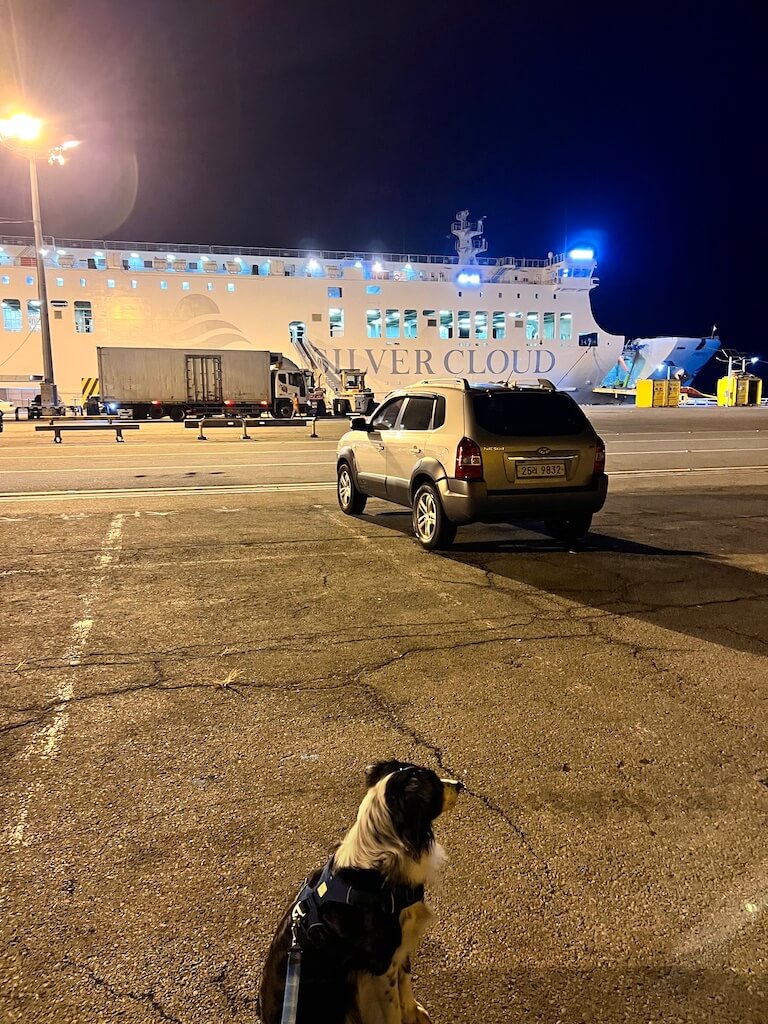
Mokpo to Jeju (Easier Access Alternative)
Mokpo is a more accessible port and may be the better option depending on where you’re starting.
- similar pricing
- comparable travel time
- easier to reach by train or bus
👉 Check Mokpo to Jeju ferry availability on Klook
What About Other Routes?
There are a few other routes (like Yeosu or Nokdong), but they tend to be:
- less frequent
- longer
- harder to book in English
If you’re trying to keep things simple, Wando and Mokpo are the two that make the most sense.
Which One Should You Choose?
If you’re bringing a car or following a similar route to what we did, go with Wando.
If you’re traveling without a car and want something easier to reach, Mokpo is probably the better choice.
Either way, I’d book ahead. These routes can fill up, and booking through Klook avoids dealing with Korean-language ferry sites.
How to Book Jeju Ferry Tickets
Booking ferry tickets to Jeju isn’t difficult, but it can get a bit frustrating if you end up on the wrong site.
There are two ways to do it.
Booking with Klook (Best Option for Most Travelers)
If you’re traveling without a car or pet, this is the easiest way to book your tickets.
Klook handles everything in English, and the process is straightforward:
- browse schedules
- choose your time
- book instantly
- show your ticket on your phone
No navigating Korean ferry websites, no payment issues, no guesswork.
This is what I’d recommend for most people.
👉 Book your Jeju ferry tickets on Klook
Booking Directly (For Cars or Pets)
If you’re bringing a car or a pet, you may need to book directly through the ferry operator.
That’s what we did for this trip.
The process works, but it’s not nearly as smooth:
- Korean-language sites
- limited payment options
- more steps involved
It’s manageable, just not as convenient.
If you don’t need to bring a car or pet, I wouldn’t bother with it.
When to Book
Don’t wait until the last minute.
Ferries can fill up, especially on weekends or holidays. Booking a few days ahead is usually enough, but if you’re traveling during a busy period, it’s worth locking it in earlier.
What the Ferry Experience Is Like
Once you arrive at the port, the process feels a bit like a stripped-down airport.
You’ll check in at the counter, get your ticket or wristband, and wait in a seating area until boarding starts. When it’s time, people line up and move pretty quickly, even if you don’t speak Korean. It’s easy enough to follow along.
Seating and Sleeping
What you get onboard depends on your ticket, but most ferries have a mix of:
- airline-style seating
- open floor sleeping areas
- private cabins
For a shorter route like Wando or Mokpo, most people just grab a seat or find some space to stretch out.
We booked a pet room, which doubled as a place to sit and lie down during the trip. It wasn’t anything fancy, but it was comfortable enough for a few hours.
If you’re on a longer or overnight route, a private cabin might be worth it. For the shorter crossings, it’s probably not necessary.
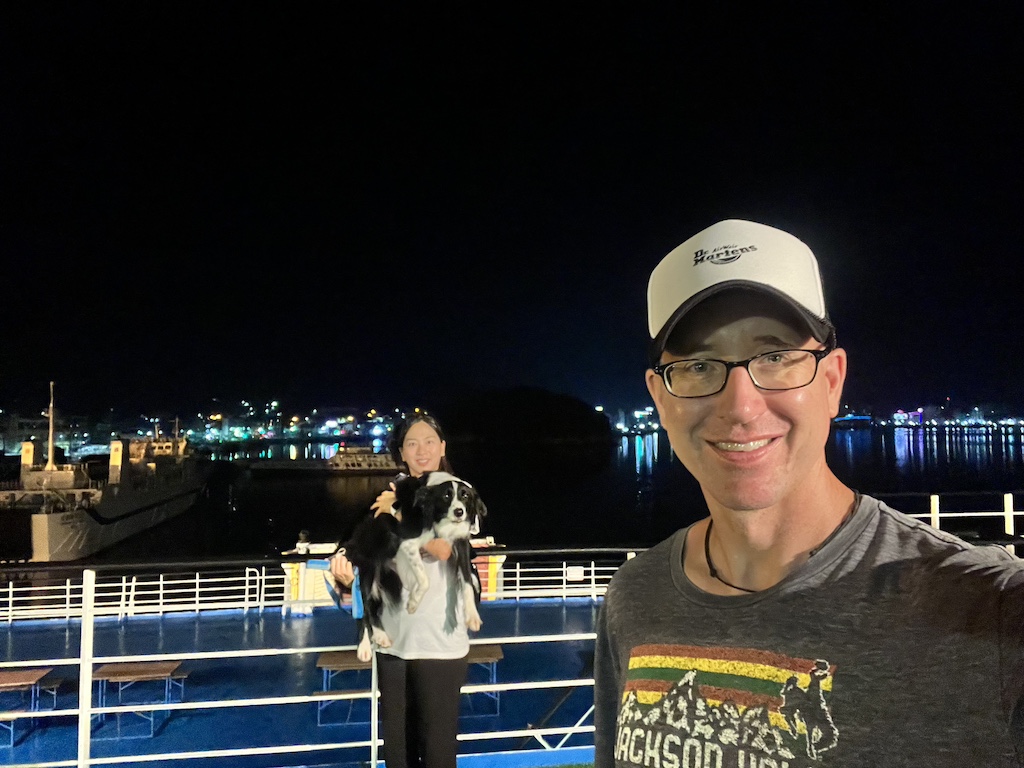
Food and Amenities
Don’t expect much, but you won’t go hungry.
Our ferry had a small convenience store onboard. Think instant ramen, snacks, drinks, and the usual mix of beer and soju. It did the job.
Some ferries have restaurants or other extras, but I didn’t go out of my way to look for them.
Outdoor Deck
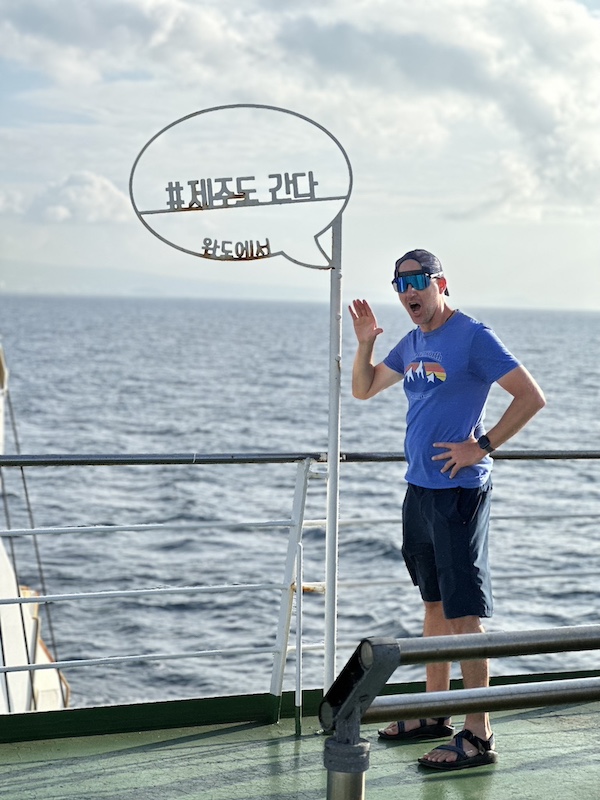
If the weather cooperates, it’s worth stepping outside for a bit.
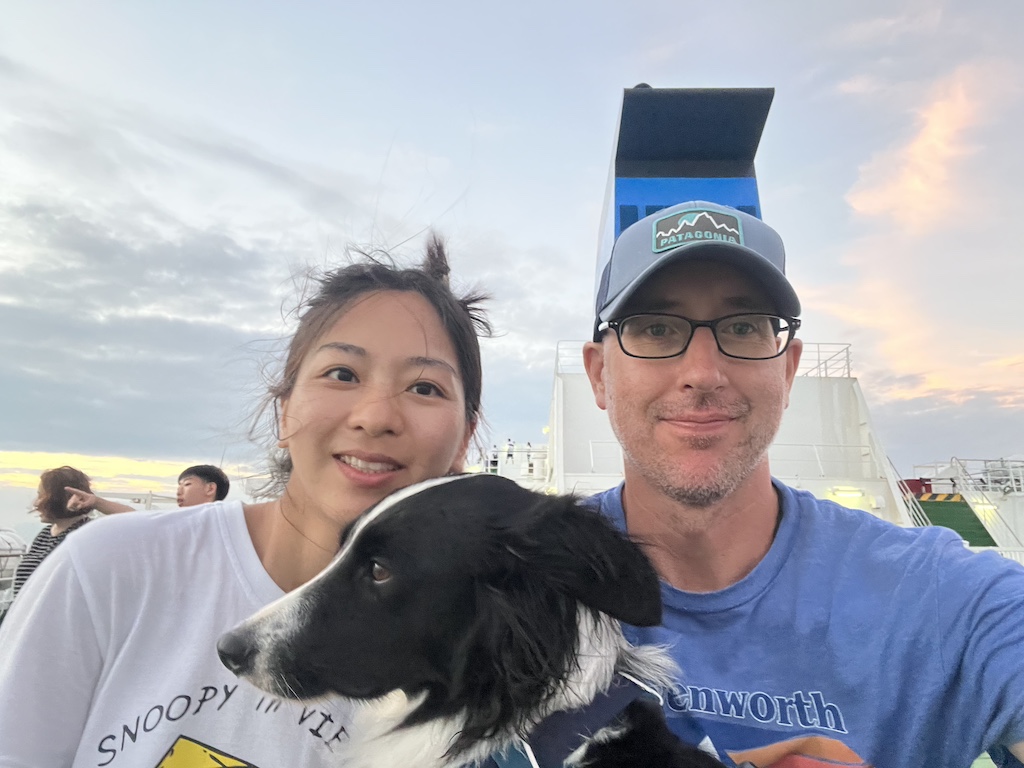
There’s usually an open deck where you can get some air and take in the views. It gets windy, but it’s a nice break from sitting inside.
Traveling with a Dog
If you’re deciding between flying and taking the ferry with a dog, the ferry is a much easier experience overall. No cargo hold, no airline restrictions, and your dog stays with you the entire time.
We brought Winnie, and while there are a few rules to follow, the process was pretty manageable.
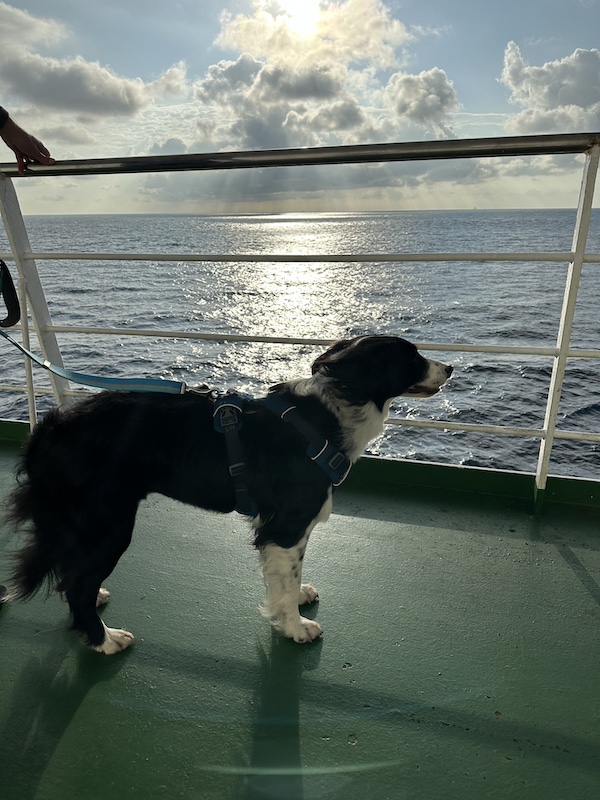
What You Need to Know
There are a few requirements, and they’re enforced:
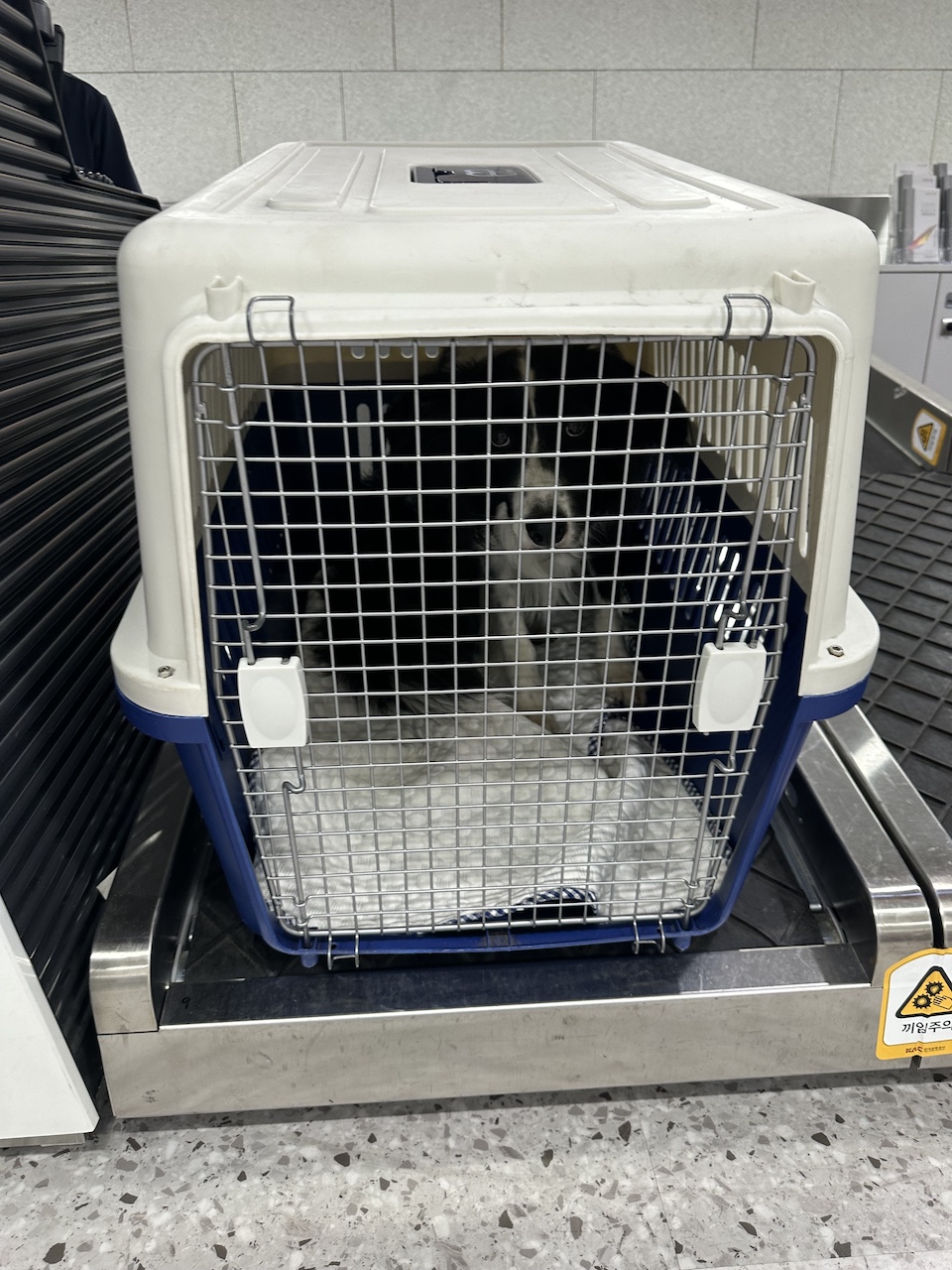
- a hard-sided carrier is required for boarding
- dogs must be leashed
- medium and large dogs may need a muzzle during boarding
The carrier rule is the big one. You won’t be allowed to board without it.
We brought a full kennel for Winnie, which wasn’t exactly fun to carry around, but it got the job done.
Pet Rooms
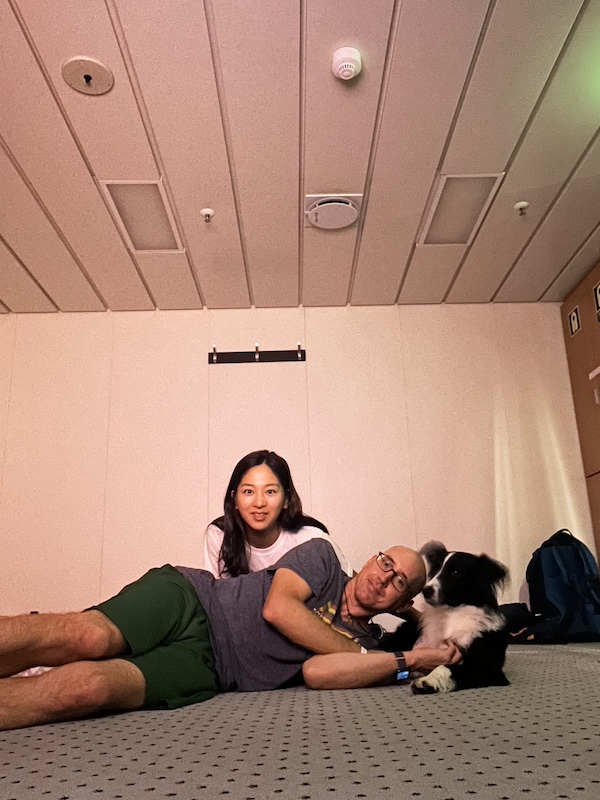
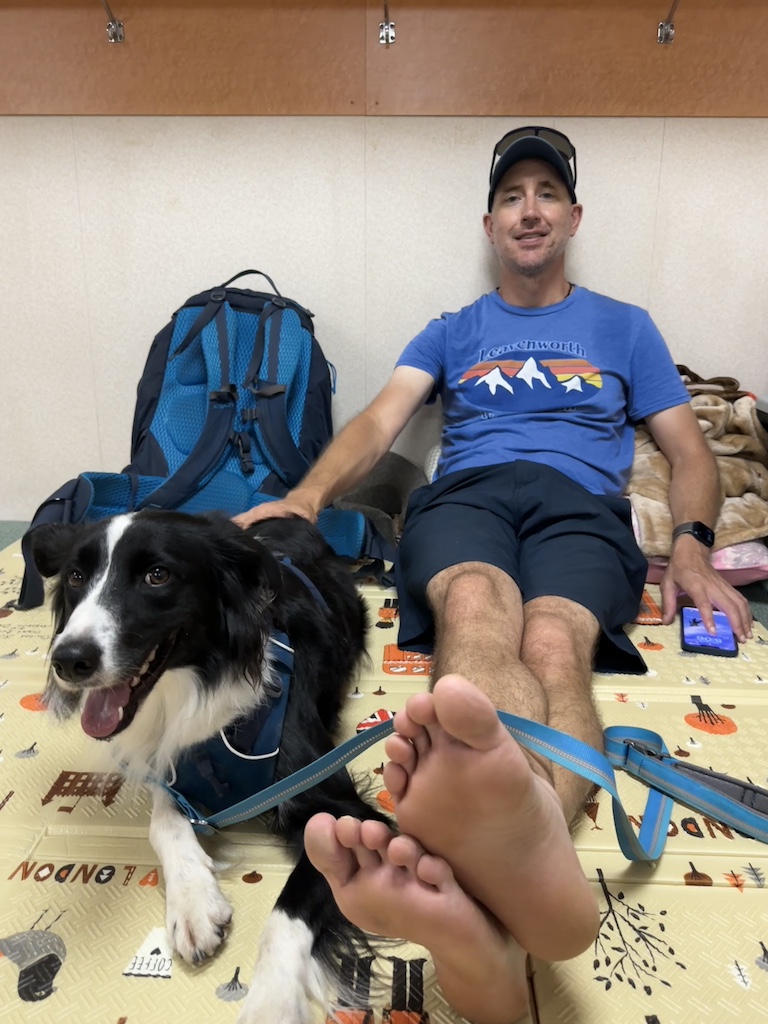
We booked a pet-friendly room, which is basically a shared open space for passengers traveling with dogs.
On the way to Jeju, we had the room to ourselves. On the return trip, there were a few other dogs, but it never felt crowded.
It’s not a private cabin, but it gives you space to sit, lie down, and keep your dog close during the trip.
During the Trip
Once you’re onboard, things relax a bit.
The muzzle rule is mainly enforced during boarding. After that, we found that just having it on hand was usually enough.
There was also access to the outdoor deck, which made a big difference. Getting outside for some air helped break up the trip for both us and Winnie.
Bottom Line
If you’re traveling with a dog, the ferry is easily the better option.
It takes a bit more planning upfront, but the experience itself is far less stressful than flying.
Bringing Your Own Car
This was the main reason we chose the ferry.
Having our own car on Jeju made everything easier. No rental process, no schedules to work around, and a lot more flexibility once we got there.
Why Bring Your Car?
For us, it came down to convenience.
- easier with luggage
- easier with a dog
- no need to rent a car on arrival
Jeju is best explored by car, and bringing your own just simplifies the whole trip.
Boarding with a Car
The process is pretty straightforward, but it does take a bit of planning.
- arrive early (at least 1–1.5 hours before departure)
- check in at the terminal
- follow staff instructions to drive onto the ferry
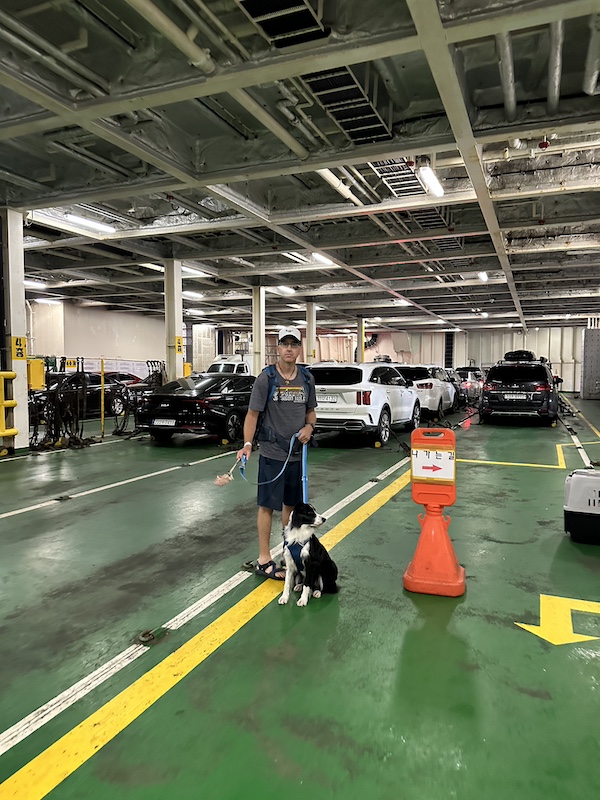
Only the driver takes the car onboard. Other passengers board separately.
Once the car is parked, you won’t have access to it during the trip, so make sure you bring everything you need with you before heading upstairs.
Small Tip (Learned the Hard Way)
Take a photo of where you parked.
There are multiple levels, and it’s surprisingly easy to forget where your car is, especially after a long trip.
Bottom Line
If you already have a car in Korea, bringing it to Jeju is a great option.
It adds a bit of effort on the front end, but once you arrive, it makes the rest of the trip a lot easier.
Arrival Tips
Ferry arrival times aren’t always ideal.
We got into Jeju early in the morning, well before check-in anywhere was even an option.
If you’re arriving early, it’s worth thinking through what you’ll do with that time.
- grab a coffee and ease into the day
- head straight to a nearby stop or viewpoint
- or just plan to take it slow until things open up
Having a car made this easier for us. Without one, you’ll want to have a rough plan so you’re not stuck waiting around with your bags.
Ferry vs Flight (Final Call)
If you’re short on time, flying is the obvious choice.
It’s faster, simpler, and usually the better option for a quick trip.
The ferry takes more effort. You have to get to the port, work around departure times, and plan things a bit more carefully. It’s not the most convenient way to get to Jeju.
But depending on how you’re traveling, it can still be the better option.
For us, bringing our car and our dog made the decision easy. Once we arrived, having that flexibility made the rest of the trip smoother.
Even without that, there’s something to be said for slowing things down a bit. Skipping the airport routine, taking in the ride, and starting the trip a little differently.
If that sounds appealing, the ferry is worth it.
👉 Check ferry schedules and book your tickets on Klook
Jeju Island Ferry Travel FAQs
Is taking the ferry to Jeju Island worth it?
It depends on how you’re traveling. If you’re short on time, flying is easier. If you’re bringing a car, traveling with a pet, or prefer a slower start to the trip, the ferry is a solid option.
What is the best ferry route to Jeju Island?
The Wando to Jeju route is the most popular. It’s the fastest, runs frequently, and is easy to book in English. Mokpo is a good alternative if it’s more convenient to reach.
Can foreigners book Jeju ferry tickets in English?
Yes. The easiest way is through Klook, which offers English booking, clear schedules, and mobile tickets. Booking directly through Korean ferry sites can be more complicated.
How long does the ferry to Jeju take?
It depends on the route. Wando to Jeju takes about 2 hours and 40 minutes, while Mokpo is similar. Other routes can take significantly longer.
Can you bring a car on the Jeju ferry?
Yes. You can bring your own car, which is one of the biggest advantages of taking the ferry. You’ll need to book directly with the ferry operator and arrive early for boarding.
Can you bring a dog on the ferry to Jeju?
Yes. Pets are allowed, but you’ll need a hard-sided carrier and may need to book a pet-friendly room. For many travelers, the ferry is much easier than flying with a dog.