Planning a ski trip to Hokkaido? This guide breaks down a 5–7 day itinerary based on what I’ve learned across multiple trips, including my most recent route through Niseko and Rusutsu, what worked, and what I’d do again.
Hokkaido’s reputation for consistent powder is well-earned. Even with bigger crowds than when I first visited, it still delivers the kind of snow that’s been drawing powder skiers here for years
My first trip here was in 2014. I went solo, took the train from Sapporo, and stayed in a backpacker hostel.
The most recent trip looked very different. My brother and a friend flew in, we rented a car, stayed in an Airbnb, and with a higher combined budget, had a lot more flexibility and comfort than my first time around.
Both trips were great, just in very different ways. But if I were planning it again, I’d follow the second approach without hesitation.
If you’re putting together your first Japow trip or coming back with a bit more experience, this is how I’d structure a 5–7 day visit now.
Getting to Hokkaido
Getting to Hokkaido is straightforward. Most international routes connect through Tokyo or Osaka before continuing on to New Chitose Airport (CTS), which is the main gateway for Niseko and Rusutsu.
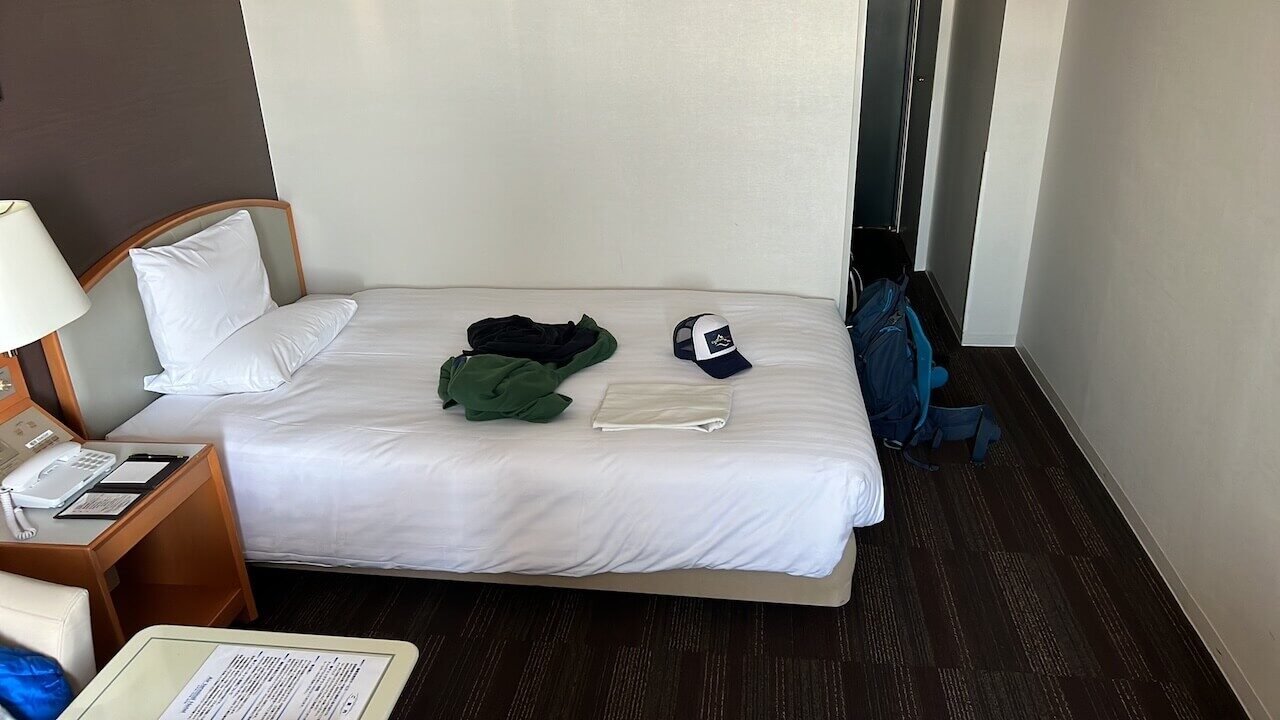
For our trip, we all flew into CTS from different places and met there. Since everyone was arriving later in the day, we booked one night at the Airport Terminal Hotel inside the airport instead of trying to drive straight to the resort.
It made the first day a lot easier. We got some rest, regrouped, and headed out early the next morning.
Renting a Car in Hokkaido
On this trip, we rented a car directly from New Chitose Airport, and I’d recommend it if you’re planning to ski both Niseko and Rusutsu.
Driving in Hokkaido is manageable, even in winter. Roads are generally well maintained, traffic is light outside the cities, and rental cars come equipped with snow tires.
There’s still an adjustment if you’re not used to driving on the left. The roads can feel narrow, especially with snow piled along the sides, so it takes a bit of time to get comfortable.
You’ll also need an International Driving Permit (IDP). I got mine easily in Korea, and in the U.S. you can pick one up through AAA. I told my brother to do that ahead of the trip. He didn’t, which meant I ended up driving the entire time.
If you’re renting, I’d go with an AWD or 4WD vehicle with enough space for gear. We had a Nissan X-Trail, which handled well and had plenty of room.
I booked through EconomyBookings without any issues, and DiscoverCars is another good option I recommend to compare availability and pricing.
🎥 Packing Up the Rental Car for Rusutsu
Winter Driving Notes
- Book an AWD or 4WD vehicle
- Expect narrow, snow-covered roads
- Use Google Maps
- Bring a snow brush
- Don’t forget your IDP
Train + Shuttle Alternative
If you’re not renting a car, public transport works fine, especially if you’re staying in one place.
From New Chitose Airport, you can take a train to Kutchan Station or book a direct ski shuttle to Niseko or Rusutsu.
This is the route I took on my first trip. It works, but you’ll have less flexibility once you’re there.
👉 Browse Sapporo and Hokkaido transport options on Klook
Where to Stay in Niseko & Rusutsu
Once you know you’re going, it’s worth locking in your lodging early. Niseko fills up fast during peak season, and the better options don’t last long.
On my most recent trip, we stayed in an Airbnb just outside of central Niseko, which gave us more space, comfort, and flexibility. It also meant having a rental car.
Back in 2014, I went the opposite route with a backpacker-style stay. It was a short bus ride to the slopes, but also a cramped, communal setup that was pretty rough by comparison.
The Airbnb setup worked well for us. More space, easier with gear, and a better fit for a group. I’d go that route again if I were splitting costs with a few people.
We stayed on the Annupuri side of Niseko, which I ended up preferring over the main Hirafu base. It’s quieter, a bit more spread out, and still easy to access the lifts. There are also a few places out there that include meals and have onsite onsens, which can make a big difference after a long ski day.
If you’re looking for a full-home setup, VRBO is worth checking. Just pay attention to location. Some places are walkable to lifts or restaurants, while others will require a car.
Niseko Lodging
Luxury Picks
If you’re going all in, Niseko has plenty of high-end options with ski-in/ski-out access and full-service amenities.
Mid-Range
If you want comfort without going overboard, these are solid options.
Budget Options
There are still a few hostel-style and lodge options around if you’re keeping costs down.
Rusutsu Lodging
Rusutsu is smaller and more contained, so your options are a bit more limited.
The Westin is the most convenient setup. Ski-in/ski-out, everything in one place, and easy logistics. It’s not cheap, and most packages don’t include meals, which is something to keep in mind.
If you want something with a bit more flexibility, places like The Vale Rusutsu offer apartment-style stays with kitchens and breakfast included. It’s a different setup, but a good option if you don’t want to rely entirely on resort dining.
There are also some cabin-style rentals in the area that work well for groups, especially if you have a car.
A Quick Note on Location
Some properties, especially rentals, aren’t right in town. That’s not necessarily a problem, but it does change how you get around.
Many hotels offer shuttle service to the lifts, but most Airbnbs and private rentals don’t. If you’re staying outside the main areas, having a car makes things a lot easier.
One Thing to Plan Ahead For
One thing that stood out on this trip was how much planning meals actually took.
A lot of restaurants in Niseko book out in advance, especially during peak season. If you’re not planning ahead, it can be harder than expected to just walk in somewhere.
Because of that, having meals included or access to a kitchen ended up being more useful than I expected.
We ended up using sites like TableCheck to try and lock in reservations ahead of time, along with just checking Google Maps and seeing what was available nearby.
🎿 Gear Rentals, Lift Passes & Lessons
If you’re not bringing your own gear to Japan, don’t worry, there are solid options for renting high-quality skis and boards, especially in Niseko. I’ve used Rhythm Japan on two separate trips and wouldn’t hesitate to recommend them.
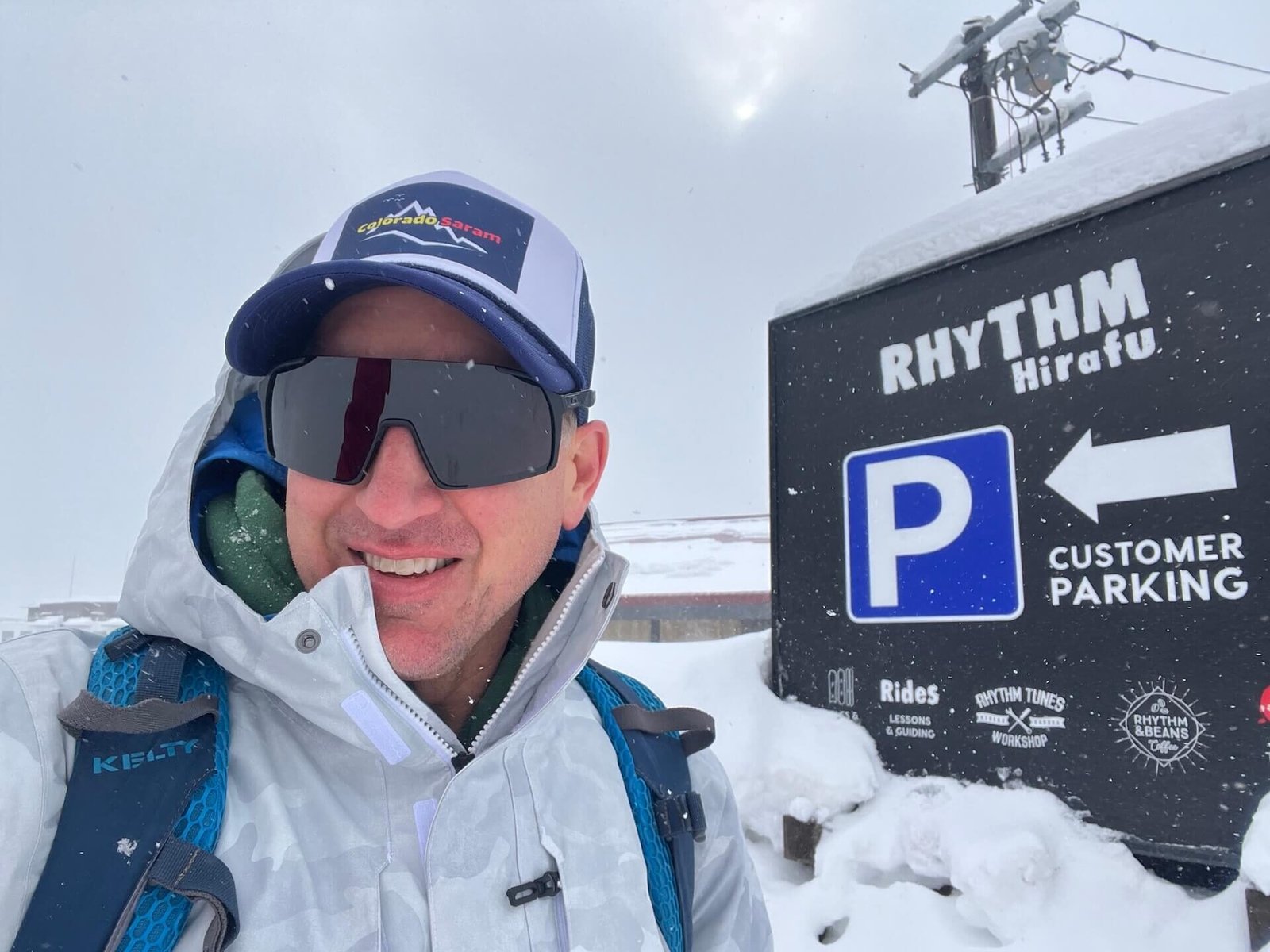
On my 2014 visit, I rented a pair of K2 Pontoons (my powder skis of choice back in Colorado) and had such a smooth experience that I went back to Rhythm again in 2025. This time, I pre-booked online through Rhythm Japan’s official site and picked up my gear at their Hirafu flagship location, just a short walk from the lifts.
If you’d like to support this blog, you can make the same booking via Klook at no extra cost and you’ll still get access to Rhythm’s top-tier rental gear, and it helps me keep the content going.
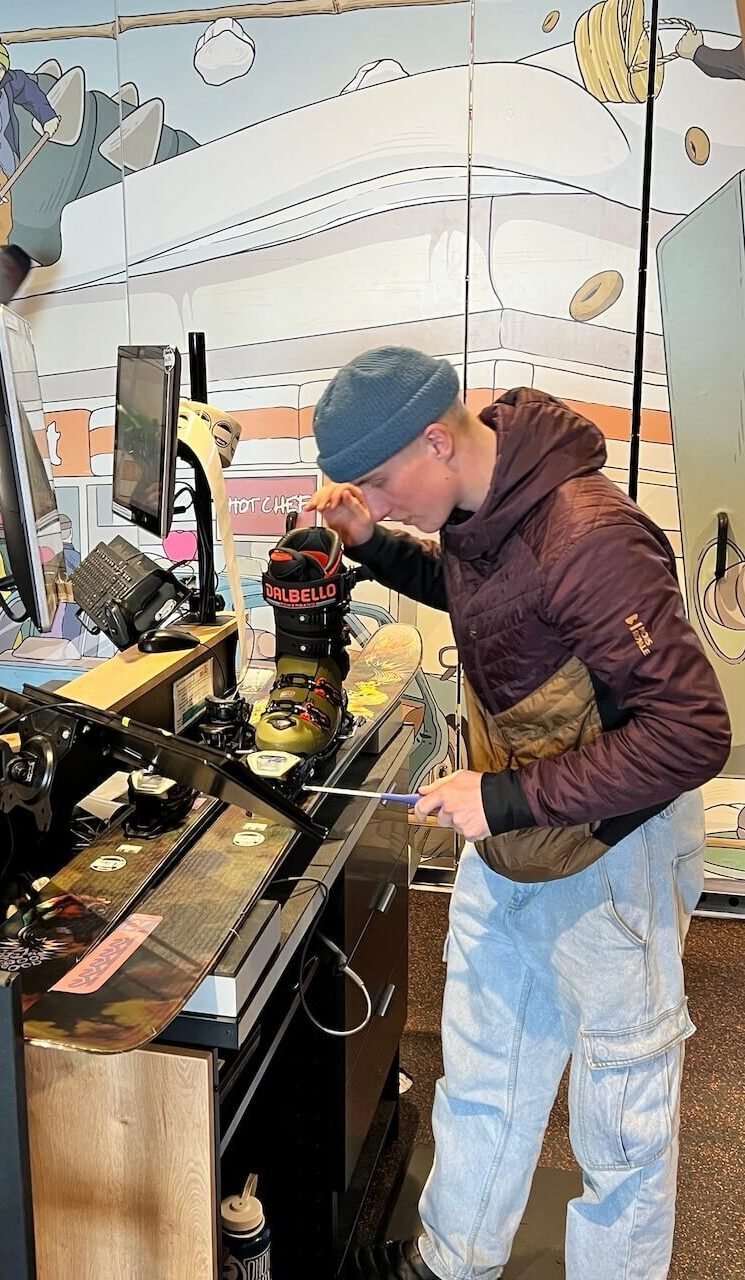
They set me up with K2 Reckoner powder skis, and the whole process was seamless: high-quality boots and poles, friendly techs, and the option to swap skis if I wanted to (which I didn’t). I also kept the gear an extra day, which was no problem. While I went with their premium powder setup, Rhythm has rental options for all levels of skiers and snowboarders. It’s the go-to shop in Niseko for a reason.
If you’re chasing Japow, I do recommend going with powder-specific skis, especially if you’re an experienced skier. Standard rentals can still handle soft snow, but wide, rocker-heavy boards like the Reckoners really shine when it gets deep.
That said, powder skis aren’t always the easiest to turn on groomers, so make sure you’re comfortable with them. Rhythm makes this easier with their unlimited gear swap policy, which lets you switch skis or snowboards based on conditions. If you’re renting from the Premium lineup, they’ll even re-wax your gear to match changing snow temps. Just keep in mind that specific models aren’t always guaranteed, depending on availability.
Note: Rhythm doesn’t have a Rusutsu drop-off location, so we returned our gear in Niseko before heading to Sapporo. Not a huge deal, and it gave us a good excuse to grab burgers at Patty Daddy on the way out of town (highly recommended).
🎫 Lift Passes: Ikon, Epic, and Online Options
My brother and I bought our lift passes directly through each resort’s online portal, which is what I recommend for most travelers. It’s cheaper than buying in person, and the process is simple. Just purchase ahead of time and pick up your pass at the automated kiosk at the base of each resort.
If you have an Epic Pass, you’re in luck as Rusutsu is included as an Epic partner resort (check current limits and blackout dates). One of our group used his Epic Pass for both Rusutsu days with no issues.
The Ikon Pass also works at Niseko United, but access may be limited to 5–7 days depending on your pass type. Be sure to check your pass portal before booking anything.
📌 Heads-up for 2025/26: There’s talk of Japan introducing tiered pricing for attractions and lift tickets, possibly charging different rates for locals vs international visitors. I haven’t seen this implemented for lift passes yet, but it’s something to keep an eye on.
🚆 Lift Pass + Transport Packages
If you’re not renting a car, Klook offers bundled lift pass + ski bus packages that are worth looking into, especially if you’re coming from Sapporo or CTS.
You can also browse all of Klook’s Hokkaido Transport Options here — includes lift pass bundles, JR rail passes, and airport transfers.
🎓 Where can you book ski and snowboard lessons in Niseko?
I did not take lessons in Niseko myself, but I get a lot of questions from readers who are brand new to snow. The easiest place I have found to start is Klook because it pulls multiple English friendly Niseko ski and snowboard schools into one place.
👉 You can browse various English language booking options here: Klook Niseko Ski Lesson Search Page
It lets you compare group or private lessons, pricing, meeting points, and availability. It is especially useful for seeing who still has spots during peak holiday weeks.
If you want a simple, beginner friendly option, look at: Klook’s top choice: Beginner Ski or Snowboard Package at Grand Hirafu.
It bundles a lesson, full gear rental, and a lift pass, so it works well for first timers or families who want everything handled in one booking.
Whichever option you choose, read recent reviews, confirm the meeting point near your accommodation, and book early if you are visiting during Christmas, New Year, or Lunar New Year.
🗓️ Flexible 5–7 Day Hokkaido Ski Itinerary
Whether you’re flying in from overseas or already based in Asia, a 5–7 day ski trip to Hokkaido gives you enough time to chase powder, explore the region’s culture, and still walk away on two legs.
This isn’t a strict “Day 1 to Day 7” schedule, but more of a flexible framework based on my own trip. I recommend using it as a planning guide, not a strict playbook.
🎥 Watch: Driving to Niseko in a Blizzard + Trip Highlights
Before diving into the full 5–7 day Hokkaido ski itinerary, here’s a quick video highlight reel from my own 2025 trip including a white-knuckle drive to Niseko and plenty of Japow turns.
✈️ Arrival & Day 1: Touchdown + Warm Up Ski Laps
If your flight lands early enough, it’s totally possible to squeeze in a half-day on the mountain. But if you’re coming from overseas, you might want to spend your first night in Sapporo and head up to the resort the next morning. The drive from New Chitose Airport (CTS) to Niseko takes about 1 hour and 45 minutes, depending on weather and stops.
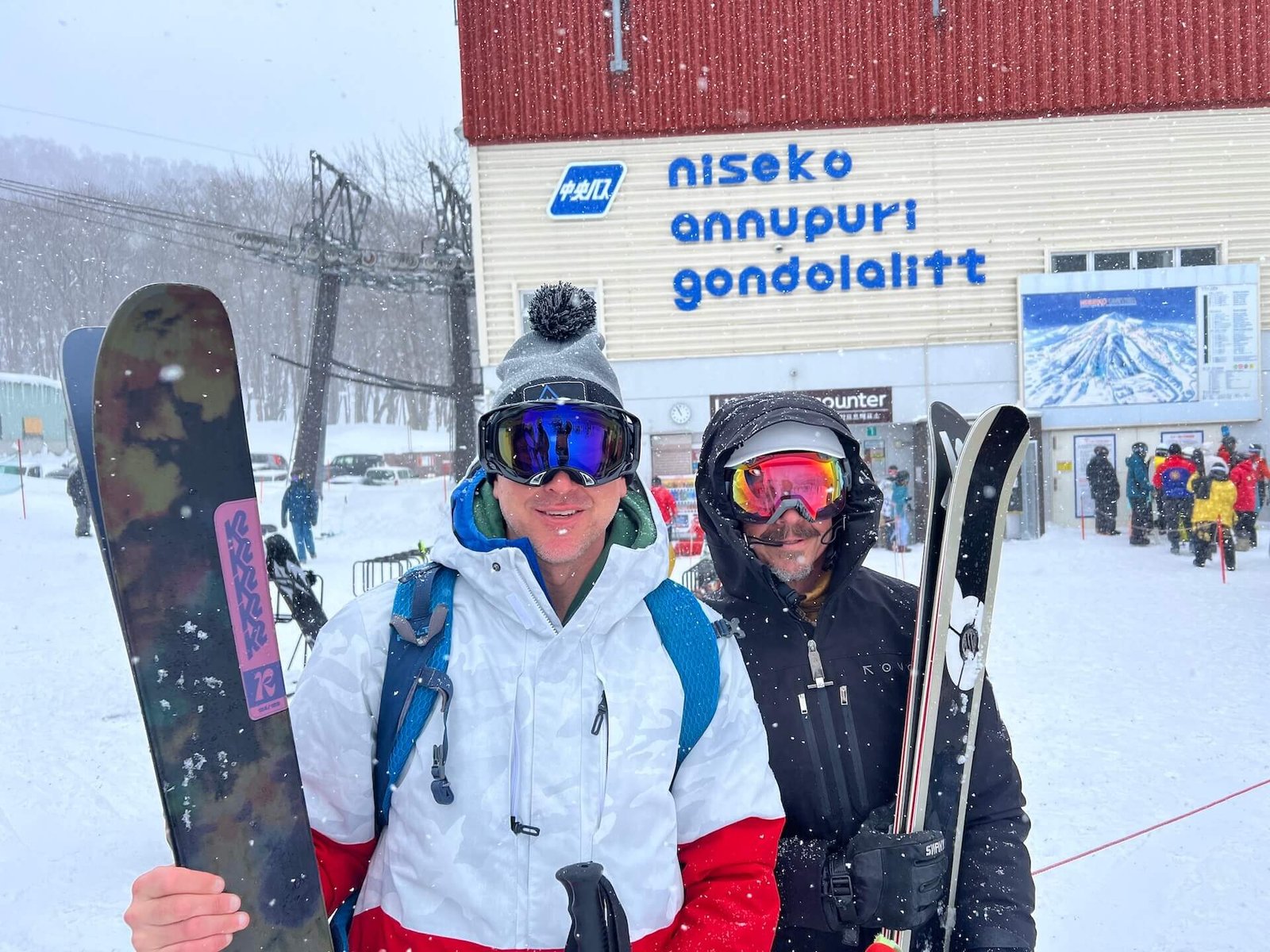
For our February 2025 trip, we all arrived separately at CTS and met up at the Air Terminal Hotel located right inside the terminal. It was an easy meetup after a long travel day. I flew in from South Korea, where I live, while my brother and his friend traveled from Denver. Staying at the airport let us skip city traffic and hit the road early the next morning.
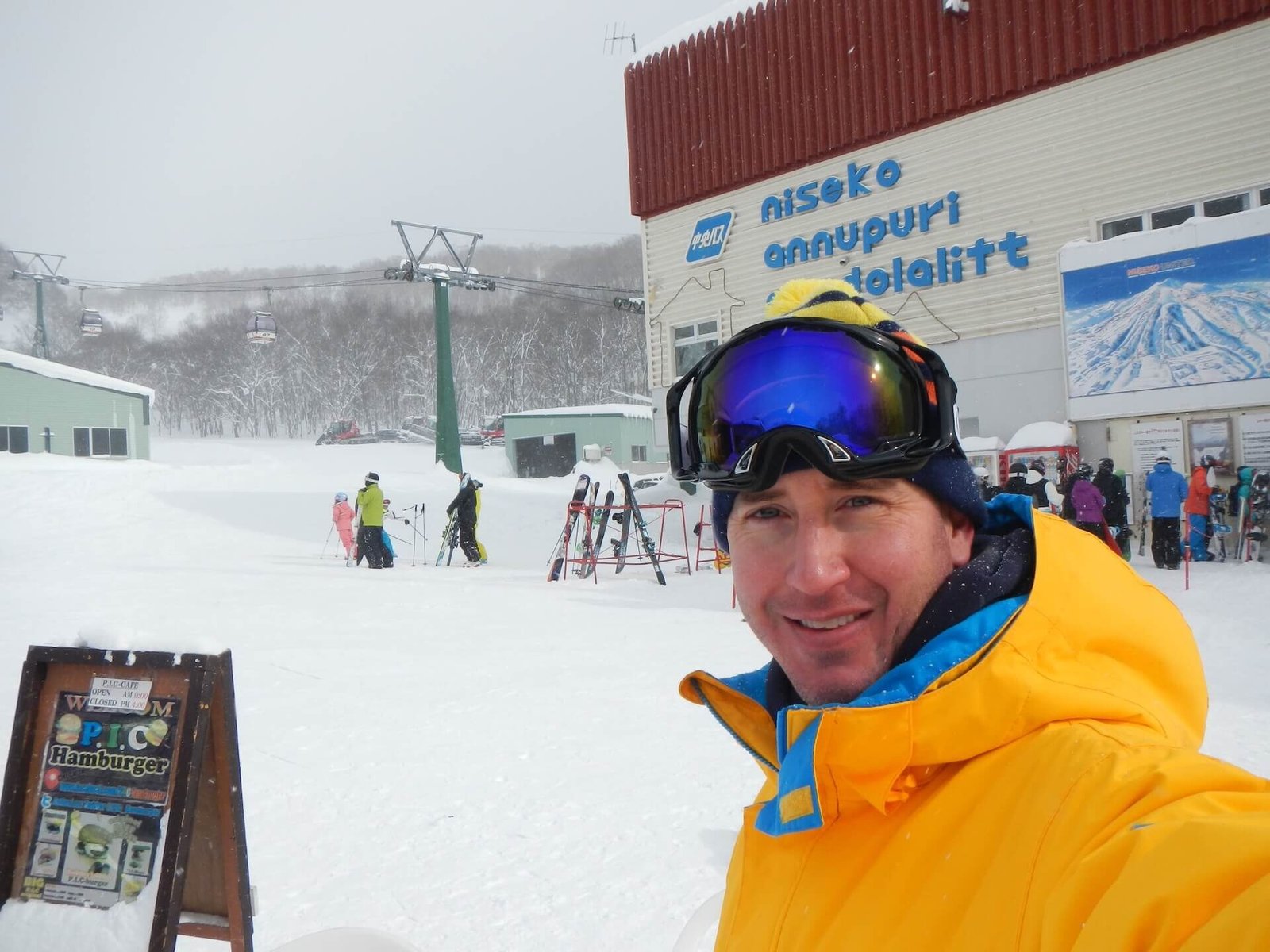
We arrived in Niseko around midday, just as I was getting the hang of driving through a Japanese blizzard on the opposite side of the road. While I picked up my ski rentals from Rhythm Japan at the base of Hirafu, my brother and his friend squeezed in a few warm-up laps. I joined them after their first run and a beer in the lodge.
Only Hirafu was open due to wind, but heavy snowfall made for a perfect intro to the Japow experience. Once we’d had our fill for the afternoon, we loaded up the car and drove to our AirBnB on the Annupuri side of town.
Pro Tip: If you’re skiing on arrival day, consider buying a shorter 5-hour lift pass. It’s available at both Niseko and Rusutsu and can save you a bit of cash if you’re not planning to ski a full day.
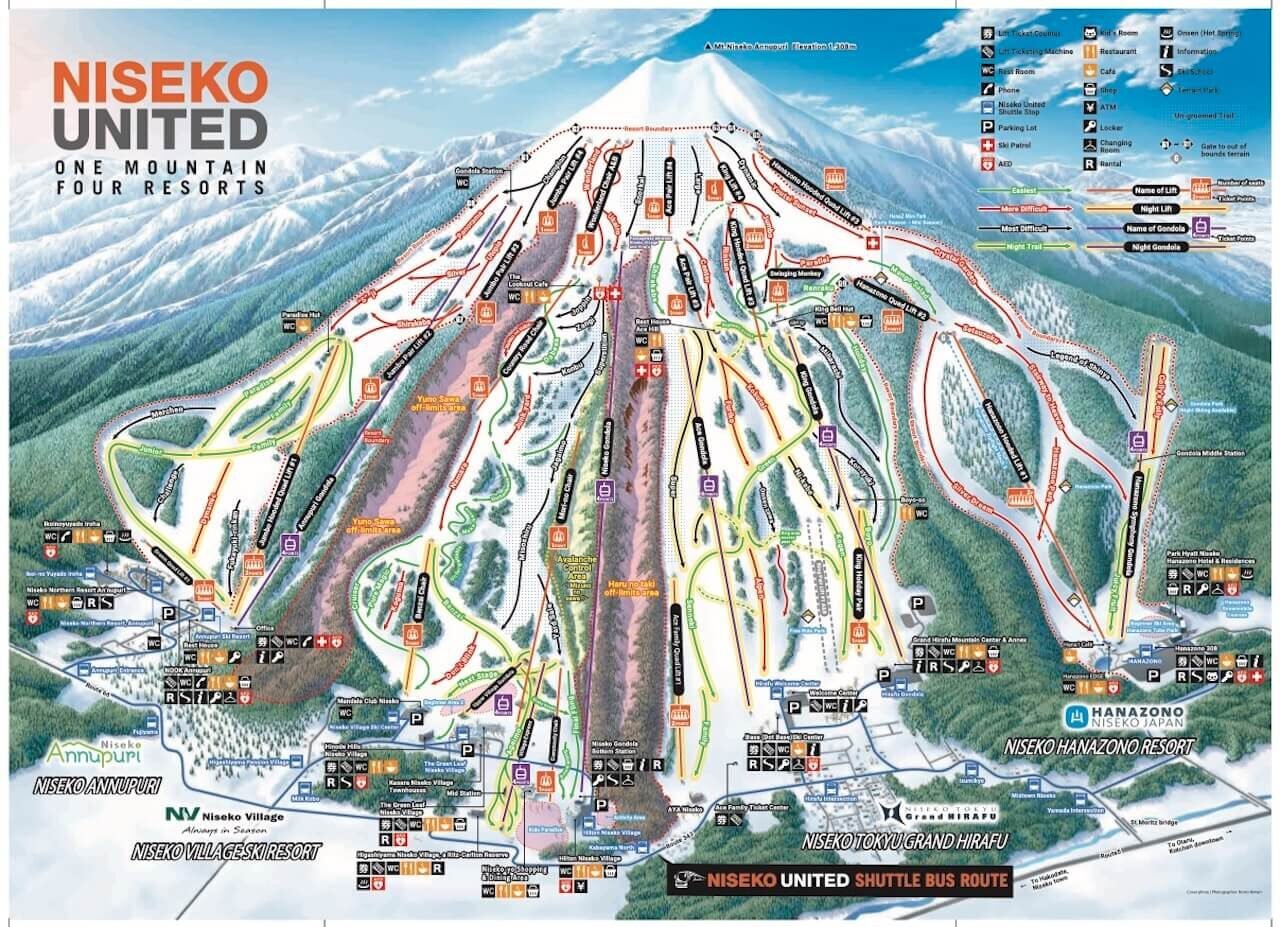
📍 Niseko United Trail Map
If you’re new to Niseko, here’s a look at the full mountain layout. Hirafu is the most developed base area, but Niseko United includes four connected resorts: Hirafu, Hanazono, Niseko Village, and Annapuri.
🎿 Days 2–6: Flex Days Based on Conditions
If you took my advice and rented a car, I recommend keeping your ski plans flexible for the bulk of your trip. Weather patterns can vary quite a bit between Niseko and Rusutsu, even though they’re only about 20 minutes apart. Use a weather app like Apple Weather or check Snow-Forecast.com for daily updates.
We ended up skiing three days at Niseko and two at Rusutsu. Each evening, we made tentative plans and then adjusted in the morning based on fresh snowfall, visibility, and which lifts were spinning. That kind of flexibility is one of the biggest advantages of having your own wheels.
Storm-Chasing Tip: Talk to locals. Ski techs, bartenders, or even your Airbnb host can be great resources. My contact at Rhythm Japan gave me a ton of real-time tips over WhatsApp. Absolute legend.
📍 Rusutsu Trail Map
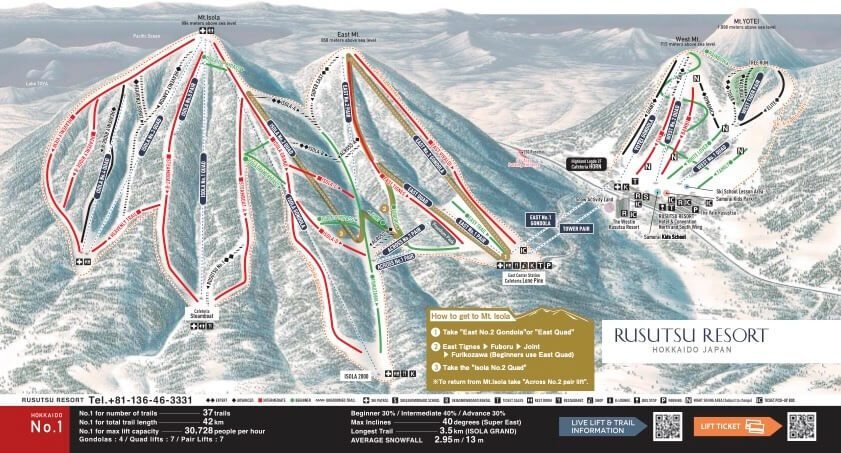
If you’re not familiar with Rusutsu’s layout, it’s worth taking a look at the trail map to get your bearings. The resort spans three mountains and has a unique mix of terrain and lift layout. You can view the Rusutsu Trail Map below to start planning your powder laps.
♨️ Soak, Rest, Repeat: Onsen Breaks in Niseko
If you’re skiing deep powder every day, your legs are going to feel it. Even if you’re in good shape, a mid-week rest day is a smart idea whether to explore, relax, or give your gear a break.
On my first Niseko trip back in 2014, I spent one afternoon soaking in a local onsen. I don’t remember the name, but it was a simple public bathhouse right in town, popular with tourists and locals alike. After a few hard ski days, it was the perfect recovery stop, though I don’t have any pics to include as everyone’s fully nude, which is the norm at Japanese onsens unless otherwise marked.
Whether you’re after something rustic or more upscale, there are plenty of good options in and around Niseko. Many hotel-based onsens welcome day visitors even if you’re not an overnight guest. Just be sure to check the access terms when booking.
Here are a few well-regarded choices:
- Niseko Annupuri Onsen Yugokorotei – A local favorite on the Annupuri side with indoor and outdoor baths, this is a great mid-range option with traditional vibes. It’s not fancy, but it’s clean, quiet, and easy to access.
- Niseko Konbu Onsen Tsuruga Besso Moku No Sho – One of the most luxurious onsen hotels in the area, with a gorgeous modern-rustic design and multiple bath options. Worth considering for a splurge — or even just a premium day-use visit.
- Niseko Goshiki Onsen Ryokan – A bit more remote but very atmospheric, this onsen sits at a higher elevation and often gets even more snow. Great views and a cozy, old-school feel.
If you’re just looking for a simple, affordable public onsen without the resort trappings, Niseko Grand Hotel is another solid option that reportedly allows walk-ins and even offers a mixed-gender rotenburo (outdoor bath) — rare in Japan, and worth trying if you’re traveling as a couple or group.
🌃 Day 7: Wrap-Up and Sapporo City Time
Depending on your flight, you might still squeeze in a few morning laps before heading out. On our final day, we checked out of our AirBnB early, stopped at Rusutsu for a half-day session, and then hit the road.
After skiing, I drove my brother and his friend back to the Airport Terminal Hotel at CTS for their early morning flight. From there, I continued solo into Sapporo—farther than you’d expect, with the drive taking about an hour or more depending on traffic and weather.
I spent the night at the Susukino Granbell Hotel in the heart of Sapporo’s entertainment district. Susukino is a bright, busy area full of ramen shops, bars, and izakayas, and it makes for a fun night out—even solo. I grabbed dinner at a conveyor-belt sushi spot and wandered the neon-lit streets for one final dose of Japanese urban energy.
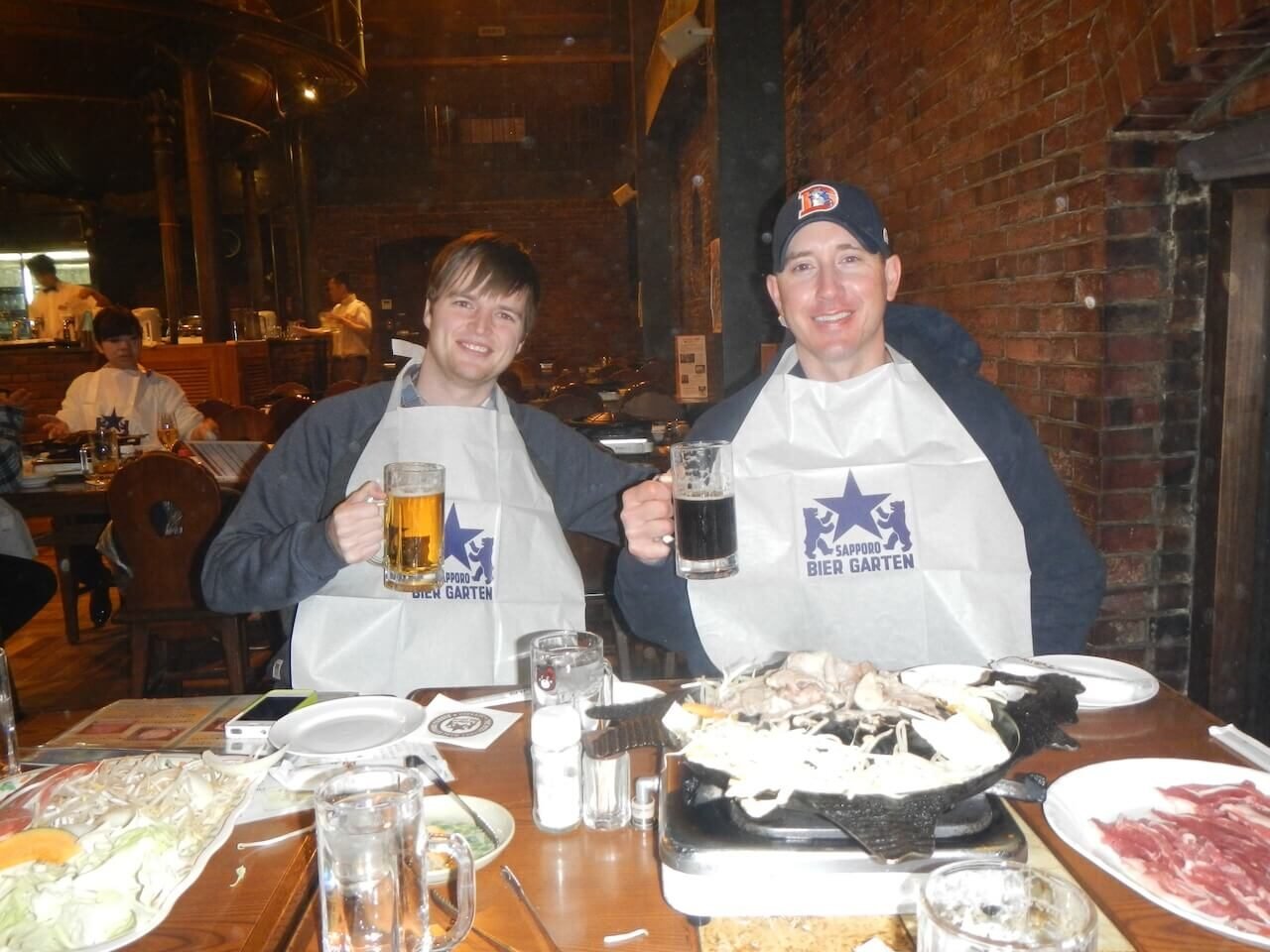
On a previous trip in 2014, I also visited the Sapporo Beer Museum and Beer Garden. You can grill Genghis Khan (lamb BBQ) at your table and enjoy fresh Sapporo Classic beer inside a beautiful red-brick building that used to be a sugar factory. It’s well worth a stop if you have time.
💸 Want a real-world look at what this trip might cost?
I break down our actual 2025 expenses including flights, gear rentals, lodging, transportation, and more to help you plan your own trip without guesswork.
👉 Get the full breakdown and other trip insights here.
🍜 What to Know About Dining in Niseko
The biggest surprise for me in 2025? Just how hard it’s become to eat out without a reservation. Back in 2014, I could walk into almost any restaurant. This time around, nearly every place used TableCheck and required advance booking—some even asking for hefty deposits.
Having lived in South Korea for the better part of 20 years, I was caught off guard by the change. My Colorado travel partners weren’t so surprised and said it’s become standard at many ski resorts back home.
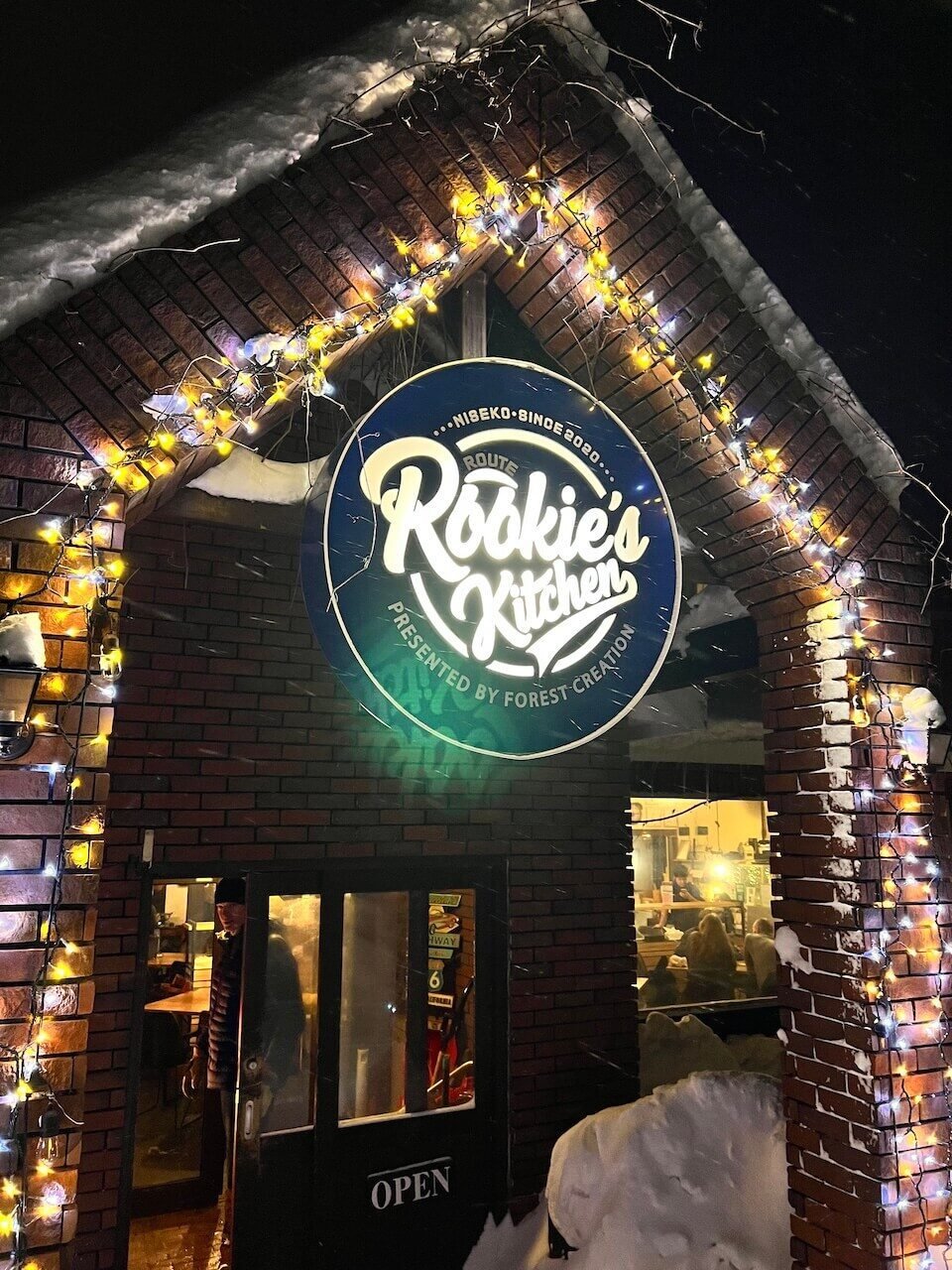
That said, we still found a few great spots. Rookies Kitchen, near our Airbnb, didn’t require a reservation and served solid shabu-shabu in a laid-back atmosphere. We also enjoyed Gate Zero, a craft brewpub at the base of Annupuri, run by a friendly, English-speaking local. Good food, good beers, and good vibes.
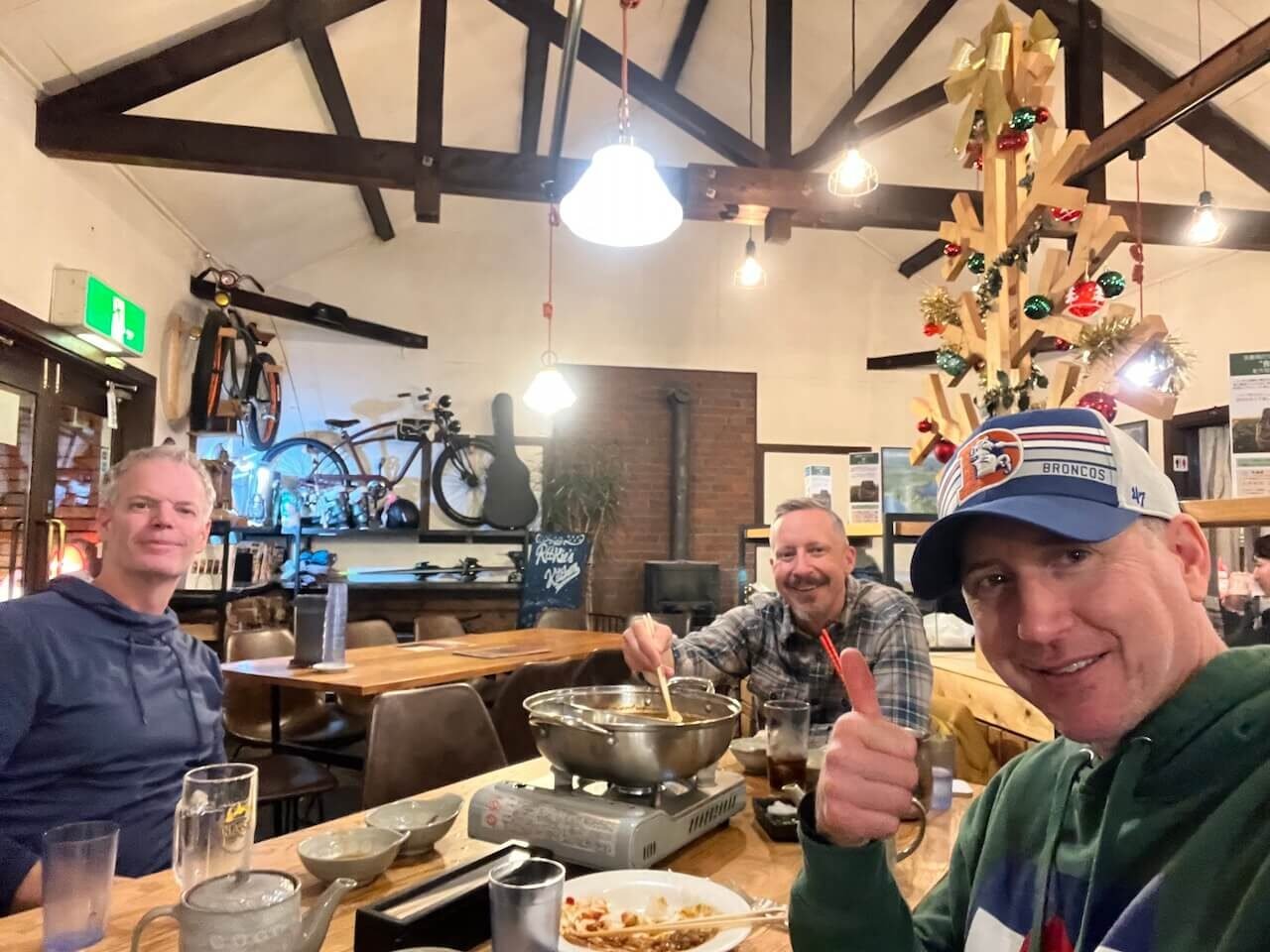
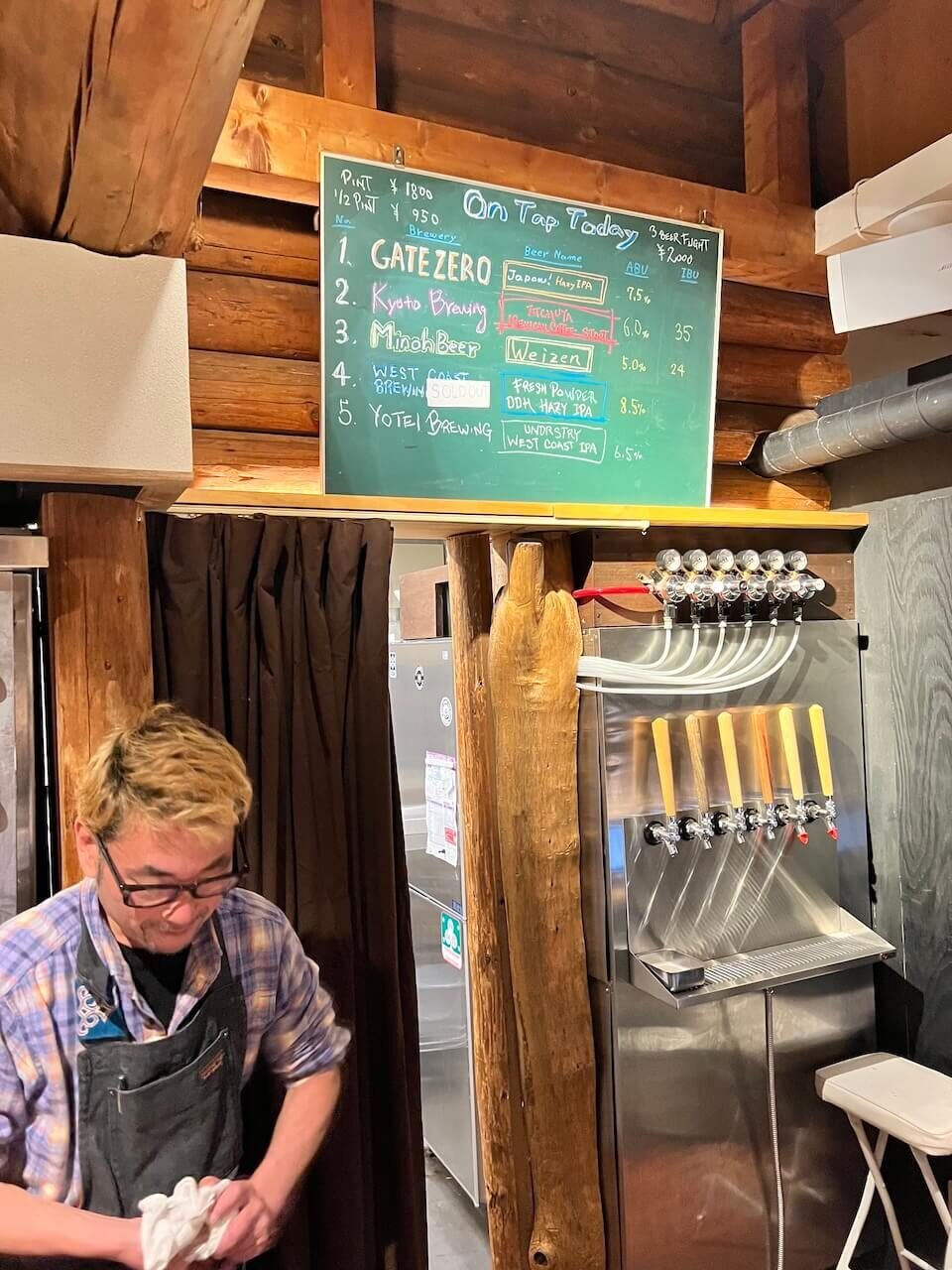
Food Tip: Try to book at least one or two dinners ahead of time, especially if you’re eyeing popular spots. If you can’t snag a table, don’t stress as on-mountain dining is still excellent, with authentic ramen, Japanese curry, and beer available at most base areas.
❄️ Non-Skiing Activities & Off-the-Slopes Fun
Even if skiing is your main reason for visiting Hokkaido, it’s worth considering a few off-the-mountain options, especially if you’re traveling with non-skiers, want to explore more of the region, or just need a break for your legs.
Niseko offers night skiing most evenings, and nearby winter activities can include snowmobiling, snowshoeing, or even soaking in a snow-covered onsen under the stars.
Looking for something guided?
Tour availability can vary by season and weather, but platforms like Klook, Viator, and GetYourGuide often list excursions from Sapporo or broader Hokkaido-based tours. Worth a browse if you’re building in a rest day or extending your trip beyond the slopes.
🎿 Final Thoughts: Planning a 5–7 Day Hokkaido Ski Trip
A 5–7 day Hokkaido ski trip hits a really nice balance. It gives you enough time to settle in, chase a few storm cycles, and still fit in a rest day, an onsen visit, or even a night out in Sapporo. If you have more time, you can slow the pace or add other resorts around the island. And, if you’ve never been, a side trip to Tokyo or Honshu is absolutely worth it.
If it’s your first time skiing in Japan, building your itinerary around Niseko makes the most sense. It has the widest range of lodging, the most English-friendly services, and the smoothest logistics. If you’ve got a rental car and a bit more flexibility, adding Rusutsu is absolutely worth it for quieter slopes and equally deep snow. Furano is fantastic too, but with a 3–4 hour drive from Niseko, it’s better saved for a dedicated trip rather than a day mission.
Above all, keep your plans flexible. Weather, lift status, and road conditions can change quickly in Hokkaido. If you loosen your schedule, pay attention to the forecast, and talk to locals, you’ll put yourself in the best position to make the most of whatever the island throws your way.
However you design your week, the Japow remains the star of the show.
👉 Ready to fine tune your plans? Check out Hokkaido Ski Tips 2025: How to Make the Most of Your Japow Trip, from Niseko and Rusutsu to what lies beyond →
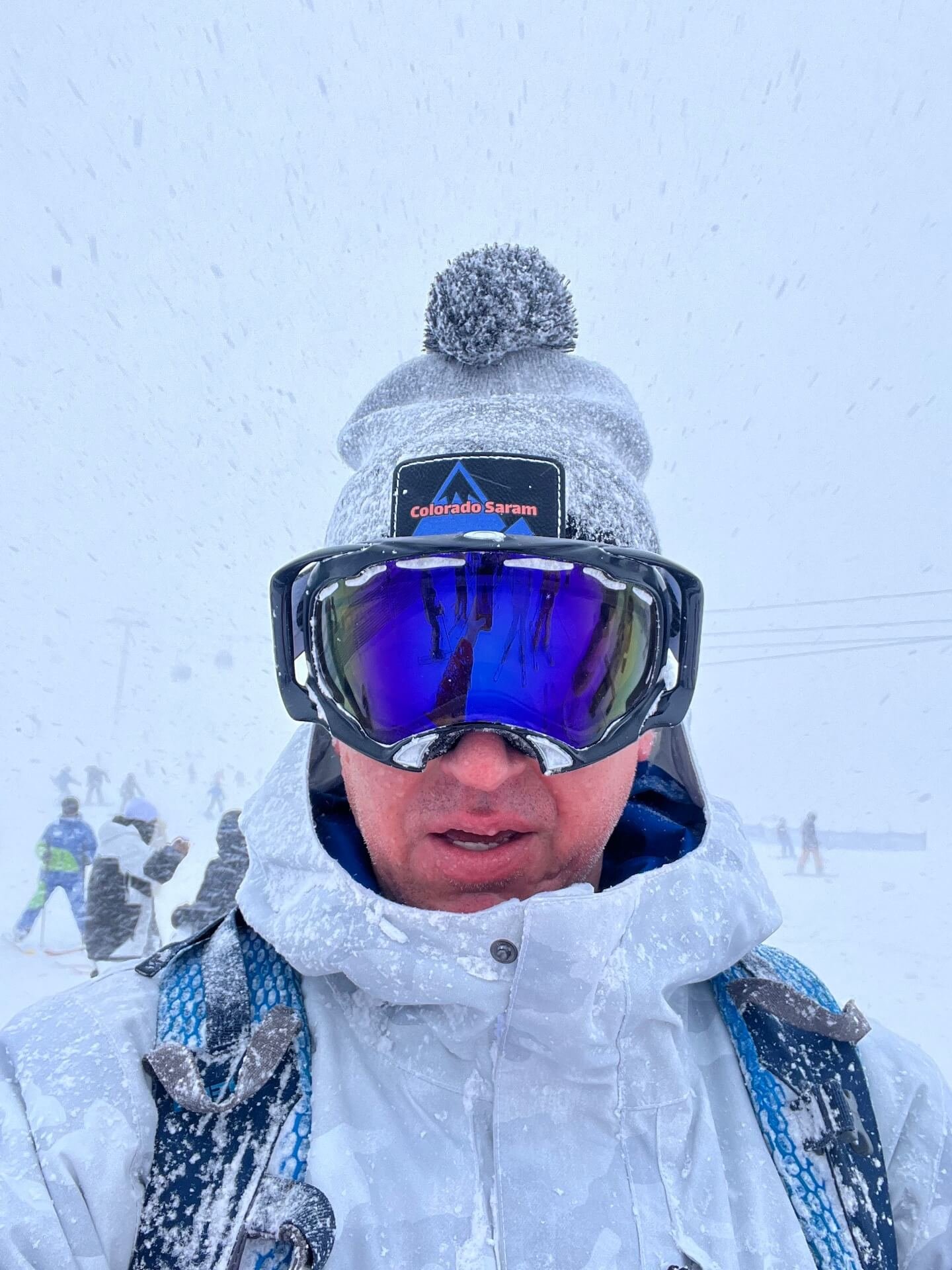
🙏 Support the Blog
This post is not sponsored by any resort, hotel, or brand. A few of the links you see here are affiliate links, which means I may earn a small commission if you make a booking through them at no extra cost to you.
If this itinerary helped you plan your own Hokkaido ski trip, you can support the site through Buy Me a Coffee. It is never required, but it genuinely helps me keep creating guides like this and researching new destinations.
❓ Hokkaido Ski Trip FAQ: What to Know Before You Go
How many days should I spend skiing in Hokkaido?
A 5–7 day trip is ideal for most travelers. It gives you time to explore multiple resorts like Niseko and Rusutsu, adjust plans based on snow conditions, and even take a rest day to visit an onsen or explore Sapporo. If you’re coming from overseas, this length strikes a good balance between skiing and recovery time.
Is Niseko or Rusutsu better for powder skiing?
Both resorts receive excellent snowfall, but Niseko is more famous internationally. Rusutsu tends to have fewer crowds and comparable powder, making it a favorite among storm chasers who want less tracked-out terrain. If you can, try to visit both — they’re only 20 minutes apart by car.
Do I need a rental car for skiing in Hokkaido?
A rental car gives you more flexibility to chase snow between resorts, especially if you’re planning to visit both Niseko and Rusutsu. However, if you’re sticking to one base and using shuttle buses or bundled lift+bus packages (like those offered by Klook), you can get by without one.
How expensive is it to ski in Hokkaido compared to the U.S. or Europe?
Skiing in Japan is generally more affordable than major resorts in the U.S. or Europe. Lift tickets, rentals, food, and even lodging tend to be cheaper — especially if you book early and avoid peak holidays like Chinese New Year.
Can I ski in Japan without speaking Japanese?
Yes. Resorts like Niseko and Rusutsu are well-equipped for English-speaking visitors. Signage, rental shops, and restaurants often have English options, and many staff speak at least basic English — especially in Niseko. Learning a few Japanese phrases is appreciated, but not essential.
Is travel insurance necessary for skiing in Japan?
It’s strongly recommended. Travel insurance can cover unexpected issues like trip delays, lost gear, or ski injuries. I personally recommend SafetyWing, which offers affordable plans that work well for international ski trips.
👉 Niseko vs Rusutsu: Which Hokkaido Ski Resort Is Better for Your Trip?
👉 Hokkaido Ski Transportation Guide
👉 Hokkaido Ski and Snowboard Packing List: Advice After Multiple Visits
👉 Skiing and Travel in South Korea
👉 Beyond Japow: My Search for the Next Great Ski Destination in Asia
🎒 Stay Connected and Keep Exploring
🧭 Need Help Planning Your Trip?
Not sure where to stay, how to compare lift passes, or whether to rent a car? I offer free one on one planning support for independent travelers.
This is not a travel agency. It is just me using nearly two decades of Asia travel experience to help skiers build trips that actually work in real life.
👉 Request free ski trip help →
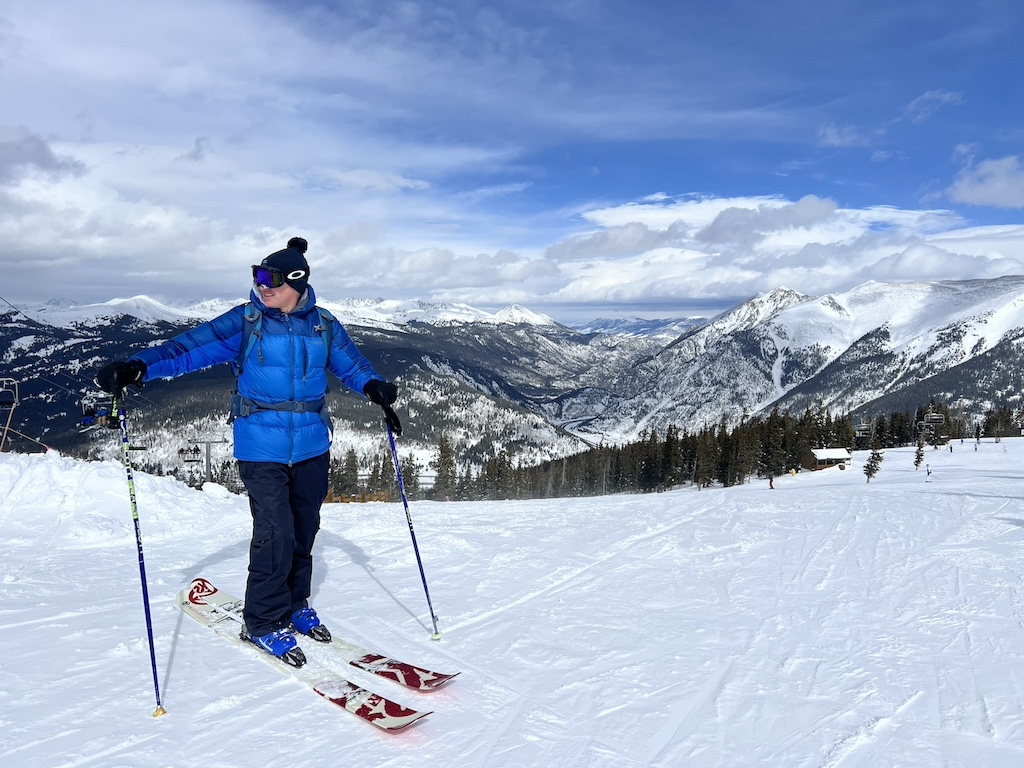
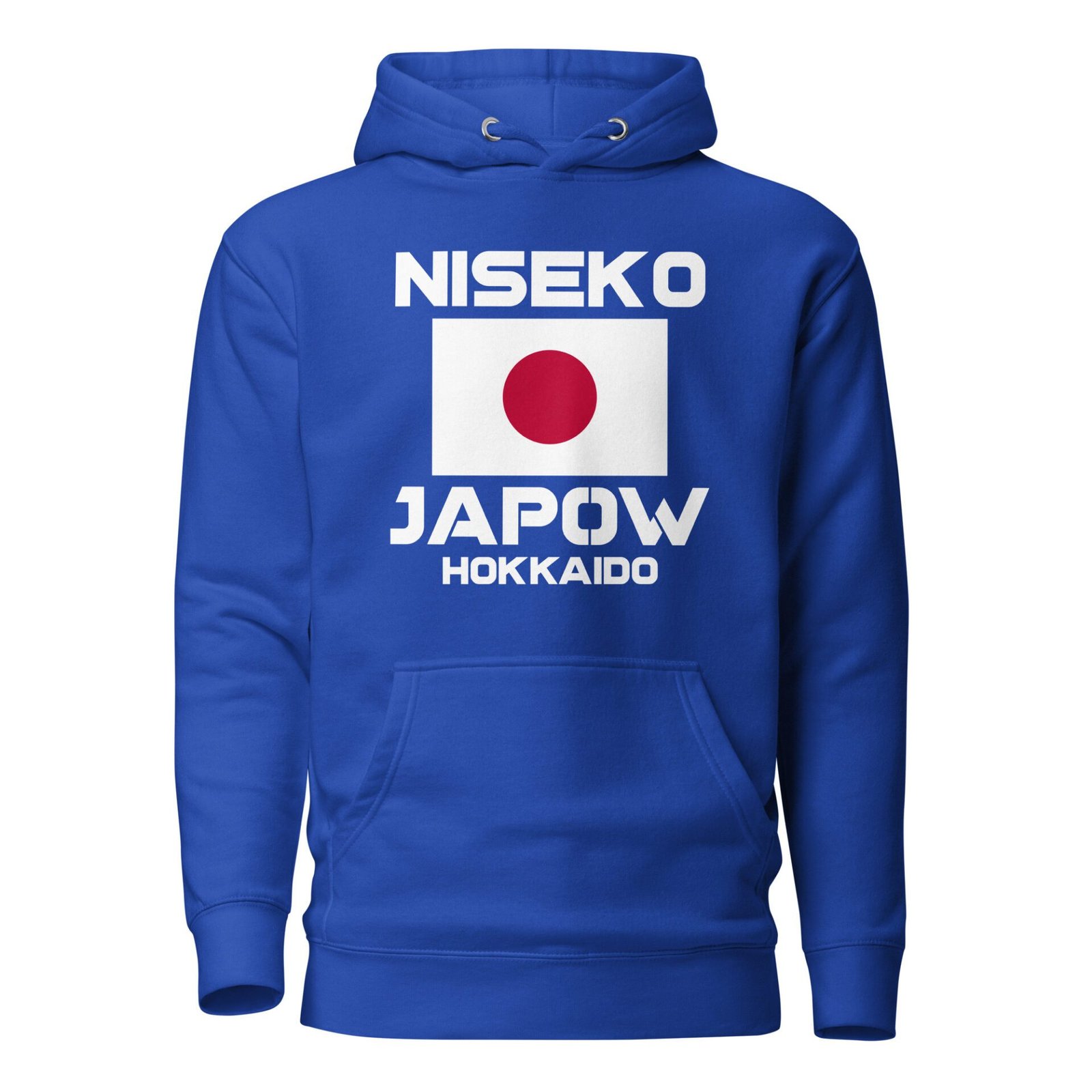
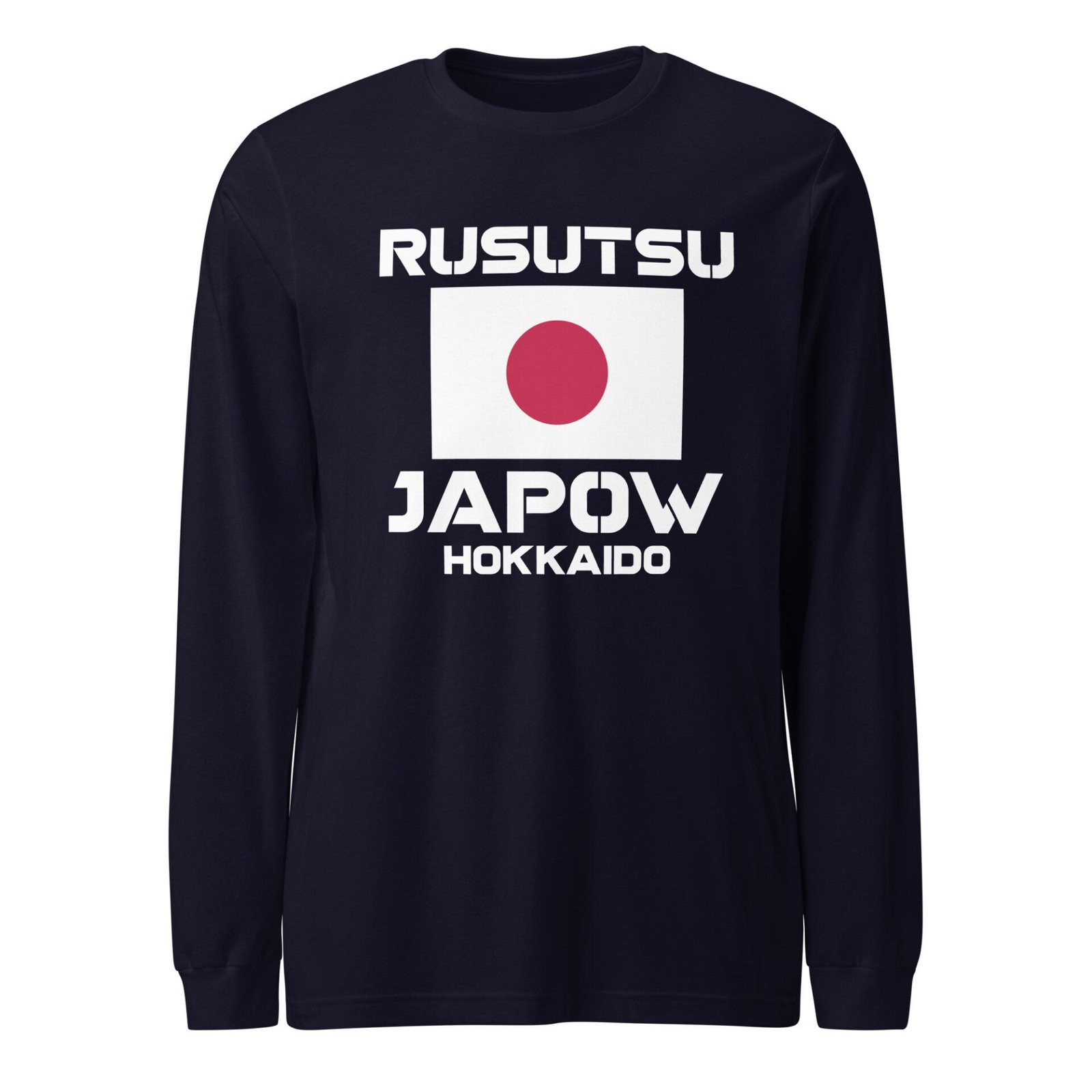
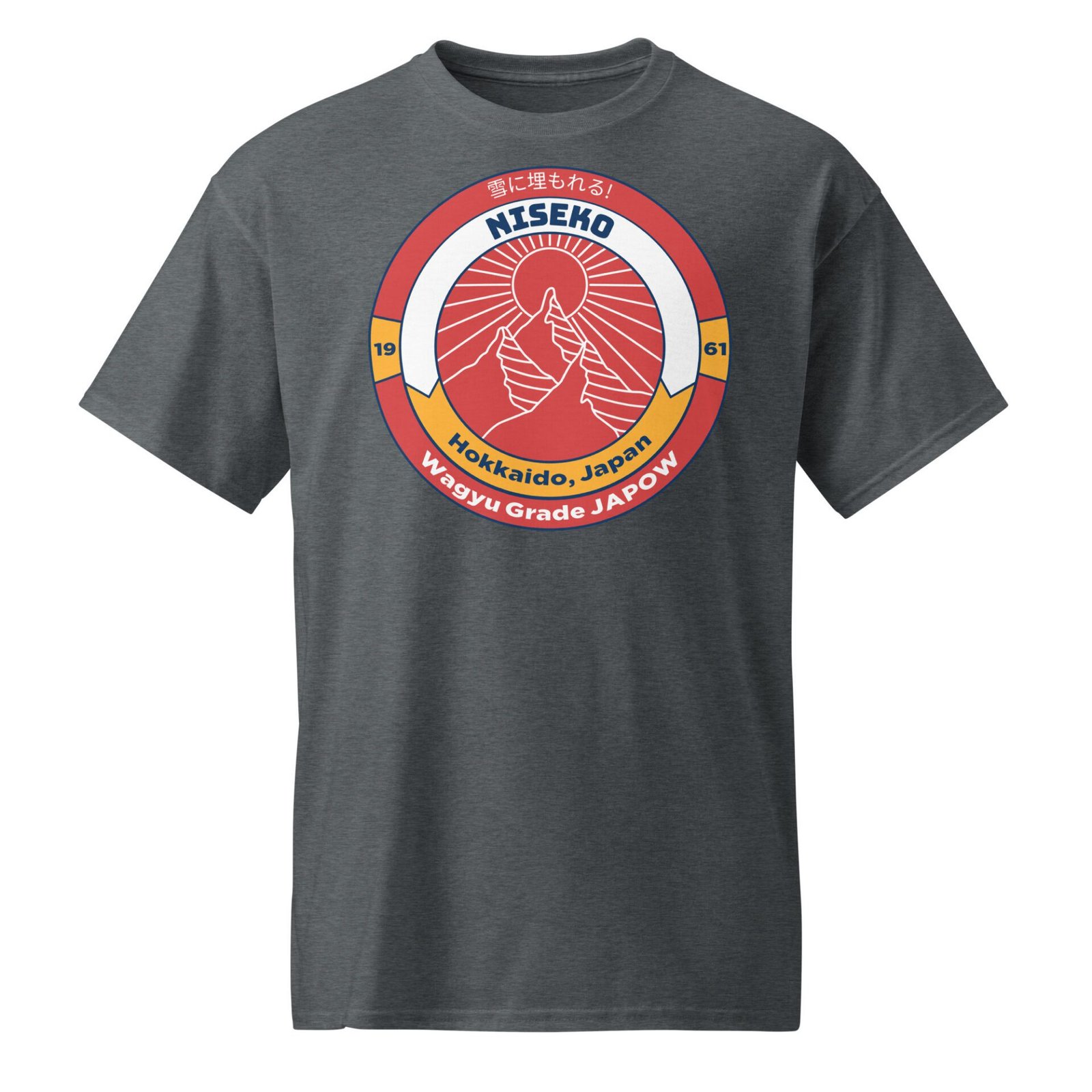
🇯🇵 Japow Apparel
It can be surprisingly hard to find ski themed designs in Japan that feel true to the Hokkaido experience. So I started creating my own Japow apparel line based on the trips I have taken here.
You can browse hoodies, hats, and long and short sleeve shirts inspired by Niseko, Rusutsu, and the whole Japow scene.
Ski travel has real risks. Injuries, weather delays, and lost gear can hit hard when you are far from home. I use SafetyWing because it is affordable, works well for international trips, and covers recreational skiing at marked resorts under the base plan.
For sidecountry or backcountry adventures, look into their Adventure Sports add on or a more specialized policy. For most Japow trips, the standard plan is enough.
🏔️ What’s Next for Me: Looking Beyond Japow
Hokkaido remains one of my favorite places to ski, but there is a whole world of powder beyond Niseko and Rusutsu. However, as the Japow crowds increase, I’ve been exploring other destinations across Asia, including Kyrgyzstan, Kazakhstan, and the high Himalayas.
Next season, I’m taking things a step further. After a lot of research and back-and-forth, I’ve locked in plans to ski Gulmarg in Kashmir, India. It is one of the most remote, raw, and rewarding lift-served ski zones on the planet.
If you’re curious why I chose Gulmarg for 2026, you can read the full story in this post:
👉 Why I’m Skiing Gulmarg in 2026 (Despite the Risks) →
And if you want a bigger picture look at how I compared places like Kashmir, Kyrgyzstan, Kazakhstan, and western China, check out this guide:
👉 Beyond Japow: Exploring the Next Great Ski Destinations in Asia →