Planning a ski trip to Hokkaido? This guide breaks down a 5–7 day itinerary based on what I’ve learned across multiple trips, including my most recent route through Niseko and Rusutsu, what worked, and what I’d do again.
Hokkaido’s reputation for consistent powder is well-earned. Even with bigger crowds than when I first visited, it still delivers the kind of snow that’s been drawing powder skiers here for years
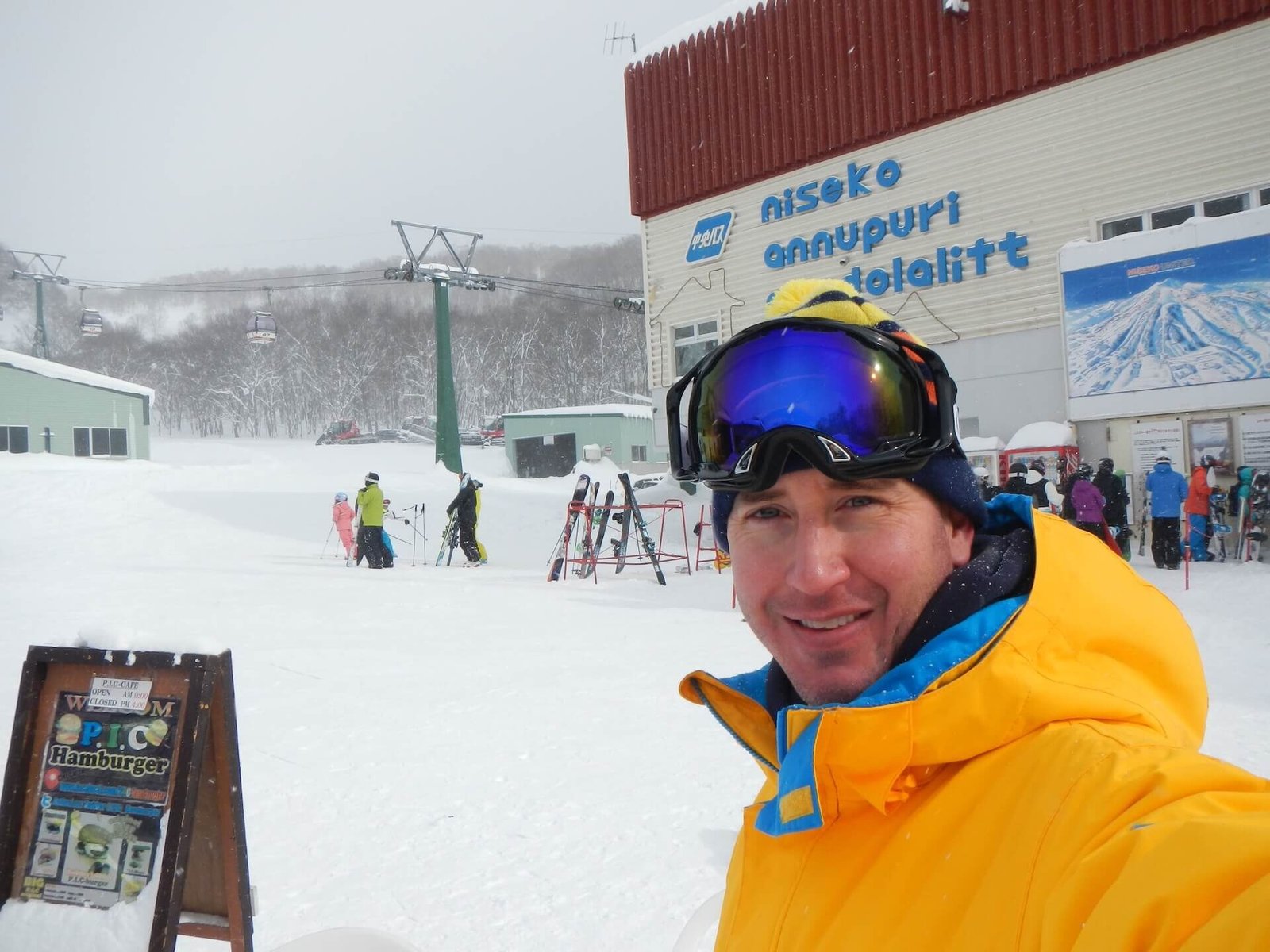
My first trip here was in 2014. I went solo, took the train from Sapporo, and stayed in a backpacker hostel.
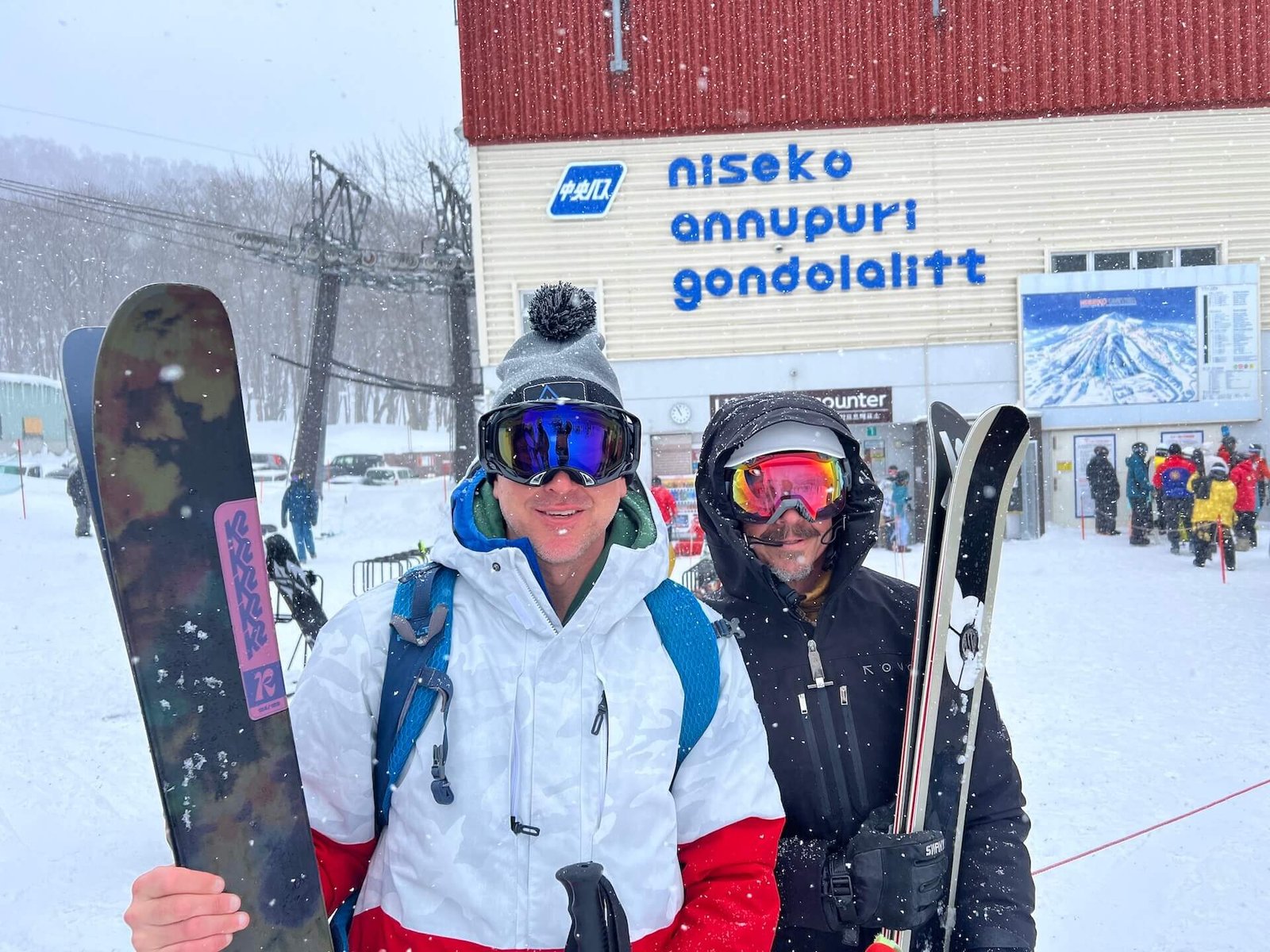
The most recent trip looked very different. My brother and a friend flew in, we rented a car, stayed in an Airbnb, and with a higher combined budget, had a lot more flexibility and comfort than my first time around.
Both trips were great, just in very different ways. But if I were planning it again, I’d follow the second approach without hesitation.
If you’re putting together your first Japow trip or coming back with a bit more experience, this is how I’d structure a 5–7 day visit now.
Getting to Hokkaido
Getting to Hokkaido is straightforward. Most international routes connect through Tokyo or Osaka before continuing on to New Chitose Airport (CTS), which is the main gateway for Niseko and Rusutsu.
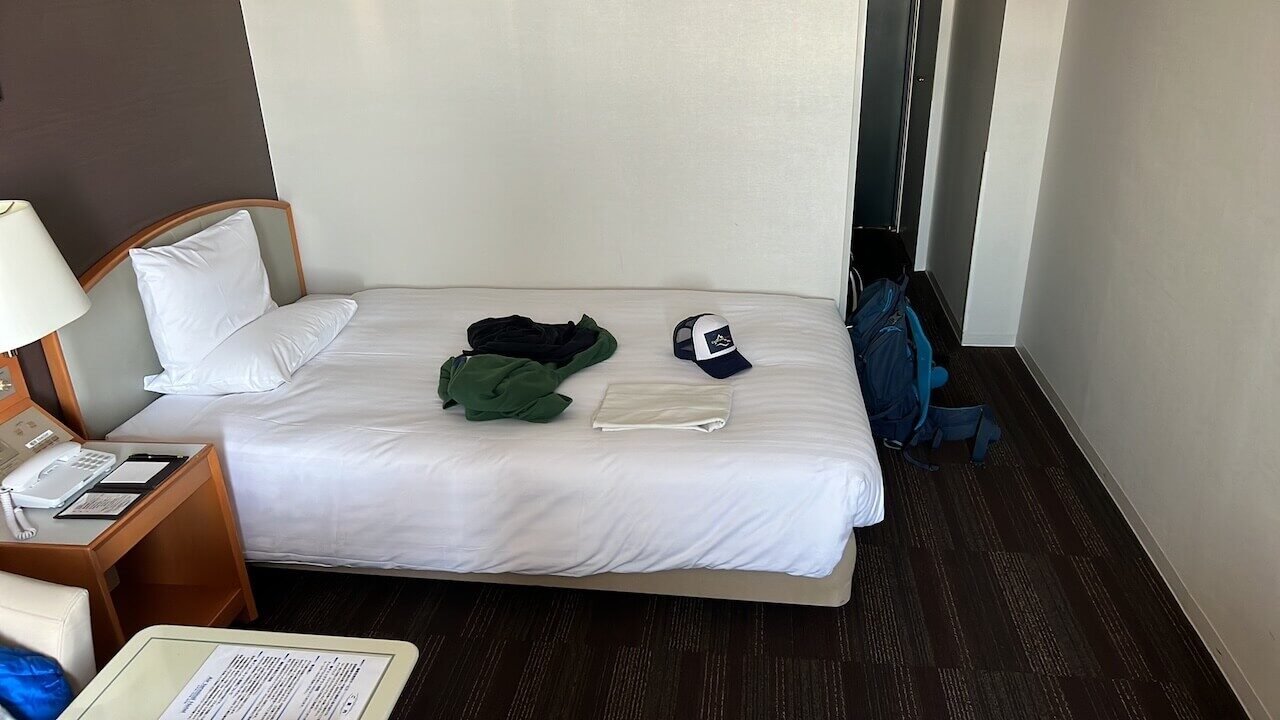
For our trip, we all flew into CTS from different places and met there. Since everyone was arriving later in the day, we booked one night at the Airport Terminal Hotel inside the airport instead of trying to drive straight to the resort.
It made the first day a lot easier. We got some rest, regrouped, and headed out early the next morning.
Renting a Car in Hokkaido
On this trip, we rented a car directly from New Chitose Airport, and I’d recommend it if you’re planning to ski both Niseko and Rusutsu.
Driving in Hokkaido is manageable, even in winter. Roads are generally well maintained, traffic is light outside the cities, and rental cars come equipped with snow tires.
There’s still an adjustment if you’re not used to driving on the left. The roads can feel narrow, especially with snow piled along the sides, so it takes a bit of time to get comfortable.
You’ll also need an International Driving Permit (IDP). I got mine easily in Korea, and in the U.S. you can pick one up through AAA. I told my brother to do that ahead of the trip. He didn’t, which meant I ended up driving the entire time.
If you’re renting, I’d go with an AWD or 4WD vehicle with enough space for gear. We had a Nissan X-Trail, which handled well and had plenty of room.
I booked through EconomyBookings without any issues, and DiscoverCars is another good option I recommend to compare availability and pricing.
🎥 Packing Up the Rental Car for Rusutsu
Winter Driving Notes
- Book an AWD or 4WD vehicle
- Expect narrow, snow-covered roads
- Use Google Maps
- Bring a snow brush
- Don’t forget your IDP
👉 See my full Hokkaido transport guide
Train + Shuttle Alternative
If you’re not renting a car, public transport works fine, especially if you’re staying in one place.
From New Chitose Airport, you can take a train to Kutchan Station or book a direct ski shuttle to Niseko or Rusutsu.
This is the route I took on my first trip. It works, but you’ll have less flexibility once you’re there.
👉 Browse Sapporo and Hokkaido transport options on Klook
Where to Stay in Niseko & Rusutsu
Once you know you’re going, it’s worth locking in your lodging early. Niseko fills up fast during peak season, and the better options don’t last long.
On my most recent trip, we stayed in an Airbnb just outside of central Niseko, which gave us more space, comfort, and flexibility. It also meant having a rental car.
Back in 2014, I went the opposite route with a backpacker-style stay. It was a short bus ride to the slopes, but also a cramped, communal setup that was pretty rough by comparison.
The Airbnb setup worked well for us. More space, easier with gear, and a better fit for a group. I’d go that route again if I were splitting costs with a few people.
We stayed on the Annupuri side of Niseko, which I ended up preferring over the main Hirafu base. It’s quieter, a bit more spread out, and still easy to access the lifts. There are also a few places out there that include meals and have onsite onsens, which can make a big difference after a long ski day.
If you’re looking for a full-home setup, VRBO is worth checking. Just pay attention to location. Some places are walkable to lifts or restaurants, while others will require a car.
Niseko Lodging
Luxury Picks
If you’re going all in, Niseko has plenty of high-end options with ski-in/ski-out access and full-service amenities.
Mid-Range
If you want comfort without going overboard, these are solid options.
Budget Options
There are still a few hostel-style and lodge options around if you’re keeping costs down.
Rusutsu Lodging
Rusutsu is smaller and more contained, so your options are a bit more limited.
The Westin is the most convenient setup. Ski-in/ski-out, everything in one place, and easy logistics. It’s not cheap, and most packages don’t include meals, which is something to keep in mind.
If you want something with a bit more flexibility, places like The Vale Rusutsu offer apartment-style stays with kitchens and breakfast included. It’s a different setup, but a good option if you don’t want to rely entirely on resort dining.
There are also some cabin-style rentals in the area that work well for groups, especially if you have a car.
A Quick Note on Location
Some properties, especially rentals, aren’t right in town. That’s not necessarily a problem, but it does change how you get around.
Many hotels offer shuttle service to the lifts, but most Airbnbs and private rentals don’t. If you’re staying outside the main areas, having a car makes things a lot easier.
One Thing to Plan Ahead For
One thing that stood out on this trip was how much planning meals actually took.
A lot of restaurants in Niseko book out in advance, especially during peak season. If you’re not planning ahead, it can be harder than expected to just walk in somewhere.
Because of that, having meals included or access to a kitchen ended up being more useful than I expected.
We ended up using sites like TableCheck to try and lock in reservations ahead of time, along with just checking Google Maps and seeing what was available nearby.
Gear Rentals, Lift Passes & Lessons
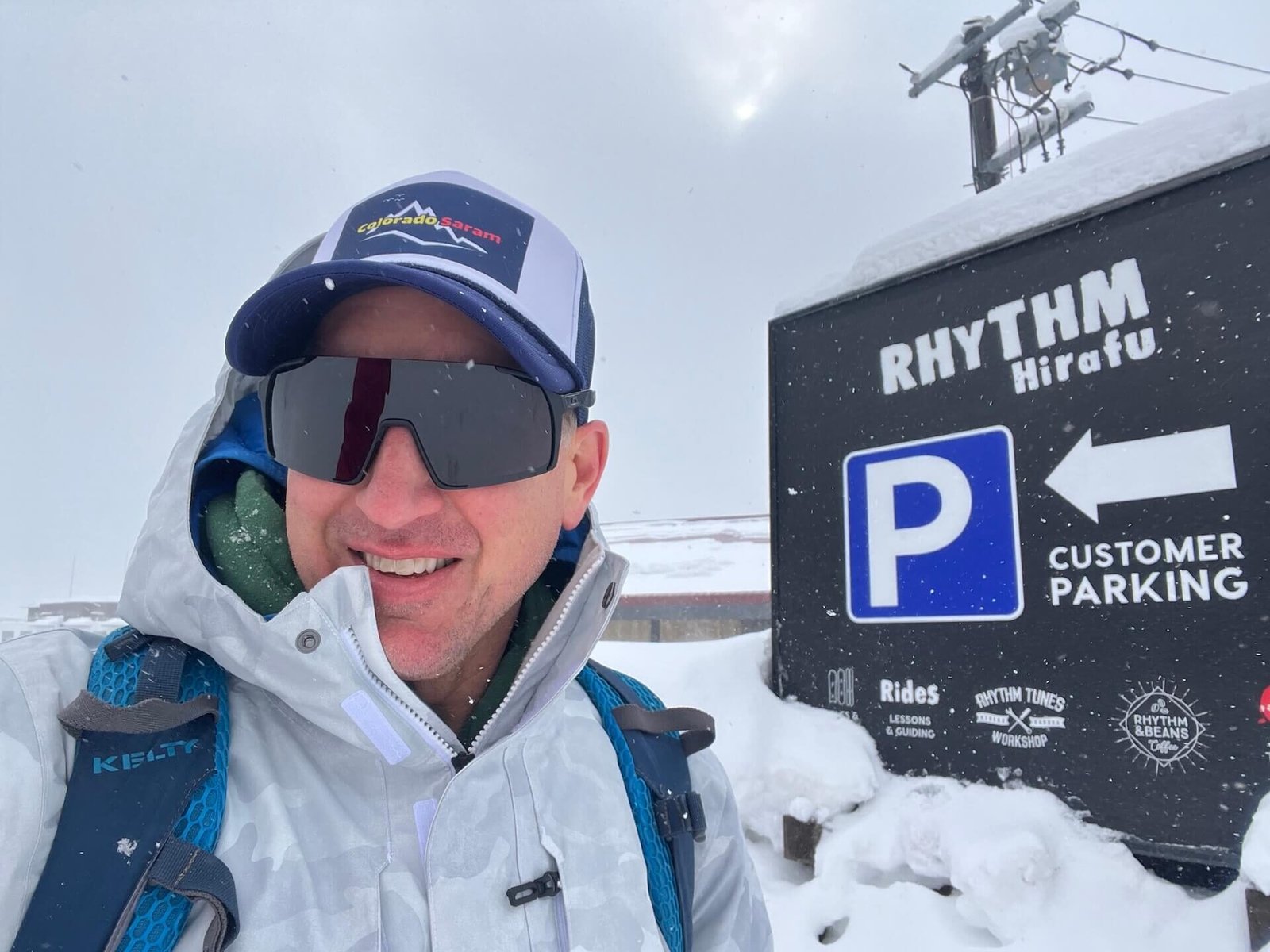
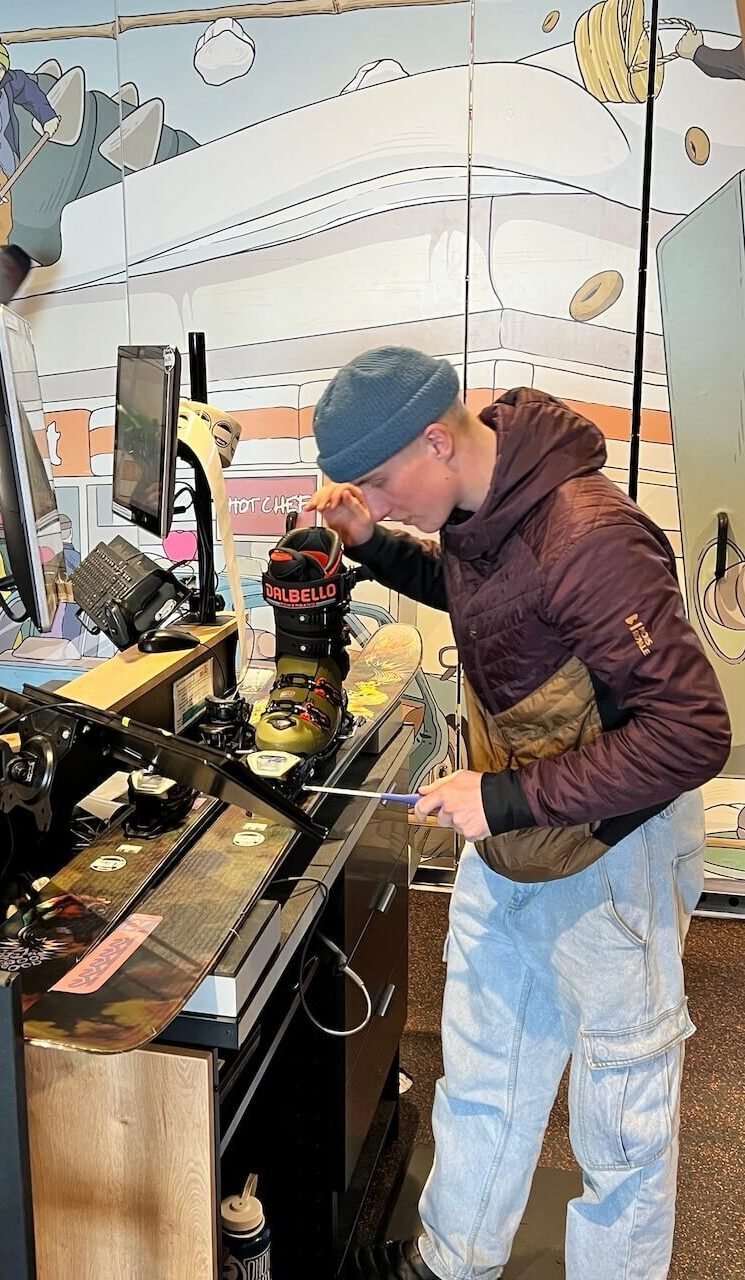
If you’re not bringing your own gear, there are plenty of good rental options in Niseko. I’ve used Rhythm Japan on two separate trips and would go back again without thinking about it.
On my first trip, I rented a pair of K2 Pontoons (what I was skiing back in Colorado at the time) and had a smooth enough experience that I went back to Rhythm again on the most recent trip. This time, I pre-booked online and picked everything up at their Hirafu flagship location, just a short walk from the lifts.
👉 You can book Rhythm rentals through Klook here if you want to use the same setup
They set me up with K2 Reckoner powder skis, and the whole process was easy. Good boots, solid gear, and no issues keeping them an extra day. They also offer gear swaps if you want to change things up depending on conditions.
If you’re coming for powder, I’d lean toward a wider ski or board. Standard rentals can handle soft snow, but something built for powder makes a difference when it gets deep.
👉 See my Hokkaido packing list
That said, powder skis aren’t always the easiest on groomers, so it depends on your comfort level. The swap option helps if you want to adjust as the trip goes on.
One thing to keep in mind is that Rhythm doesn’t have a Rusutsu drop-off location. We returned everything in Niseko before heading out, which wasn’t a big deal.
Lift Passes
We bought lift passes directly through each resort’s website, which is what I’d recommend. It’s cheaper than buying in person, and you can just scan and pick them up at the base.
If you have an Epic Pass, Rusutsu is included as a partner resort. One of our group used it both days without any issues.
The Ikon Pass also works at Niseko United, but access depends on your pass type, so it’s worth double-checking before you go.
There’s been some talk about tiered pricing for international visitors, but I haven’t seen that applied to lift tickets yet.
Lift Pass + Transport Packages
If you’re not renting a car, there are bundled options that combine lift passes with transportation from Sapporo or New Chitose Airport.
👉 You can browse Hokkaido transport and lift packages on Klook here
Lessons in Niseko
I didn’t take lessons here myself, but I get a lot of questions about it.
The easiest way to sort through options is Klook. It pulls together several English-friendly ski and snowboard schools in one place, which makes it easier to compare availability and pricing.
👉 Browse Niseko ski and snowboard lessons here
👉 Niseko Ski Resorts Eng/Chi Private Ski Lesson with Photography
If you’re brand new, bundled packages that include lessons, rentals, and a lift pass can simplify things.
If you’re going during peak periods like Christmas or Lunar New Year, it’s worth booking ahead. Spots fill up quickly.
Flexible 5–7 Day Hokkaido Ski Itinerary
This isn’t a strict day-by-day plan. It’s how our trip played out, and a framework you can adjust depending on conditions, crowds, and where the snow is falling. Even though the resorts are only about 20 minutes apart, conditions can be very different on any given day.
Arrival + First Ski Day
We all flew into New Chitose Airport and stayed one night at the airport hotel before heading out the next morning.
It made things easier. Everyone arrived at different times, we got some rest, and didn’t have to deal with driving in the dark after a long travel day.
The next morning, we picked up the rental car and drove to Niseko.
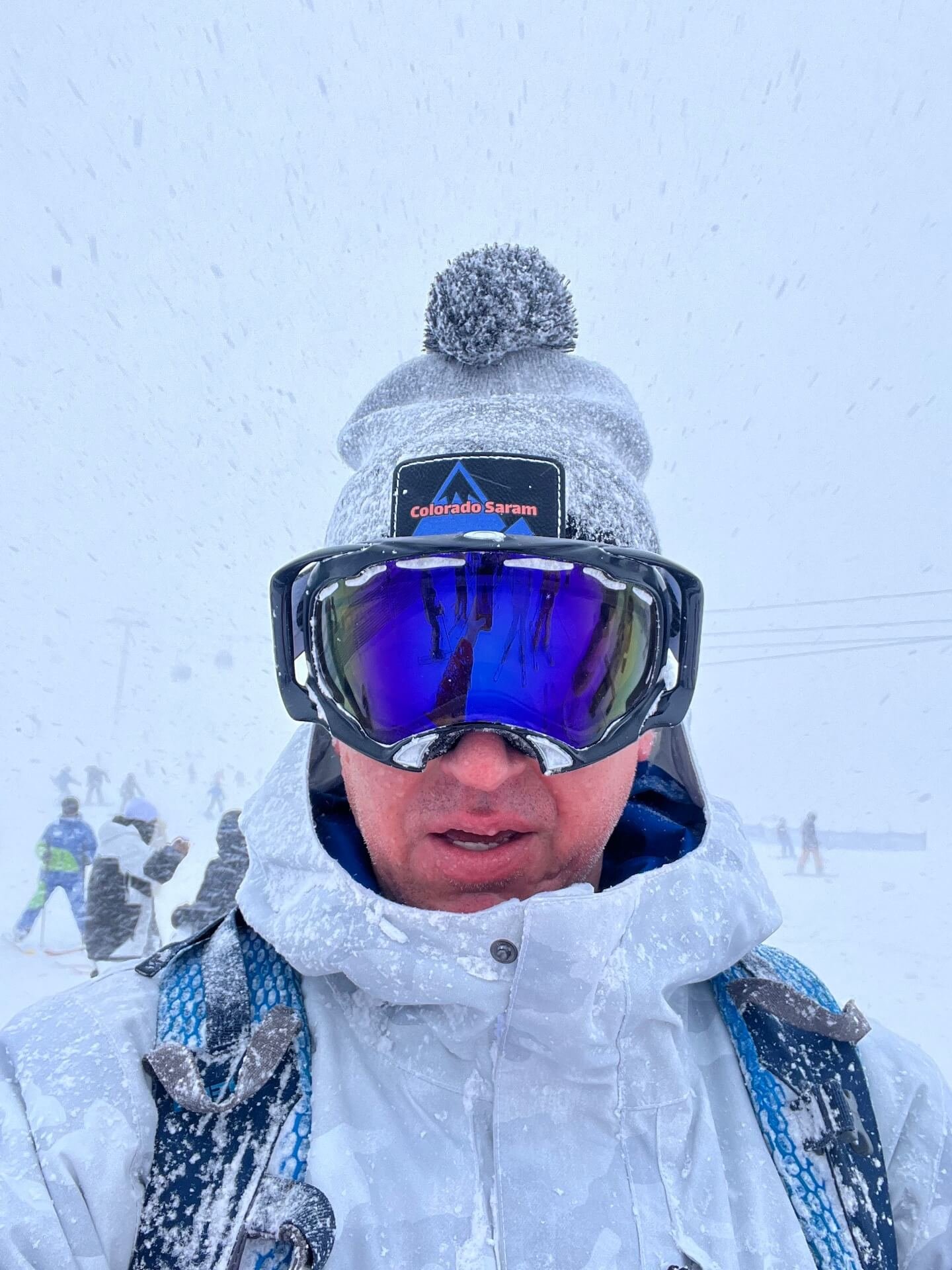
We got in around midday, just as I was getting used to driving through a snowstorm on the opposite side of the road. While I picked up rentals in Hirafu, my brother and his friend got a few warm-up laps in. I joined them after.
Only part of the mountain was open due to wind, but the snow was already deep. It was a good first taste of what the week was going to look like.
If you’re skiing on arrival day, a shorter lift pass is usually enough.
Days 2–6: Ski Where the Snow Is
This is where having a car makes a difference.
We didn’t lock in a fixed schedule. Each night, we made a loose plan, then adjusted in the morning based on snowfall, visibility, and what lifts were open.
We ended up skiing three days at Niseko and two at Rusutsu.
Even though they’re only about 20 minutes apart, conditions can be completely different. One mountain can be getting dumped on while the other is dealing with wind or limited visibility.
Being able to move between the two is one of the biggest advantages of splitting your trip like this.
If you’re not sure where to go, ask around. Ski techs, bartenders, or even your host usually have a good read on what’s skiing best that day.
👉 Read my Niseko vs Rusutsu breakdown
🎥 Watch: Trip Highlights
Mid-Trip Reset (Optional)
If you’re skiing powder every day, your legs will feel it.
We didn’t fully take a rest day, but slowing things down for an afternoon or evening helps more than you think. Onsens are the easiest way to do that.
Most areas have a few solid options, and many hotels allow day-use access even if you’re not staying there.
Final Day + Sapporo
On the last day, we checked out early, got in a few final runs, and started heading back toward the airport.
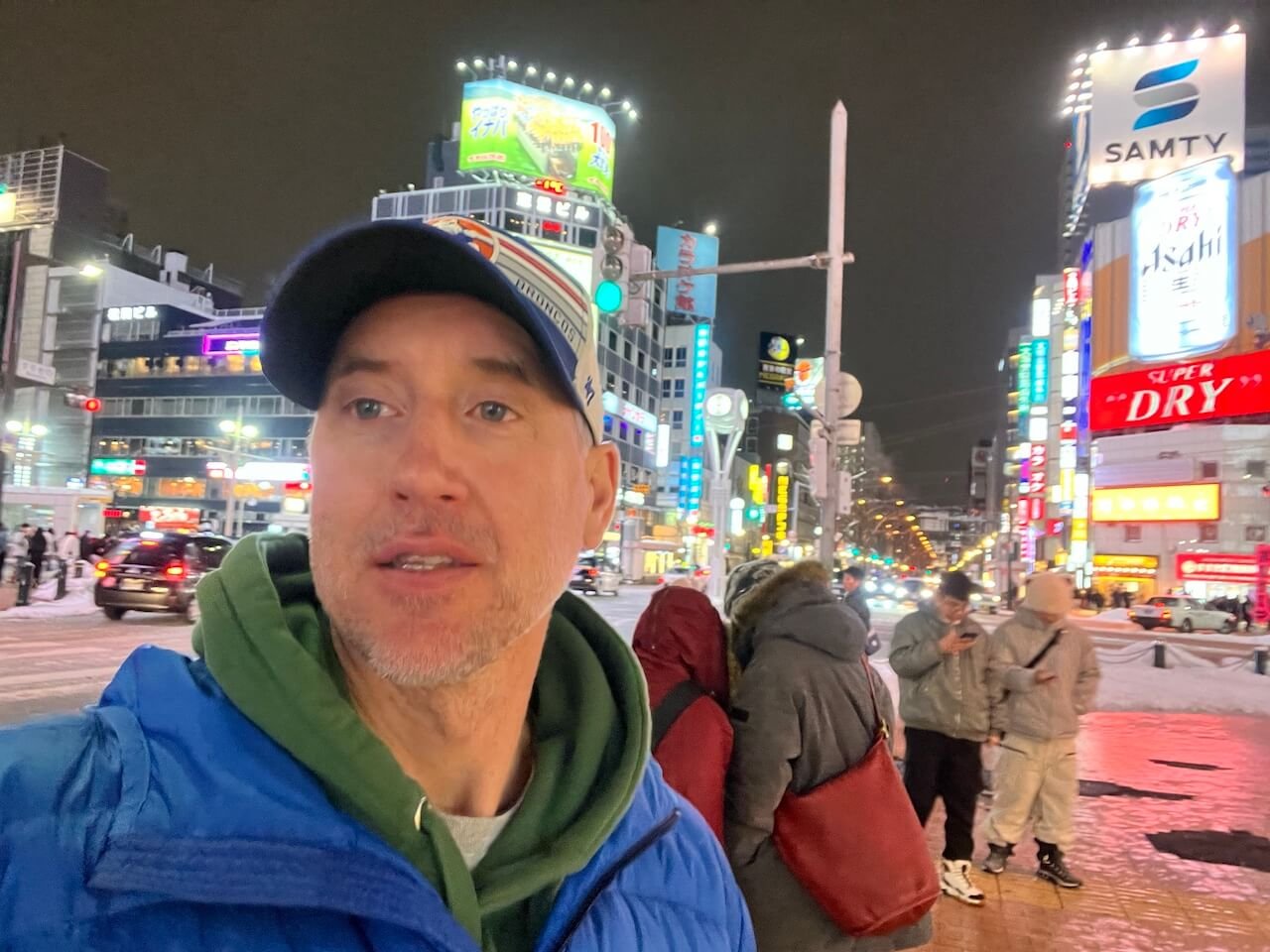
I dropped my brother and his friend at the airport hotel, then continued into Sapporo for the night.
It’s worth it if you’ve got the time. It feels a lot more like what you picture when you think of Japan. Smaller and snowier, but with that same kind of energy you’d get in Tokyo.
What Does a Hokkaido Ski Trip Cost?
If you want a real-world breakdown, I put together our actual trip costs including lodging, rentals, transportation, and everything else.
👉 See the full cost breakdown here
Eating in Niseko
The biggest surprise for me on this trip was how hard it’s become to eat out without a reservation.
Back in 2014, I could walk into most places. This time around, a lot of restaurants were fully booked, many using TableCheck and requiring reservations ahead of time.
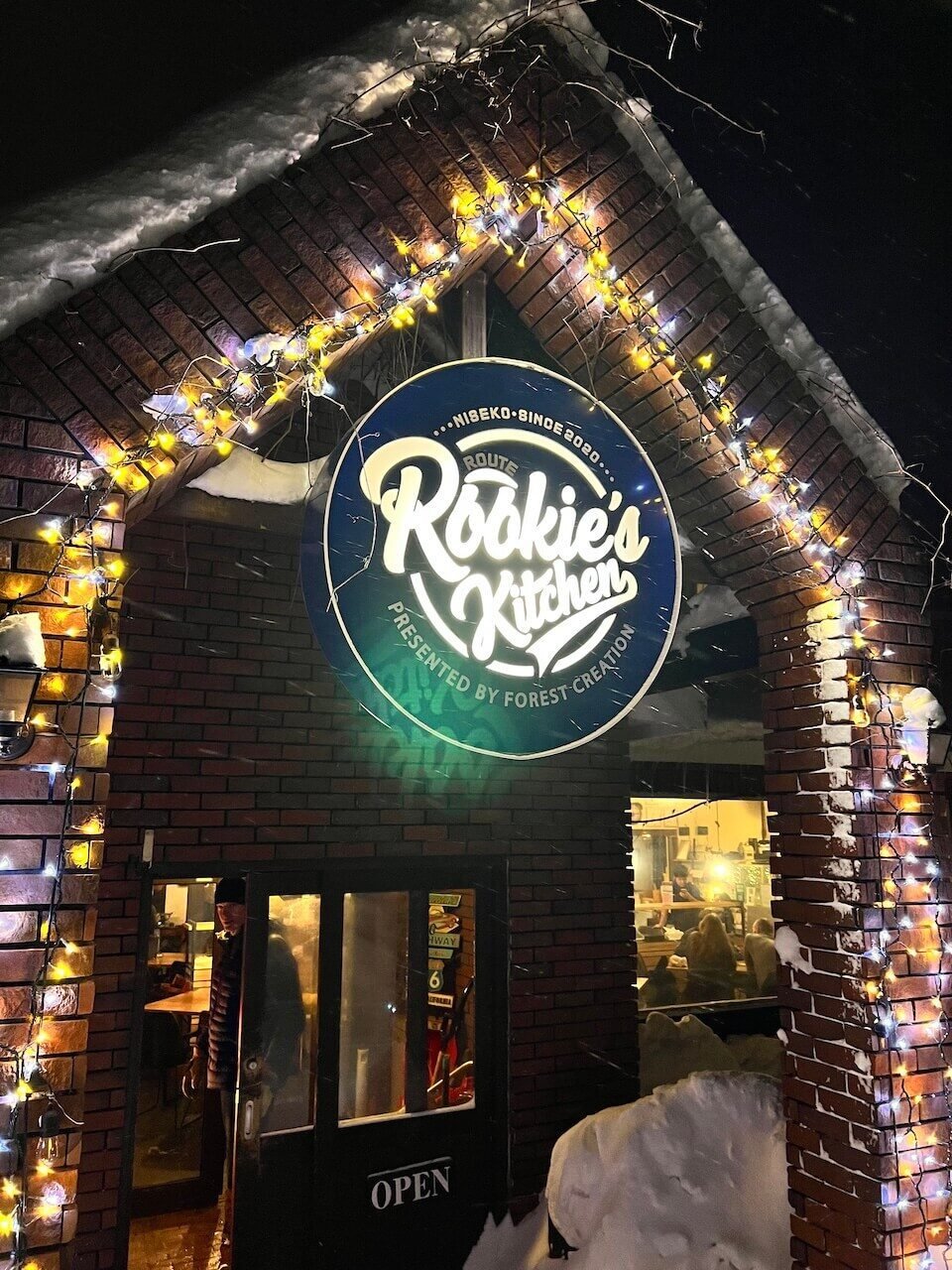
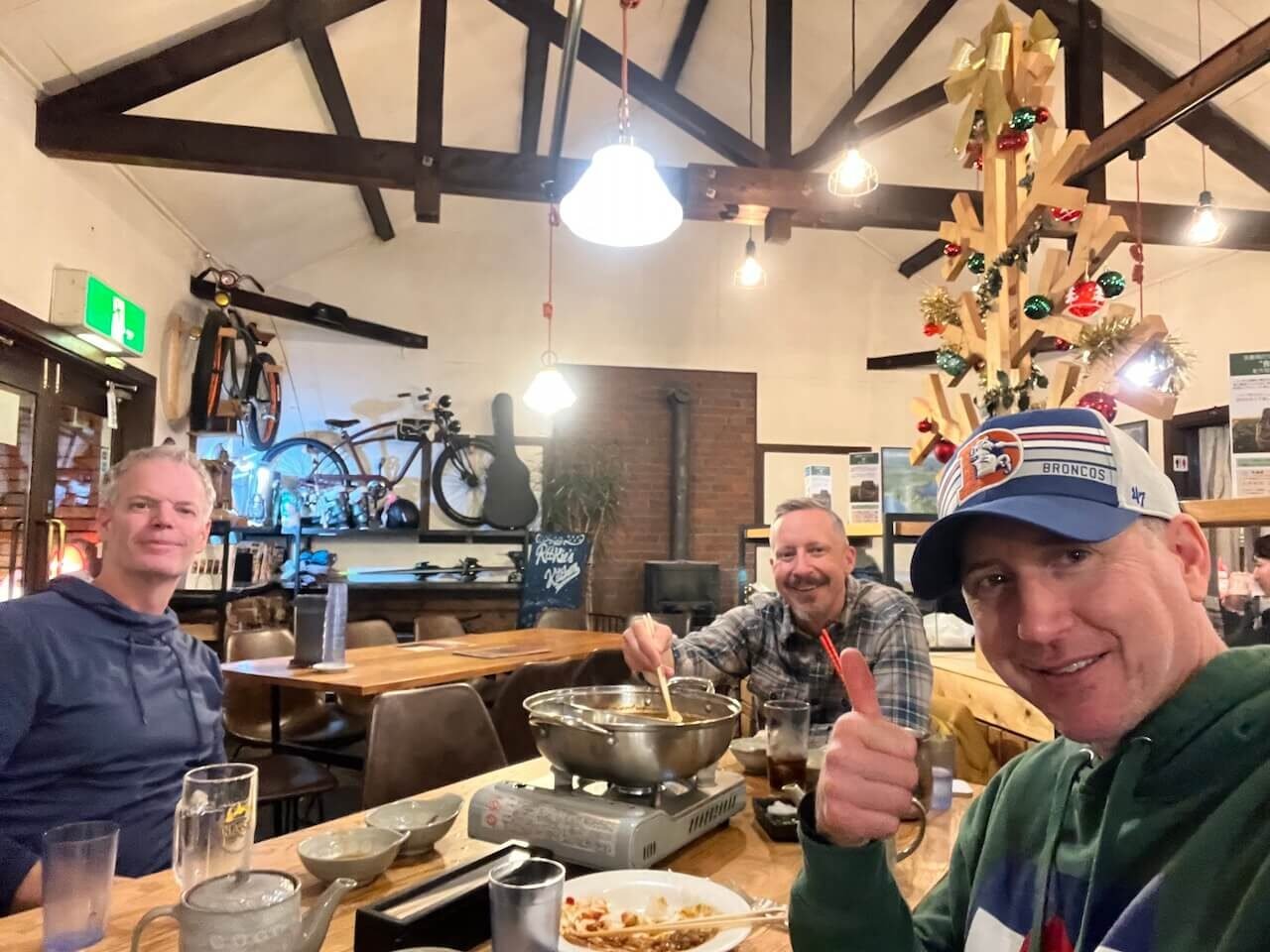
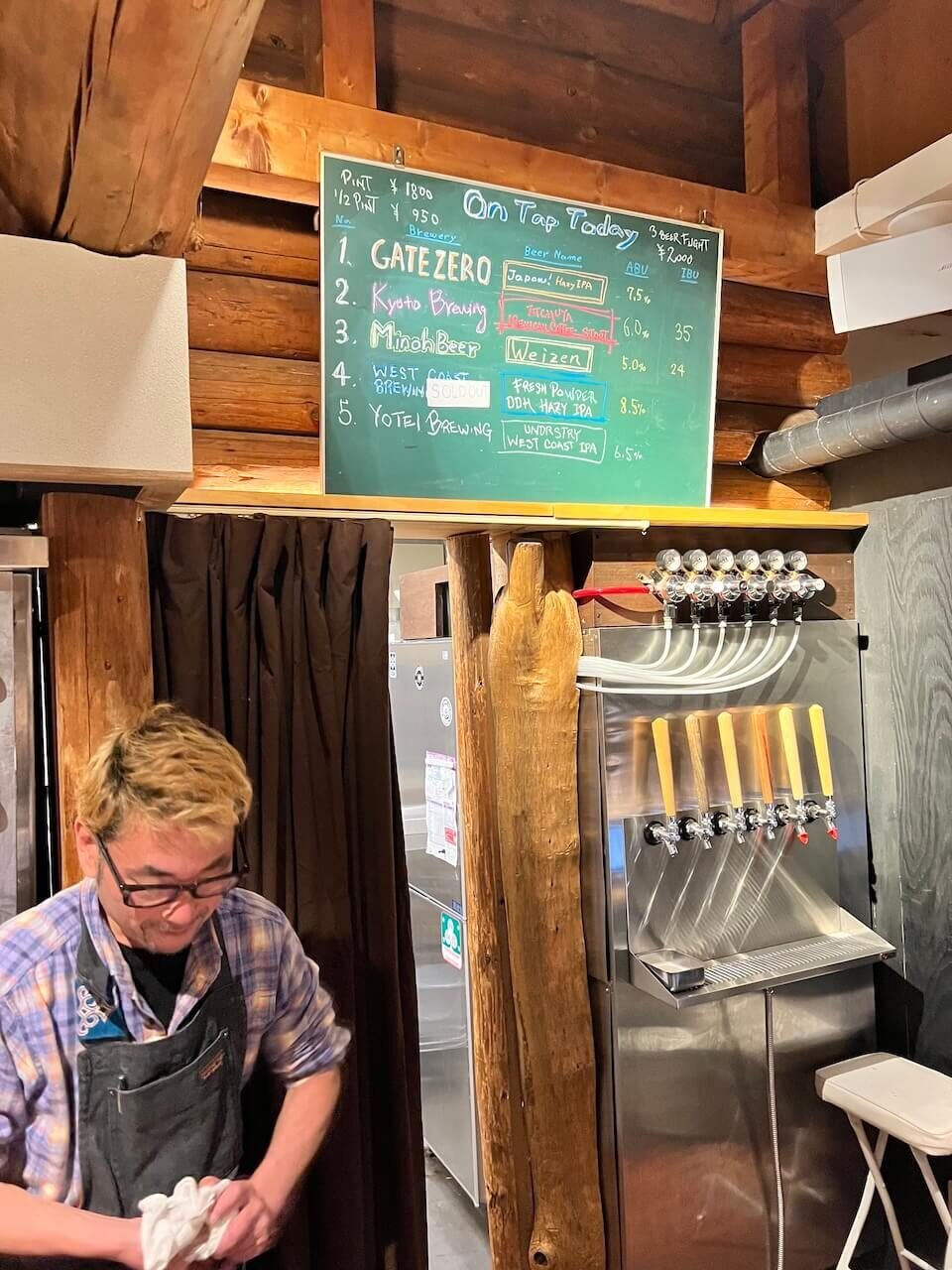
We still found a few good spots. Rookies Kitchen near our Airbnb was easy and reliable, and Gate Zero at Annupuri was a solid post-ski stop for food and beer.
If you’re going during peak season, it’s worth booking at least a couple dinners ahead of time. Otherwise, plan on being flexible or eating on the mountain.
Final Thoughts
Five to seven days is enough to get a real feel for skiing in Hokkaido without rushing through it.
Splitting time between Niseko and Rusutsu worked well for us, especially with a car. It made it easy to adjust day to day based on weather, visibility, and crowds.
If it’s your first trip, Niseko is the easiest place to base yourself. If you’ve got a bit more flexibility, adding Rusutsu is worth it.
Beyond that, the biggest thing is staying flexible. Conditions change quickly, and the best days usually come from adjusting as you go rather than sticking to a fixed plan.
👉 Planning your own trip? I can help you map it out here
👉 Read my Niseko vs Rusutsu comparison
Hokkaido Ski Trip FAQs
How many days do you need to ski in Hokkaido?
Five to seven days is enough for most trips. It gives you time to ski multiple days and adjust for weather without rushing.
Is Niseko or Rusutsu better?
Both are worth skiing. Niseko is easier and more developed. Rusutsu is quieter and often less crowded.
Do you need a rental car in Hokkaido?
No, but it helps a lot. A car makes it easier to move between resorts and adjust based on conditions.
When is the best time to ski in Hokkaido?
January is the most consistent for powder. Late December through February is the core season.
Is skiing in Hokkaido expensive?
Generally cheaper than major U.S. resorts. Lodging can get expensive if you book late.
Do you need restaurant reservations in Niseko?
Yes, especially during peak season. Many places require booking ahead.
Can you ski in Japan without speaking Japanese?
Yes. Niseko is very English-friendly, and Rusutsu is still easy to navigate.
Should you stay in Niseko or Rusutsu?
Niseko is the easier base. Rusutsu works well as a day trip or short stay.
👉 Skiing and Travel in South Korea
👉 Beyond Japow: My Search for the Next Great Ski Destination in Asia
👉 Do You Need a Guide to Ski Gulmarg in Kashmir, India?
🇯🇵 Japow Apparel
It can be surprisingly hard to find ski themed designs in Japan that feel true to the Hokkaido experience. So I started creating my own Japow apparel line based on the trips I have taken here.