I first skied in Japan back in 2009, spending time in Nagano’s Hakuba Valley. In 2014, I made my first trip to Hokkaido to ski Niseko. Most recently, I returned to Hokkaido in 2025, skiing both Niseko and Rusutsu.
A lot has changed since those earlier trips. Crowds, prices, and some of the logistics are different now, but the snow is still very much the reason people from overseas continue to pack their bags in search of Japow.
This packing list is not meant to be a generic checklist of socks, base layers, or side-by-side gear comparisons. I’m going to assume you already know how to pack for a ski trip in general.
What follows is based on what I’ve brought, what I’ve rented, and what I’d do the same or differently if I were planning another Hokkaido ski trip tomorrow.
I’ve already covered transportation, itineraries, resort comparisons, and planning details in other Hokkaido posts, and I’ll link to those under Related Reading at the end.
This is meant to be a simple, experience-based look at packing decisions that don’t always seem obvious until you’re already there. Consider it advice from someone who’s been back more than once and learned a few things along the way. That said, everyone packs differently, so feel free to tailor this to your own needs.
If you’re an experienced skier or snowboarder heading to Japan for the first time, this is some stuff worth thinking through before you head to the airport.
🧭 Who This Packing List Is For
This packing list is written for skiers and snowboarders planning their first trip to Hokkaido, especially those who already ski or ride regularly but haven’t done a winter trip to Japan before.
It’s aimed at independent travelers, not people booking fully packaged ski holidays where gear, transport, and logistics are handled for you. If you’re deciding what’s worth bringing from home, what’s easy to rent locally, and what details are easy to overlook on an international ski trip, this should be useful.
If you’ve skied extensively in North America or Europe and want a practical, experience-based checklist for Hokkaido, this should fit. It’s not a beginner ski guide, and it’s not a gear review or shopping list.
🎒 The Big Picture, A Few Realities About Skiing in Hokkaido
Hokkaido skiing is often marketed as a once-in-a-lifetime powder experience. While the snow usually delivers, the overall trip can feel different from skiing in North America or Europe. Understanding a few basic realities upfront makes packing decisions much easier.
Much of the skiing in Hokkaido is lift-accessed, but places like Niseko also have designated access gates that lead into ungroomed terrain outside standard runs. These gates exist both along the edges of the resort and within resort boundaries, and once you pass through them, you’re responsible for getting yourself back to the lifts or to town.
How much hiking or additional gear you’ll need depends on where you go and how far you venture. Some lines funnel you back toward the resort fairly easily, while others require bootpacking or longer hikes, especially on the Hanazono side. Packing with that range of scenarios in mind makes more sense than assuming every run ends cleanly at a chairlift.
Japan’s infrastructure also plays a big role in how you approach packing. Gear rental quality is high, convenience stores are genuinely useful, and most things you might need can be purchased locally if necessary. That flexibility means you don’t need to pack for every possible situation the way you might for a more remote ski destination.
Where it’s worth slowing down and thinking things through is how you plan to get to and from Japan, and how you’ll get around once you arrive.
Airline baggage limits, airport transfers, trains, shuttles, and rental cars all influence what’s realistic to travel with. In practice, bringing less and making a few intentional choices usually makes everything easier once you’re on the ground.
The goal with packing for Hokkaido isn’t to be minimal for the sake of it, or to haul your entire ski setup halfway around the world. It’s to bring what you already trust, rent what makes sense locally, and avoid unnecessary headaches once you arrive.
🎿 Skis, Snowboards, and Boots (Bring vs Rent)
In a perfect world, everyone would ski or snowboard on their own gear. You already know how it feels, how it responds, and what works for you. On an international trip to Hokkaido, though, there are other factors to weigh, including baggage fees, airline restrictions, and the hassle of hauling bulky gear through airports and ground transport.
After multiple ski trips to Japan, including several to Hokkaido, I’ve landed on a pretty simple conclusion. Renting skis or a snowboard locally makes a lot of sense here, even if you’re picky about gear. Boots are the one exception worth thinking through more carefully.
Skis and Snowboards, Why Renting Makes Sense in Hokkaido
I rented skis in Hokkaido on both of my trips there, once in 2014 and again in 2025, and left stoked both times. I’m an admitted gear snob from Colorado, with a bit of rental gear PTSD after several years of renting subpar equipment in South Korea, which eventually led me to haul my old Colorado setup over to Asia.
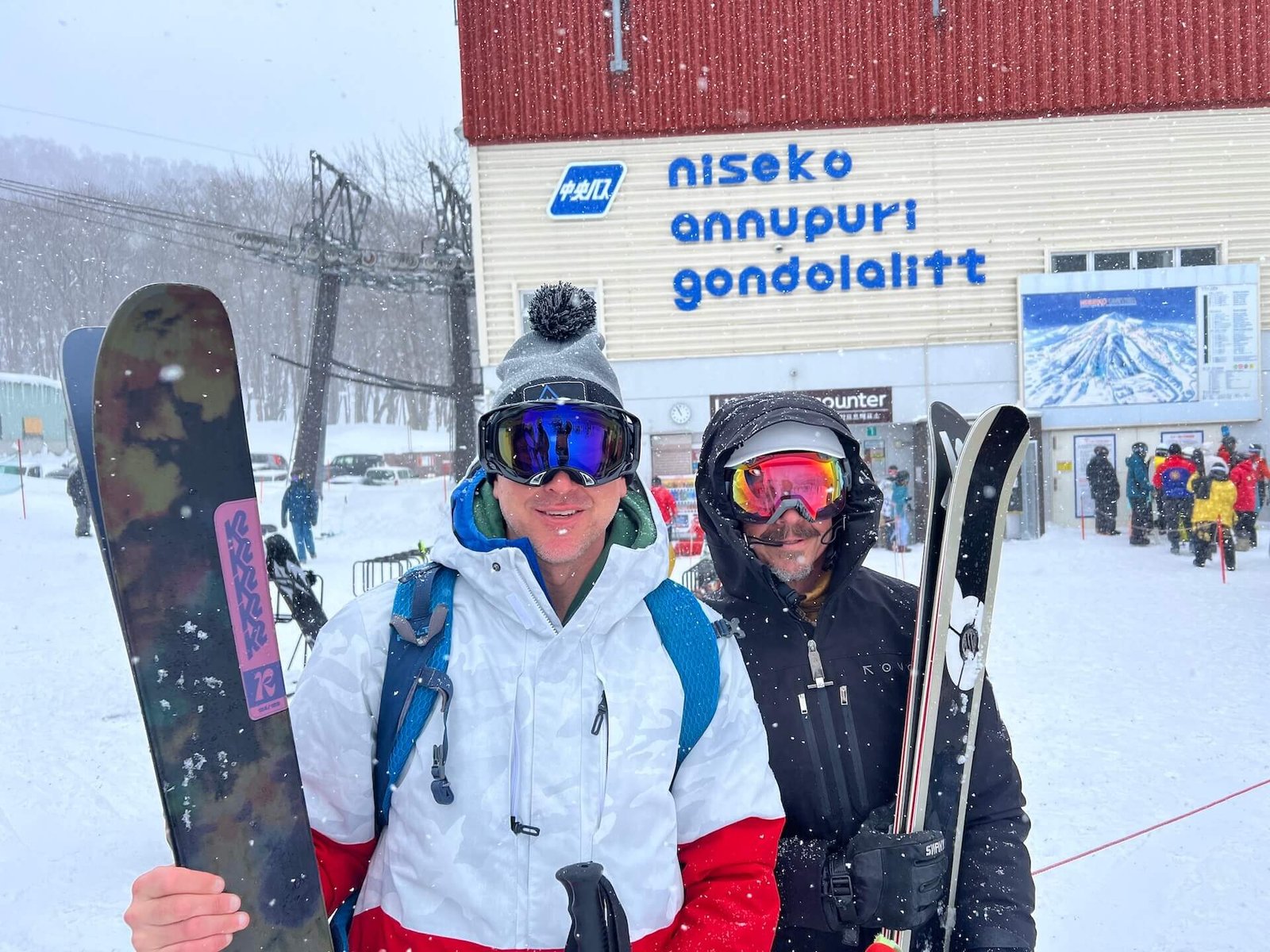
It took a bit of a leap of faith to rent from Rhythm Japan on my first visit, but once they set me up on a pair of K2 Pontoons, the same skis I had been skiing back home in Colorado, I knew I was in good hands. On my most recent trip, I booked with them again, this time on the updated version of that ski, the K2 Reckoners. They also let me choose my own ski length and binding settings, which isn’t something every rental shop allows.
I never ended up using it, but they also offer the option to swap skis during your trip if conditions change or if you want to try something different, including non-powder-specific models.
From a logistics standpoint, renting also made more sense for me. On my most recent trip, I was flying a budget airline from South Korea with strict baggage limits, and paying for additional luggage would have cost more than the rental package itself. Add in the extra hassle of hauling heavy gear through airports and onto buses, and renting was the easier call.
My brother and his friend flew over from Denver with looser checked baggage allowances and brought all of their own equipment. They seemed just as happy with that decision. In the end, it comes down to your own cost-benefit analysis and how you’re getting to Hokkaido.
The same logic applies to snowboarders. Hokkaido rental shops cater heavily to international riders, and the quality is there. Unless you have a very specific setup you refuse to part with, renting skis or a snowboard is an easy win for most people.
Ski Boots, The One Thing I’d Consider Bringing
If there’s one piece of gear I slightly missed having, it was my own ski boots.
Rental boots in Hokkaido are fine. They’re comfortable enough, functional, and completely usable for a week of skiing. That said, they’re still rental boots. They won’t match the fit, flex, or familiarity of boots you’ve already dialed in at home.
If you can fit your boots into your checked bag without blowing past weight limits, bringing them can be worth it. Boots matter more than skis when it comes to comfort and control, especially if you’re skiing multiple days in a row.
That said, this is a personal call. If baggage space is tight or you’re trying to travel light, renting boots in Hokkaido is not a disaster. Just don’t expect them to fit like a glove.
Poles, Helmets, and the Easy Decisions
If you’re renting skis or a snowboard, it usually makes sense to rent poles as well. There’s no real advantage to bringing your own unless you’re already checking a ski bag.
Helmets come down to personal preference and luggage space. They take up more room than people expect, and renting one locally is easy. Some people prefer their own helmet for fit or hygiene reasons, others don’t.
Either way, these are relatively simple decisions compared to skis and boots, and they don’t need much overthinking.
❄️ A Few Things to Think About Packing Ski Clothing for Hokkaido
I’m going to assume you already know how to dress for a day on the slopes. Hokkaido doesn’t require anything out of the ordinary, but the heavy snowfall and frequent wind do warrant some extra thought when you’re packing.
If you’re lucky, you’ll spend more time skiing deep snow in blizzard conditions than cruising groomers under blue skies, or maybe a mix of both. Outer layers that can handle wind and moisture should be in your bag, whether that’s a single insulated jacket or a layering system you can adjust throughout the day.
That’s part of the appeal of skiing Hokkaido in the first place. Planning your clothing so you stay warm and dry means you’re less likely to spend half the day ducking into shelters for tea and ramen when the Japow weather rolls in.
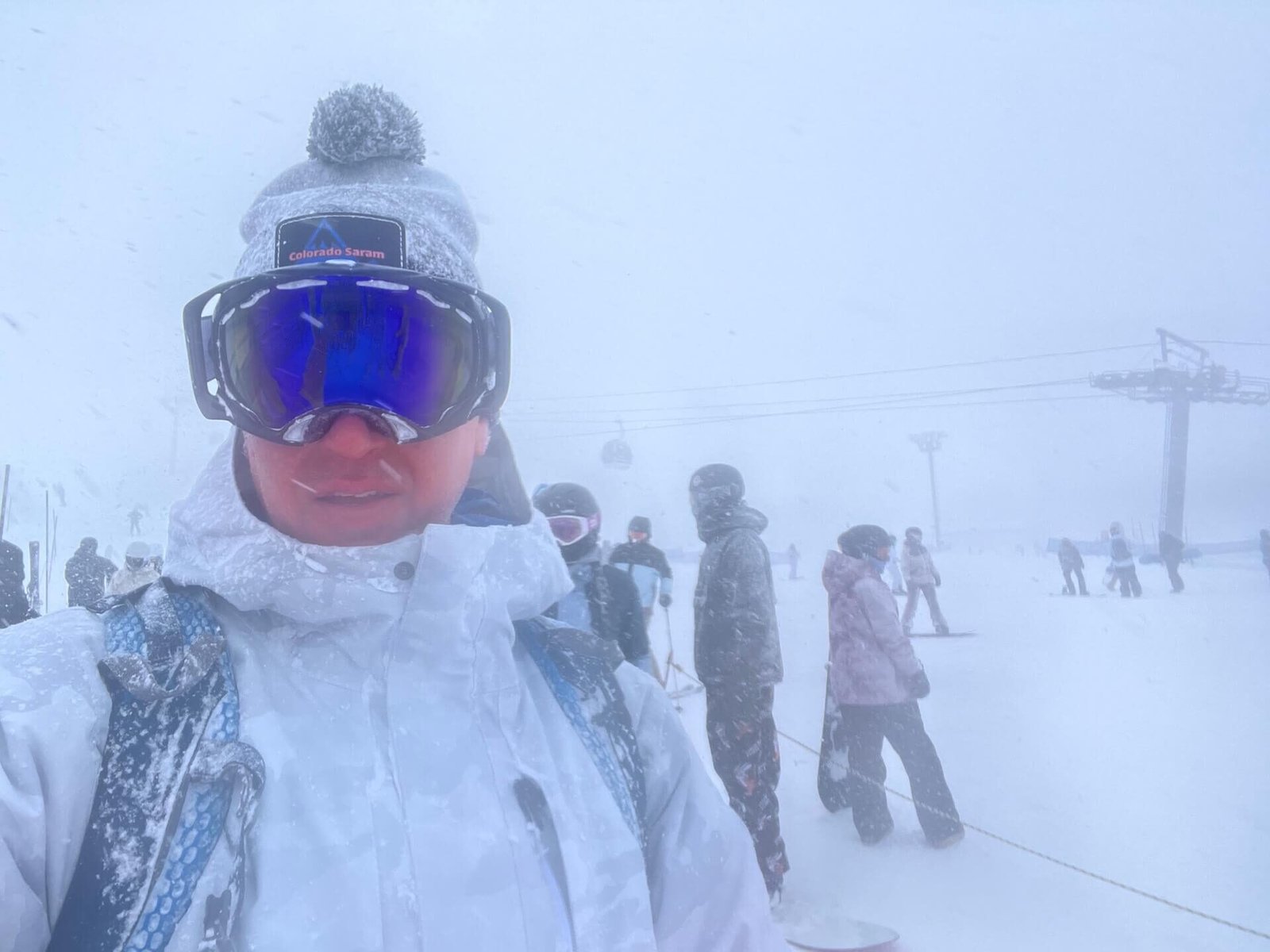
If you’re choosing between ski pants and bibs, I’d lean toward bibs. They do a better job of keeping snow out, especially if you fall or end up wallowing around off piste. The same idea applies to snowboarders, probably even more so.
I currently ski in oversized ski pants and usually tuck my hoodie inside to keep it from getting packed with snow, which works, but a good pair of shoulder-strapped bibs would be my choice if I were buying specifically for a Hokkaido trip. Do as I say, not as I do.
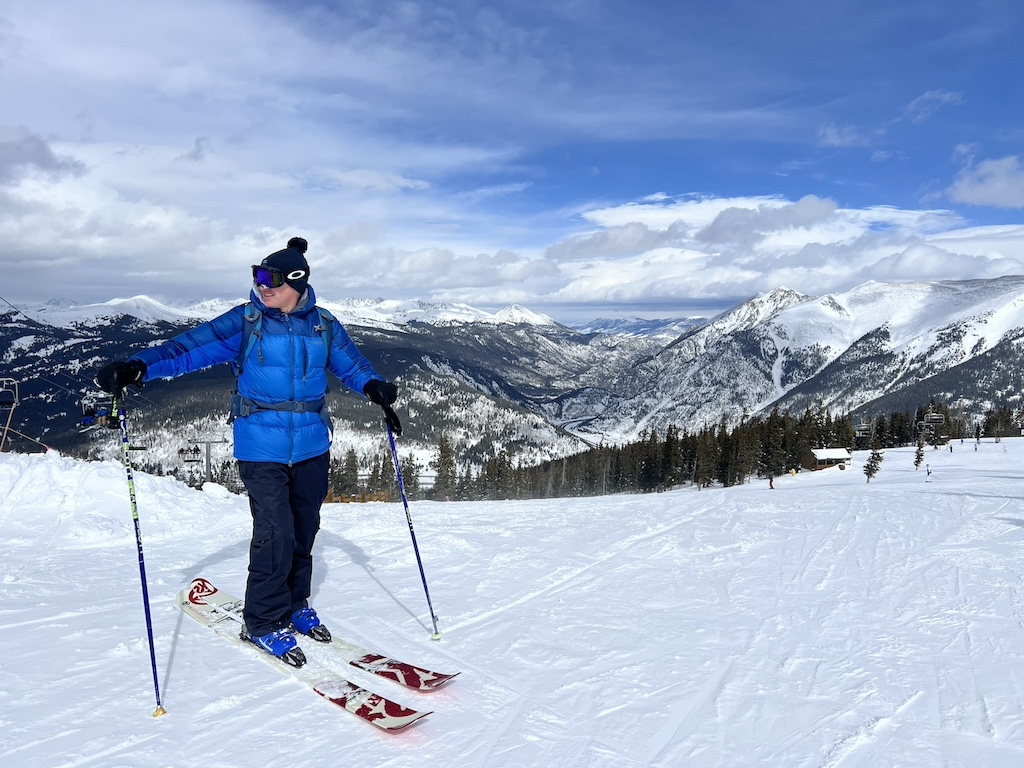
If you have the ability and experience to do so, you may want to venture off piste through the open, though not officially patrolled, backcountry gates. In Niseko, especially off the Hanazono side, it’s common to unclip and hike your way back toward the resort.
Depending on how far you drift down the ridge, those hikes can easily take 30 minutes, and sometimes closer to an hour. Even on the snowiest days, you’ll likely break a sweat.
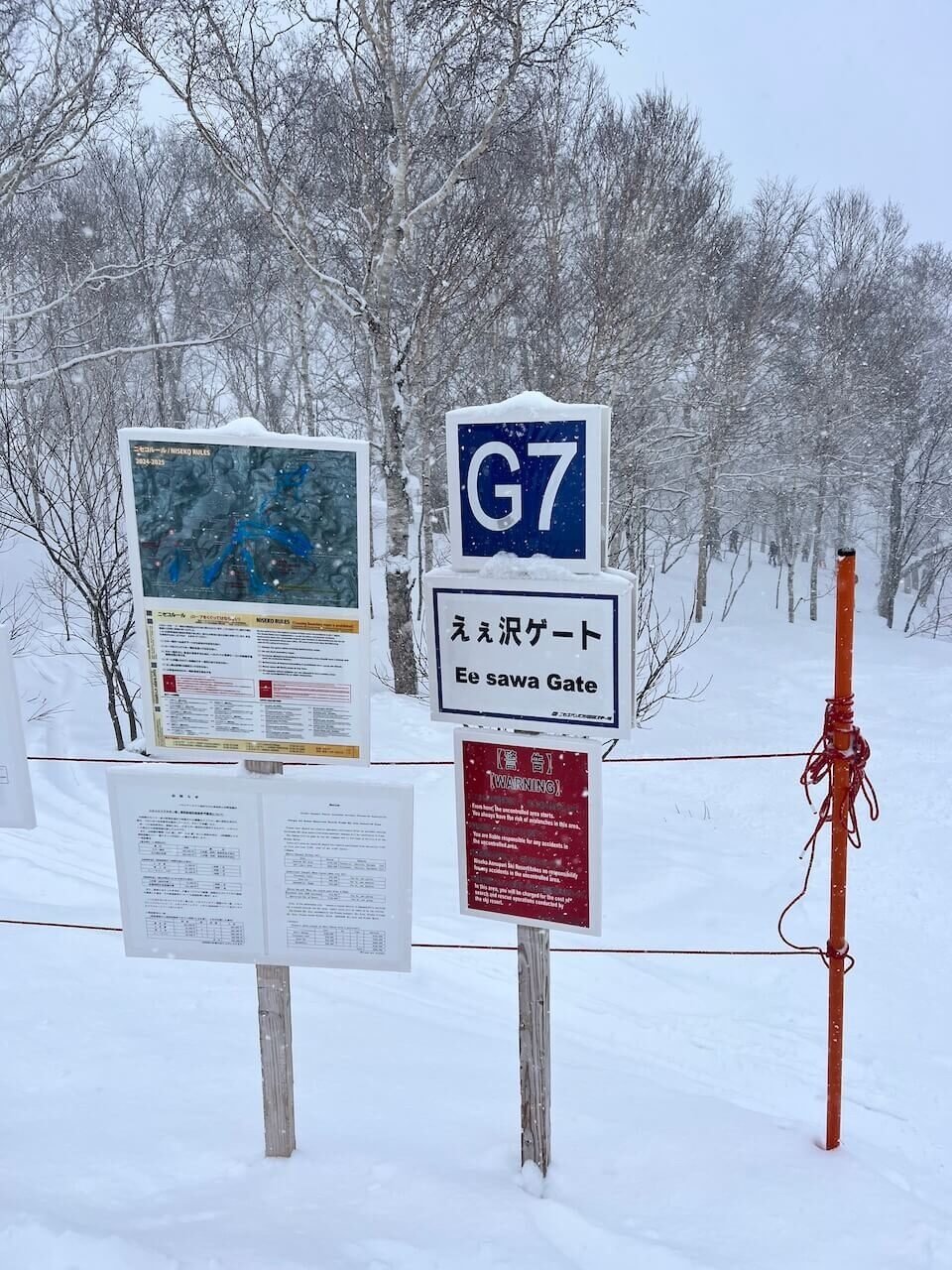
As you can see above, jackets with vents, layers you can adjust easily, and a backpack that can actually carry skis or a board without being miserable are all worth thinking about. I should also note that there’s been an uptick in people heading out there who probably shouldn’t. Don’t just follow tracks or crowds if you’re not comfortable in expert terrain.
This is less of an issue on the Annupuri side, where you can usually ski or ride your way out along tracked trails, though it’s still possible to end up in a gully or two if you’re not paying attention.
One last thing worth mentioning is drying gear overnight. Many places have drying rooms, but some don’t. After storm days, gloves, socks, and base layers often need time to dry. Having extra pairs can be a real asset. There’s nothing worse than heading out on a cold, snowy morning with already wet socks and gloves.
Some blogs would use this section to push the latest gear or sponsored clothing. Good news, those big-name brands haven’t come knocking on my door yet. So the most honest advice I can give is to bring what you already trust, think through wind, snow, and time spent hiking, and make sure your setup still works when conditions aren’t ideal, because they often aren’t.
👟 Off-Mountain Footwear and Town Days
One thing I didn’t think through very well on my first trip to Hokkaido was footwear off the mountain. I showed up with regular street shoes and figured that would be fine once I was done skiing for the day. It wasn’t.
Between deep snow, slush, and icy roads, my shoes and feet were soaked almost every time I stepped outside. Around Niseko in particular, the roads can be steep and extremely icy, and walking around in wet, smooth-soled sneakers was far from ideal.
On my most recent trip, I took that lesson into account and brought a pair of waterproof winter boots. They kept my feet dry and gave me solid footing on snow-packed and icy surfaces. You don’t need to overdo it, but I do recommend bringing footwear that’s warm, waterproof, and stable enough for walking around villages, parking lots, and town streets.
That same logic even applies in cities like Sapporo. On both of my visits, sidewalks and streets were often snowy, slushy, and icy, even away from the ski resorts. In some areas, the conditions felt nearly as wintery as what I saw up in the mountains.
However, since I was driving on my last trip, I also packed a lighter pair of shoes for getting behind the wheel. Driving in bulky winter boots can be awkward, especially on longer days, so having something easier to drive in was a welcome option once I was off the icy roads.
Don’t overthink it, but this was the main packing takeaway from this guy wearing soggy Vans on the streets of Sapporo back in 2014.
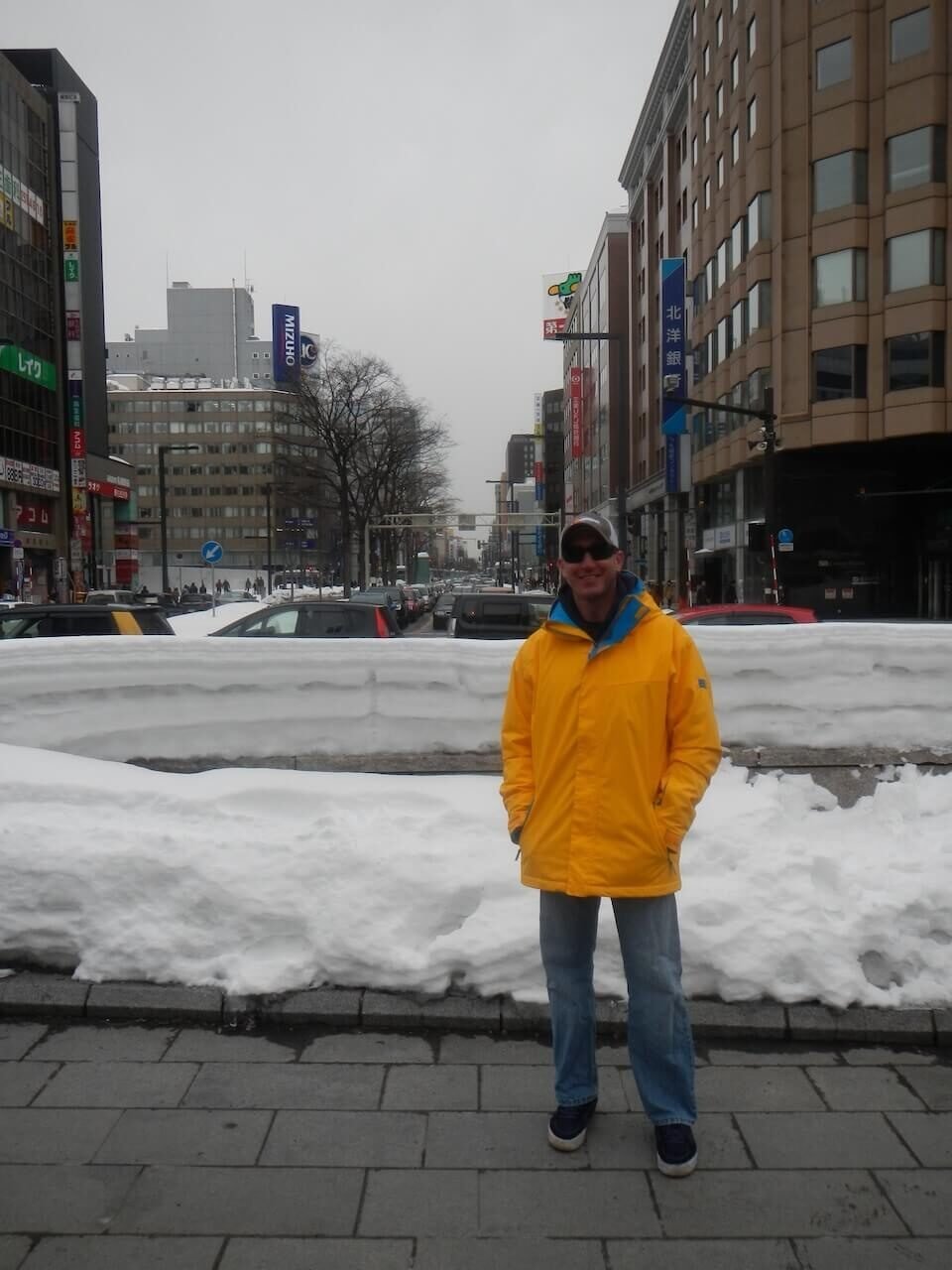
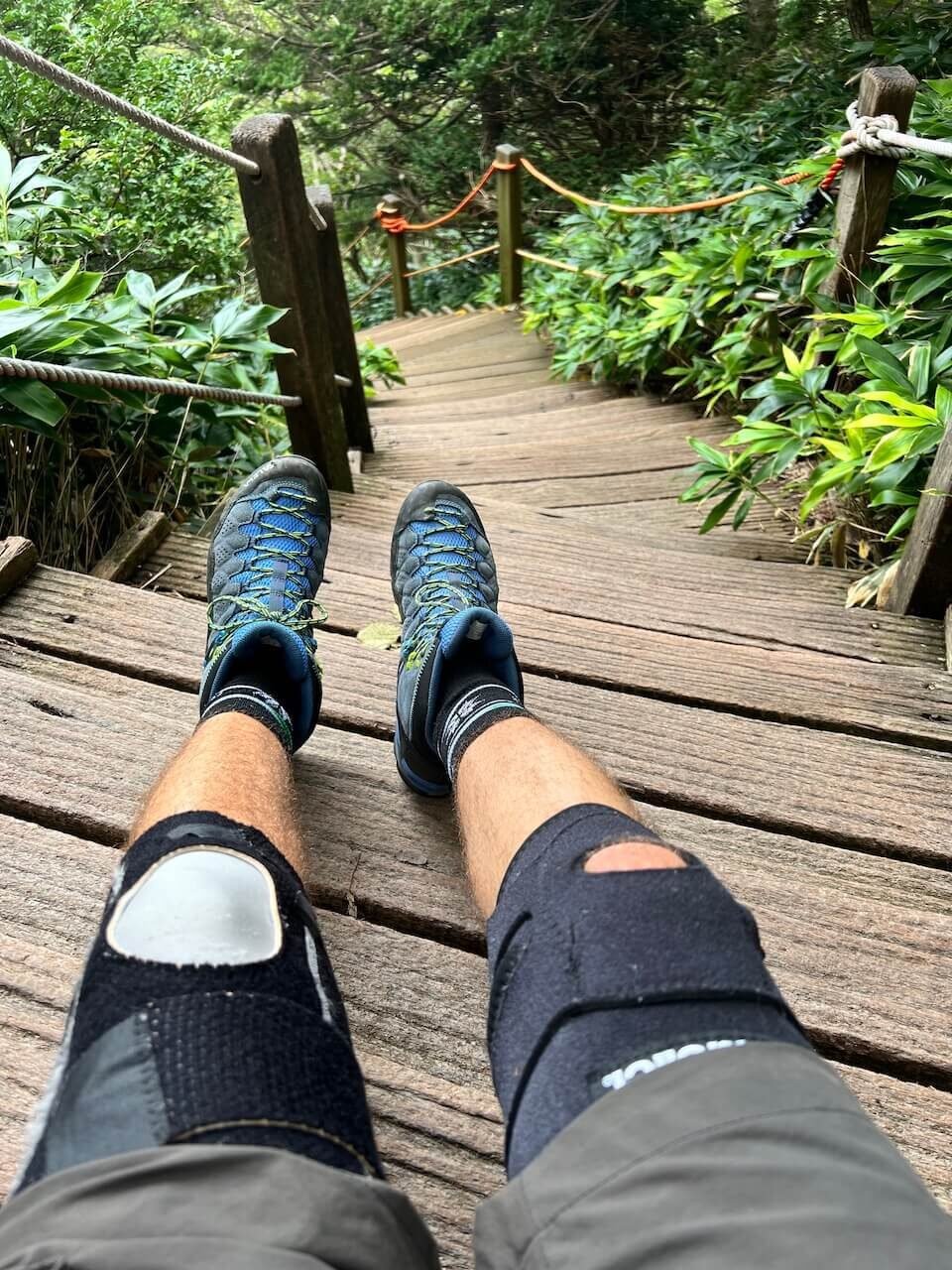
My advice: bring something that keeps your feet dry and gives you traction, and consider a second, lighter option if you’ll be spending time driving.
🚗 Packing Differences, Renting a Car vs Trains and Shuttles
How you plan to get around Hokkaido ends up influencing packing more than people sometimes realize.
If you’re renting a car, you have a lot more flexibility. Extra bags are easier to deal with, wet gear can be tossed in the trunk at the end of the day, and you don’t have to think as hard about consolidating everything into one or two manageable pieces. This is especially noticeable after storm days, when boots, gloves, and layers are soaked and you’re not carrying them onto public transport.
If you’re relying on trains, buses, or resort shuttles, packing lighter becomes more important. Ski bags, boot bags, and oversized suitcases get old quickly when you’re moving through stations, loading buses, or navigating crowded platforms. This is where renting skis or a snowboard locally starts to make even more sense, and where keeping your luggage simple pays off.
Neither approach is right or wrong, but they do lead to different packing tradeoffs. Before you lock in what you’re bringing, it’s worth thinking through how you’re actually getting from the airport to your accommodation, and how often you’ll be moving around once you’re there.
If you want a deeper breakdown of transportation options and how they compare, I’ve covered that in more detail in my Hokkaido transportation guide, which I’ll link below.
🔌 Electronics, Documents, and Small Things That Are Easy to Forget
This section is less about gear and more about the small things that can quietly derail a trip if you don’t think about them ahead of time.
Japan uses the same Type A outlets as the United States, so if you’re coming from the U.S., you won’t need a plug adapter. Travelers from most other countries will. It’s a small detail, but one that’s easy to overlook if you’re juggling chargers, camera gear, and battery packs.
On the camera front, I brought a GoPro on my most recent Hokkaido trip and was glad I did. I didn’t fully unlock its potential, that part’s on me, but having something more capable than a phone camera was worthwhile, especially on deep snow days. I’ve also been tempted by the Insta360, but decided my GoPro was more than enough for now. Either option pairs well with a phone if you want to capture more than just quick clips.
If you hold a multi-resort pass, double-check what it covers in Japan and bring the physical pass with you. At the time of writing, parts of Niseko are included on the Ikon Pass, and Rusutsu has partnered with the Epic Pass in recent seasons. Coverage, blackout dates, and access rules can change, so it’s worth confirming details before you go rather than assuming your pass will work everywhere.
One thing that still catches some people off guard in Japan is how often cash comes into play. Credit card acceptance in Japan has improved, and lift tickets can usually be purchased online with a card, but cash is still common, especially in smaller restaurants, bars, and local spots. Plan to carry some yen and make sure your banking setup won’t surprise you with fees or access issues.
If you’re planning to drive, an International Driving Permit is required. It’s cheap, easy to get in advance, and absolutely necessary. Forgetting it means you won’t be driving at all, no matter what your rental confirmation says.
Connectivity is also worth thinking through. You’ll want data on the mountain, in town, and especially if you’re driving and relying on navigation. I’ve been using Airalo eSIMs on recent trips and have had good experiences with them. My brother just used roaming through his home carrier. Either approach works, just don’t assume you’ll figure it out on arrival. Even with the car set to English, navigation in Japan can be confusing without reliable data.
None of this is complicated, but these are the kinds of details that are easy to gloss over while focusing on skis, snow, and powder forecasts. Sorting them out ahead of time makes the rest of the trip feel a lot smoother.
📋 Quick Packing Checklist
This isn’t meant to be exhaustive. It’s a quick-reference list based on the decisions and lessons covered above, not a reminder to pack socks (although a couple of pairs of solid ski socks should be on your list).
Ski Gear (Bring vs Rent)
- Skis or snowboard (if bringing your own)
- Ski boots (worth considering bringing)
- Poles (if bringing skis)
- Helmet (personal preference)
- Ski lock (optional, but handy around base areas)
Ski Clothing (What You Already Own)
- Waterproof outer layers (jacket and pants or bibs)
- Mid-layers you can adjust or shed
- Multiple pairs of ski socks
- Gloves or mittens (consider backups)
- Goggles suitable for low visibility
- Backpack with ski or snowboard carry straps (useful for gate access)
Off-Mountain Footwear and Town Days
- Waterproof winter boots or shoes with traction
- Lighter shoes for driving or evenings indoors
- Warm socks for non-ski days
Electronics and Tech
- Phone and charging cables
- Power bank
- Plug adapter (if not coming from the U.S.)
- GoPro, Insta360, or other action camera (optional)
- Extra memory cards or batteries
- eSIM or roaming plan
- Offline maps downloaded (just in case)
- Car navigation backup (phone apps help)
Documents and Essentials
- Passport
- International Driving Permit (if renting a car)
- Credit cards
- Cash (yen)
- Ski pass (Ikon, Epic, Indy, if applicable)
- Travel insurance details
Miscellaneous but Useful
- Sunglasses for bright days
- Lip balm and moisturizer (cold and wind add up)
- Preferred toiletries (basics are easy to find, specifics less so)
- Reusable water bottle
📌 Final Thoughts
Packing for a Hokkaido ski trip doesn’t need to be complicated, but a little forethought goes a long way. Most of what you need, you probably already own. The bigger decisions tend to come down to what’s worth bringing from home, what’s easier to rent once you arrive, and how your transportation and lodging choices shape everything else.
Japan makes a lot of things easy, from rentals to convenience stores to getting around once you’re there. At the same time, winter conditions in Hokkaido are very real, both on and off the mountain. Thinking through those details ahead of time helps keep the focus where it should be once you arrive: skiing, riding, and enjoying the experience.
I’ve covered transportation, resort comparisons, itineraries, and planning details in other Hokkaido posts, and I’ll link those below if you want to go deeper. This guide is meant as a practical reference to sit alongside them.
If you’ve made it this far, hopefully there’s at least one thing here that saves you a bit of hassle once you’re on the ground. And if not, at least you won’t be wandering around Sapporo in soggy Vans wondering where things went sideways.
👉 Hokkaido Ski Tips 2025: How to Make the Most of Your Japow Trip
👉 The Perfect 5–7 Day Hokkaido Ski Itinerary (2025 Guide)
👉 Niseko vs Rusutsu: Which Hokkaido Ski Resort Is Better?
👉 How to Get From CTS to Niseko and Rusutsu: My Hokkaido Ski Transport Guide
🧭 Need Help Planning Your Trip?
Not sure where to stay, whether to rent a car, or how to compare lift passes? I offer free one on one planning support for independent travelers heading to Japan.
This is not a travel agency. It is just me using nearly two decades of Asia travel experience to help skiers build trips that actually work in real life.
👉 Request free ski trip help →
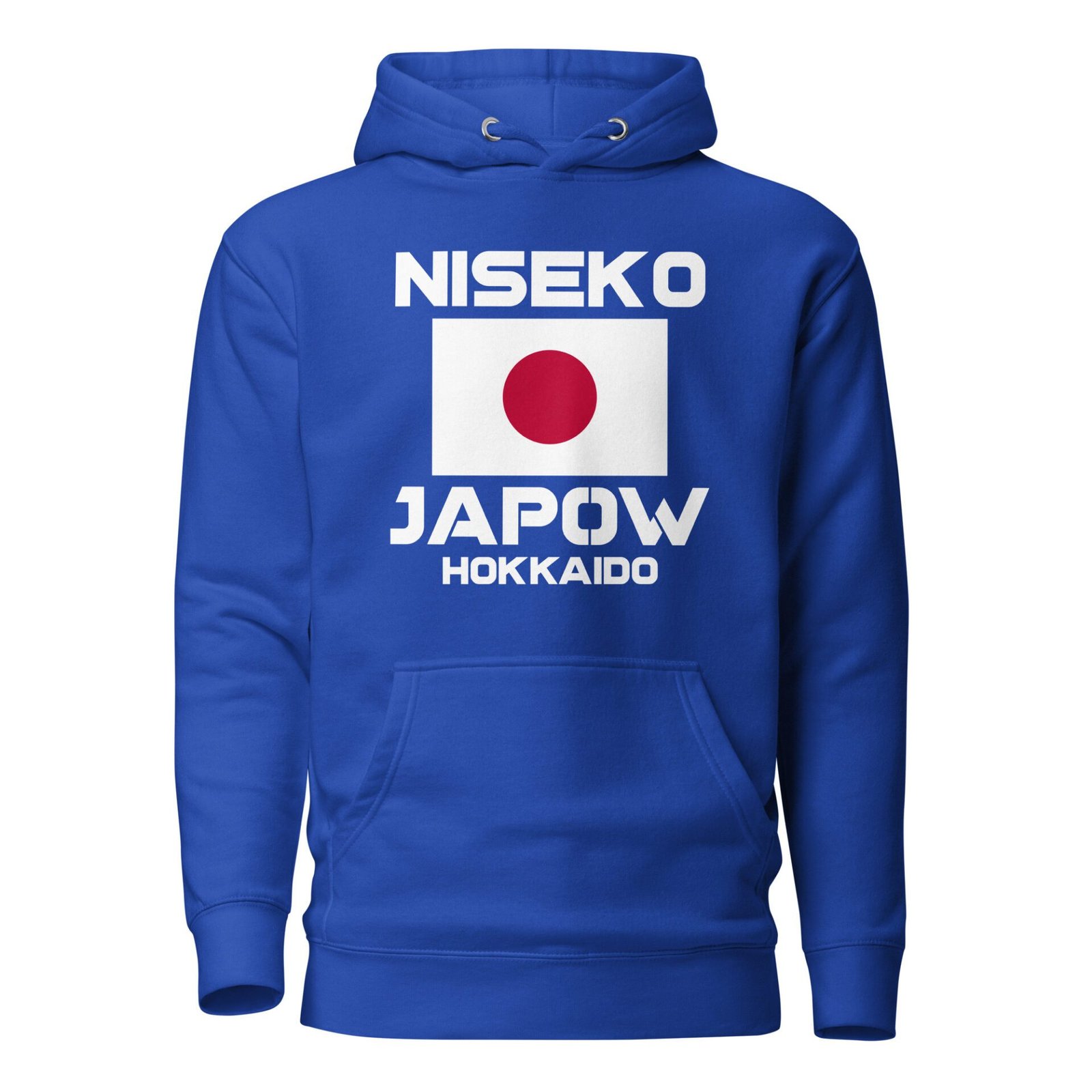
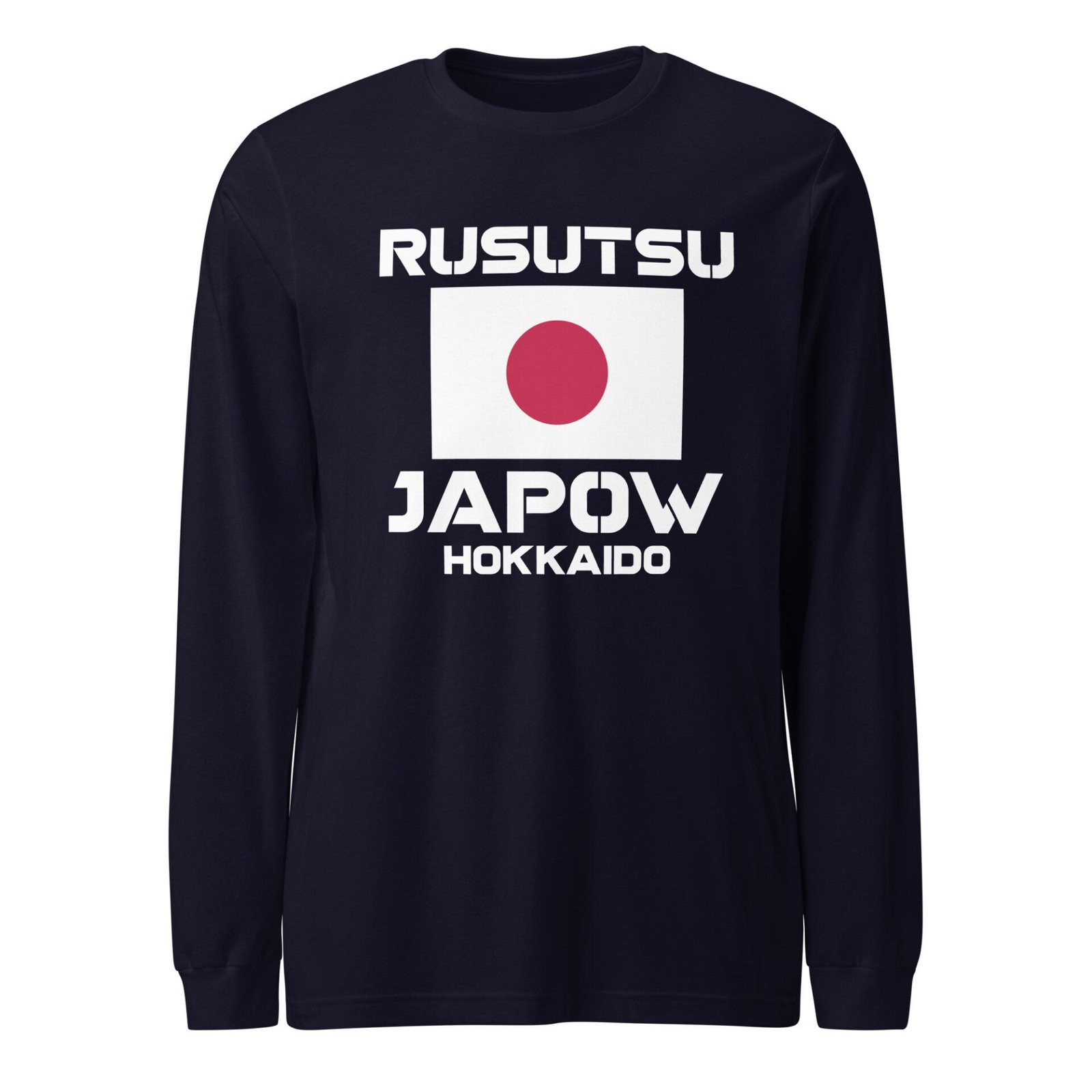
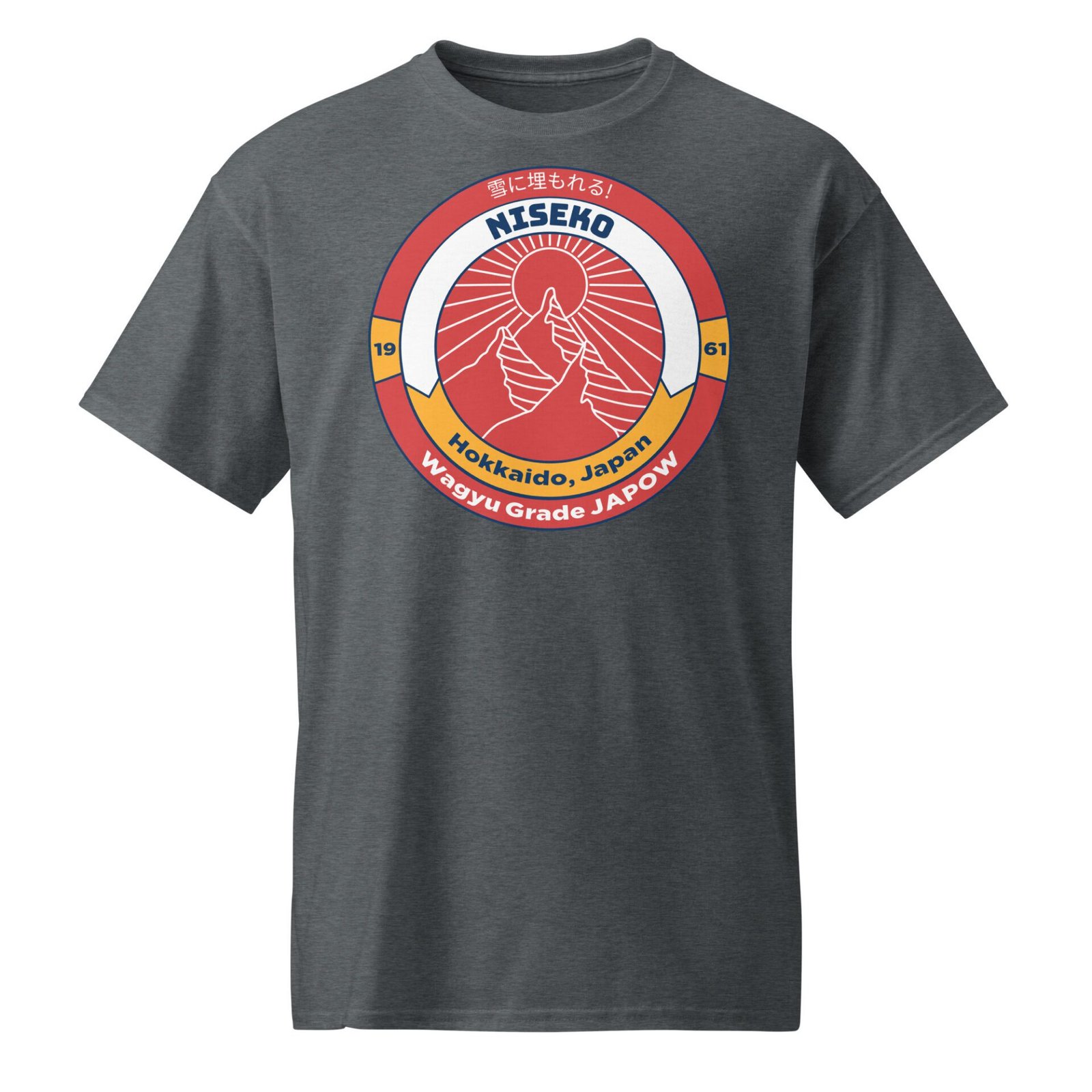
🇯🇵 Japow Apparel
It can be surprisingly hard to find ski themed designs in Japan that feel true to the Hokkaido experience. So I started creating my own Japow apparel line based on the trips I’ve taken here.
You can browse hoodies, hats, and long and short-sleeve shirts inspired by Niseko, Rusutsu, and the whole Japow scene.
👉 View the entire Japow Collection →
Ski travel has real risks. Injuries, weather delays, and lost gear can hit hard when you’re far from home. I use SafetyWing because it is affordable, works well for international trips, and covers recreational skiing at marked resorts under the base plan.
For sidecountry or backcountry adventures, look into their Adventure Sports add on or a more specialized policy. For most Japow trips, the standard plan is enough.