This Sapa 3 day itinerary follows a flexible route through the Muong Hoa Valley, Fansipan, and Cat Cat Village. It’s based on how we spent three days in Sapa, adjusting for weather, energy, and what felt worth doing.
We didn’t try to do everything. We kept the days manageable and adjusted as we went.
What follows is the exact route we took, along with what worked, what didn’t, and where I’d make a few changes if I did it again.
If you’re still deciding whether to explore Sapa on your own or with a guide, I break that down separately.
👉 Sapa Without a Tour: Can You Trek and Explore on Your Own?
Here’s how it played out.
What to Expect from This Itinerary
This is a fairly relaxed three-day itinerary that focuses on the valley, Fansipan, and one of the more accessible villages near town.
Most of it can be done at your own pace. We adjusted things as we went, mostly depending on the weather, which ended up shaping the trip more than anything else.
It’s not a deep trek into remote parts of Sapa, but it still gives you a good feel for the landscape without overcomplicating things.
Sapa 3 Day Itinerary at a Glance
| Day | Highlights | Notes |
|---|---|---|
| 🥾 Day 1 | Self-guided trek from Sapa to Lao Chai through Muong Hoa Valley | Easy to moderate walk with valley views and flexible timing |
| 🚡 Day 2 | Fansipan via monorail, cable car, and summit complex | Cable car access to Vietnam’s highest peak; weather can change quickly |
| 👘 Day 3 | Cat Cat Village loop walk and time around Sapa town | Short, accessible walk with shops, viewpoints, and a waterfall |
Where to Stay in Sapa
We based ourselves on the lower end of Sapa town for this trip, which made it easy to get to everything we had planned.
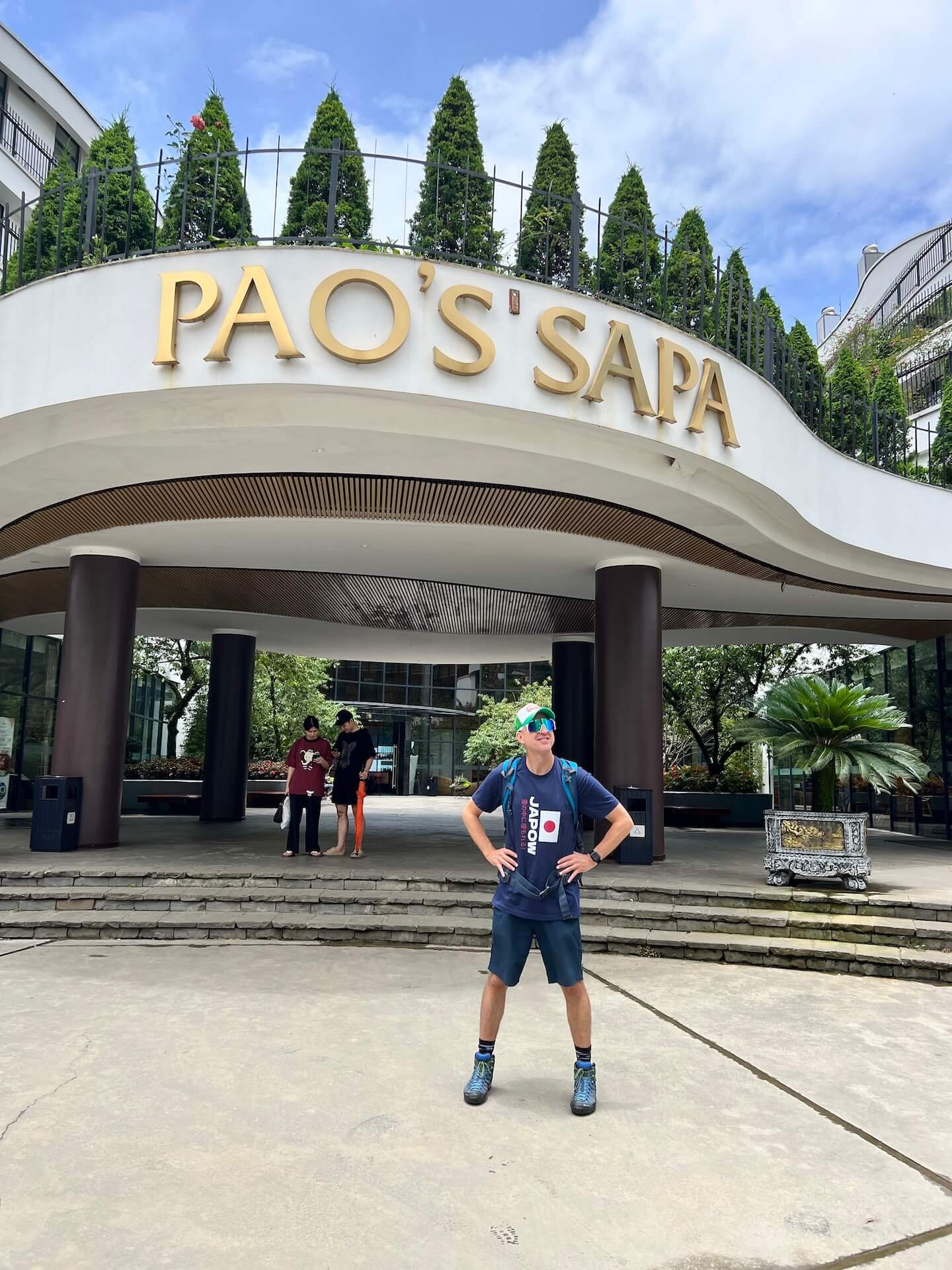
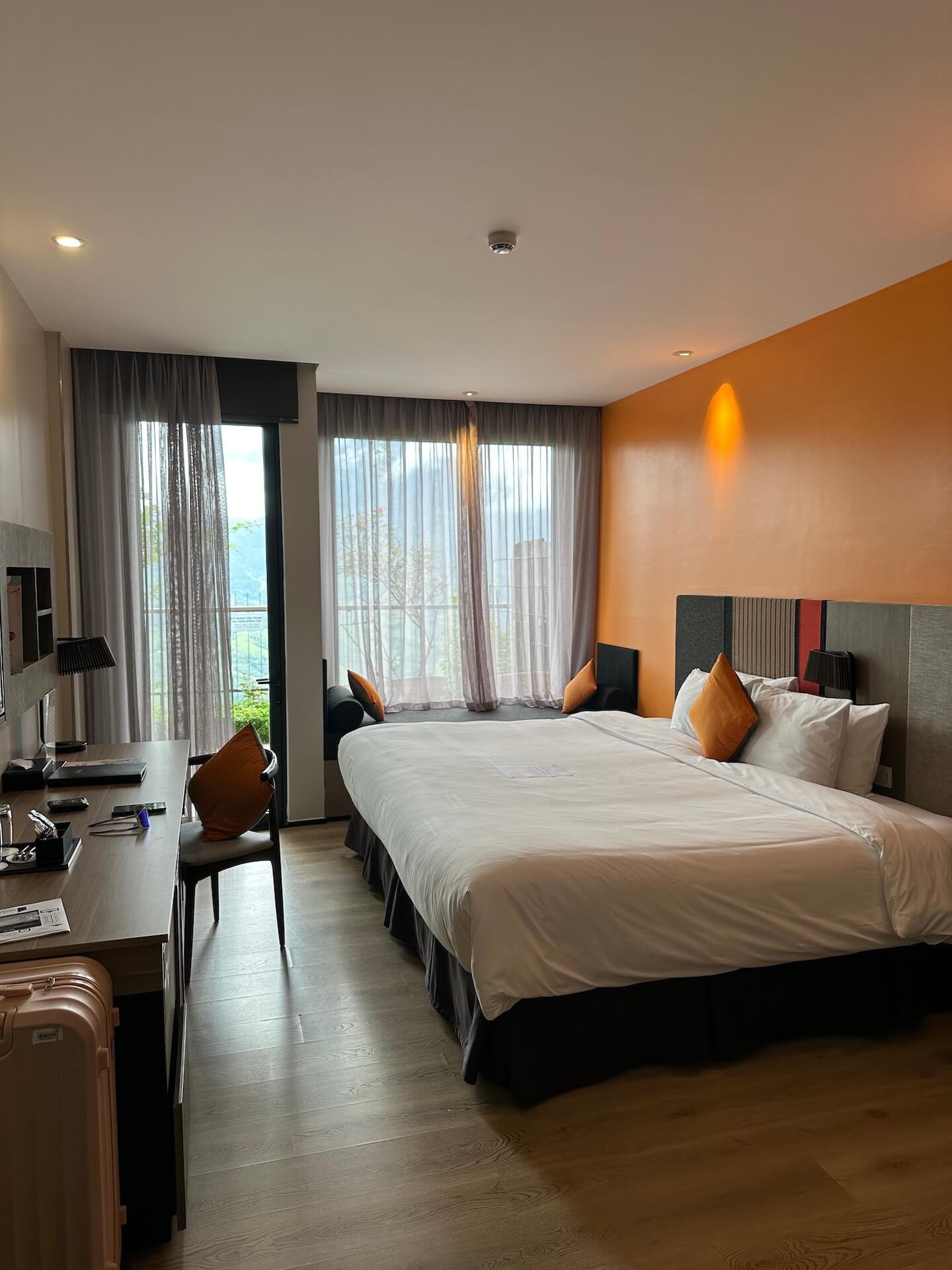
We stayed at Pao’s Sapa Leisure Hotel and had a really good experience there. The location worked well, the views over the valley were hard to beat, and the rooms and breakfast were both solid. It felt like a comfortable place to come back to after a long day out.
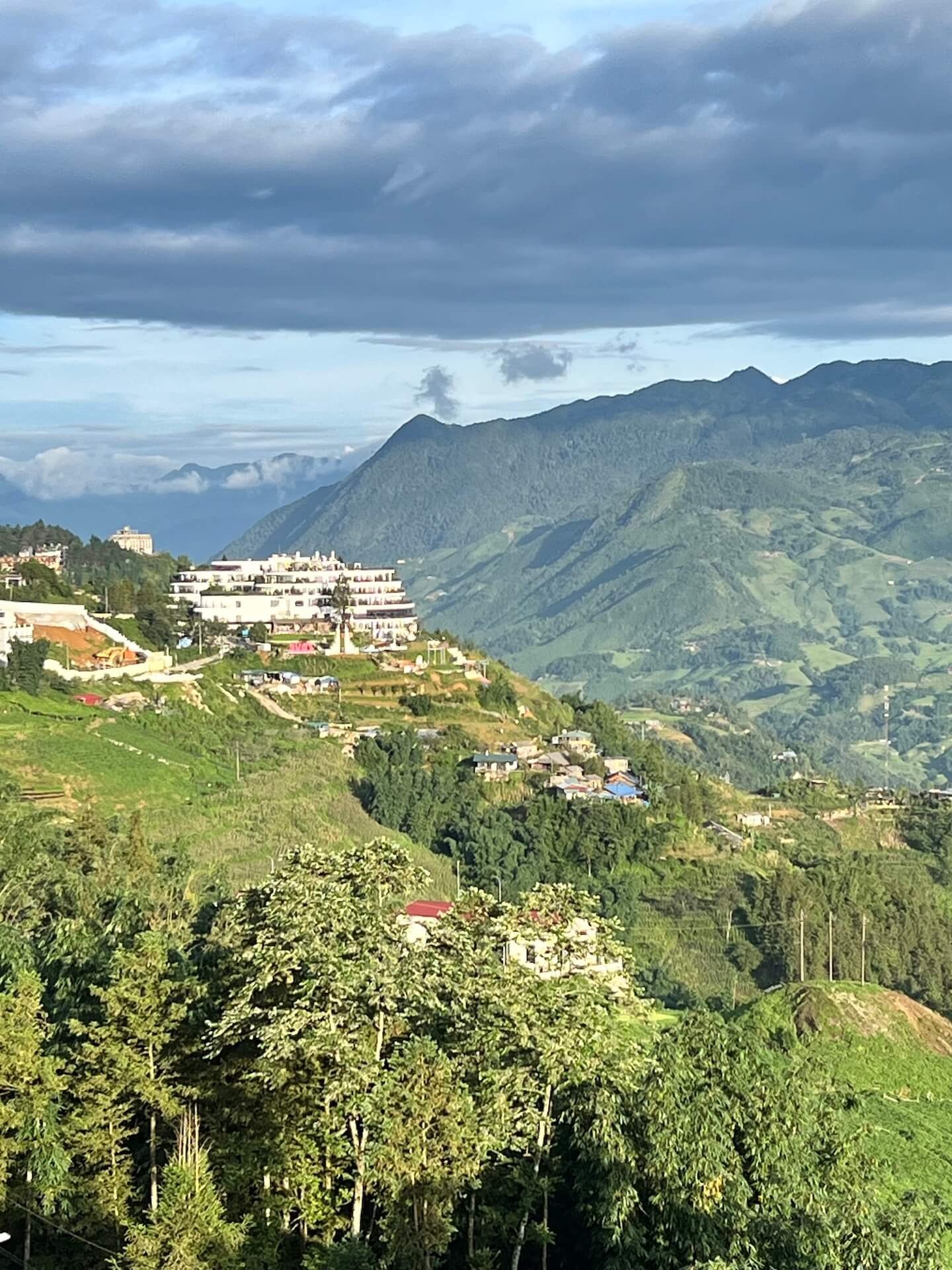
That said, where you stay in Sapa can change the feel of your trip quite a bit. Staying in town is more convenient, especially if you’re only there for a few days. You’ve got easy access to restaurants, transport, and places like Fansipan, but it can feel a bit chaotic at times.
If you’re looking for something quieter, there are a lot of homestays and small guesthouses out in the valley. That’s probably the better option if you want a slower pace and more time in the countryside, but it does take a bit more planning to get around.
If you want to see what’s available for your dates, Agoda usually has the best selection in Sapa, especially for hotels in and around town. You can also check VRBO if you’re leaning more toward a private stay or something outside the main area.
Day 1: Trek to Lao Chai Village
We started the day right from Pao’s, heading downhill along the main road toward the valley.
The first stretch wasn’t much to look at. Pavement, motorbikes, a few guesthouses, and the occasional offer from local guides. We followed the road for about 20 to 30 minutes until we reached the turnoff near Sapa Clay House.
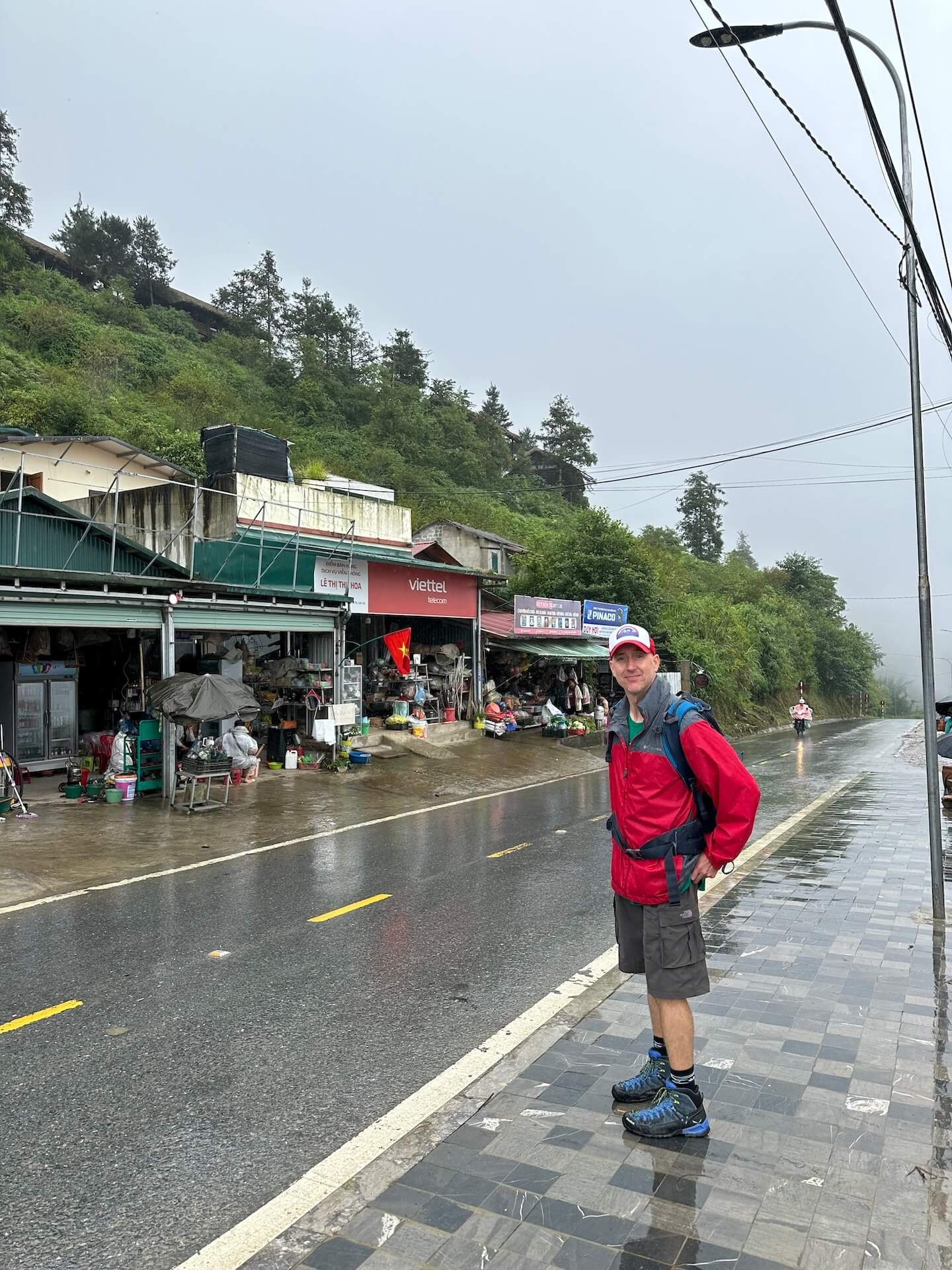
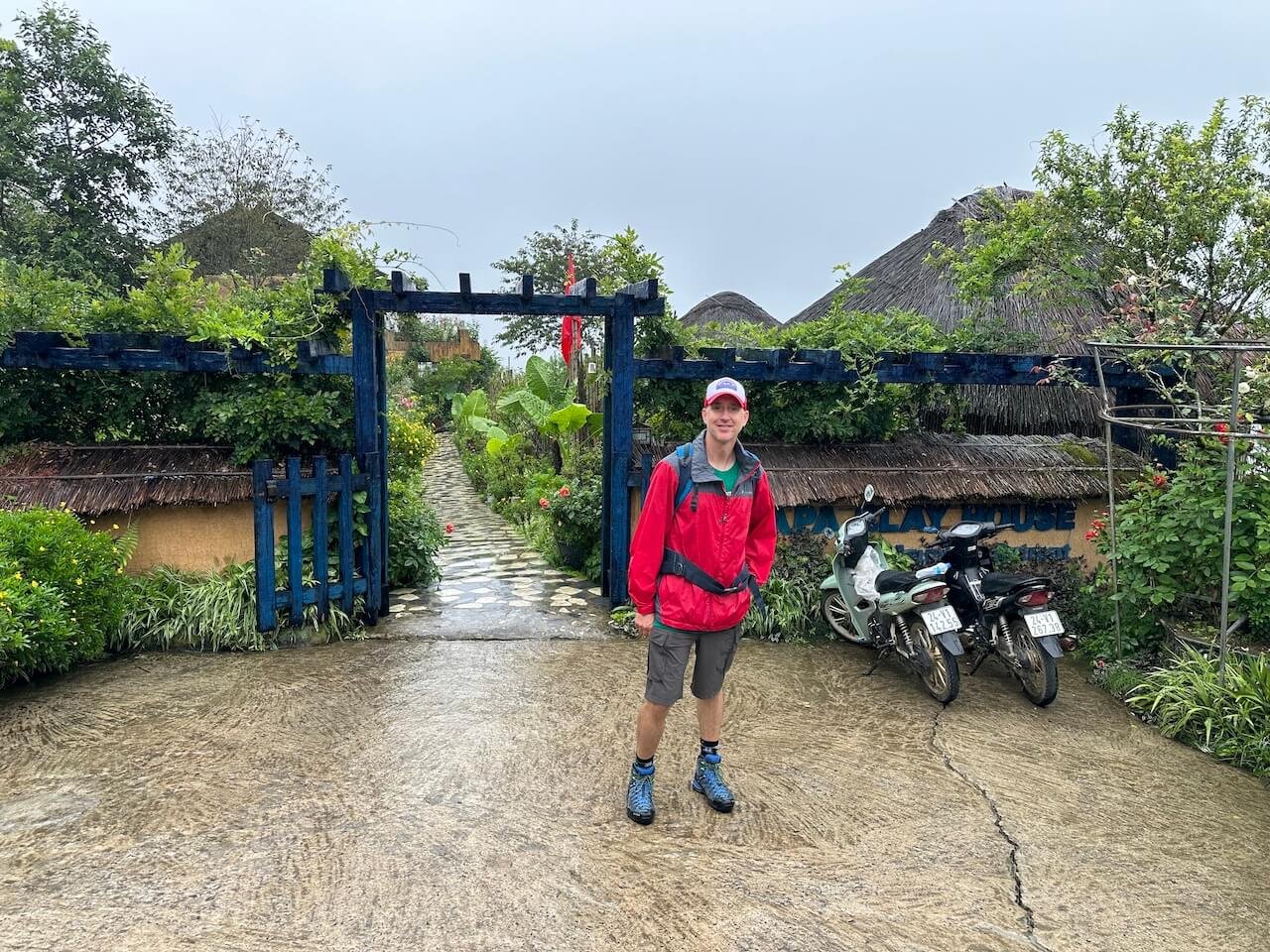
That’s where the trek really starts.
Once you leave the road, the change is pretty immediate. The views open up, the trail narrows, and it finally starts to feel like the Sapa you came for. Terraced hills, scattered homes, and a slower pace the further you go.
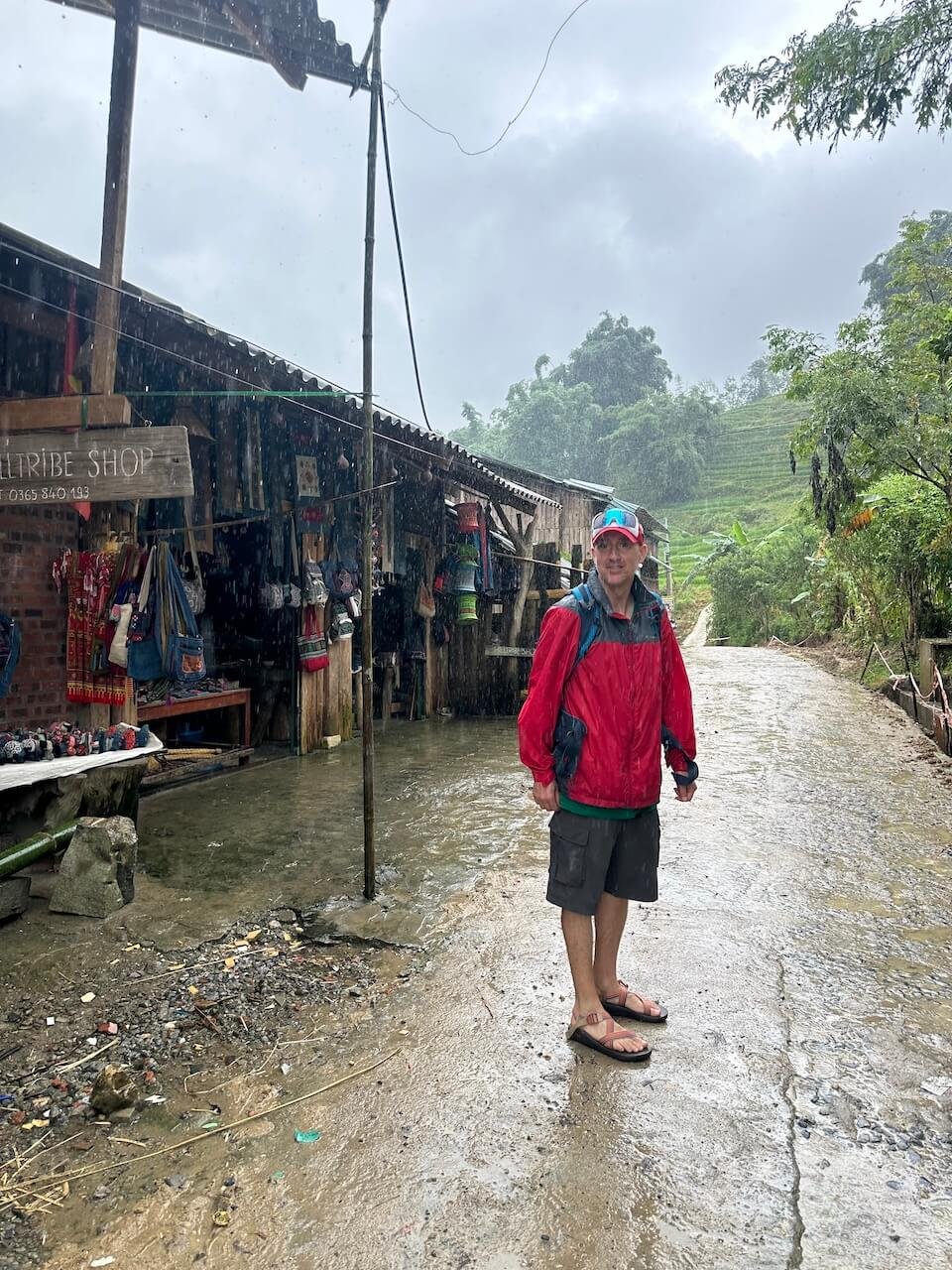
From there, we made our way toward Lao Chai without following a strict route. Some sections were paved, others cut through smaller paths depending on what looked passable that day. The rain kept us on more solid ground, but there are dirt trails through the rice fields if the weather cooperates.
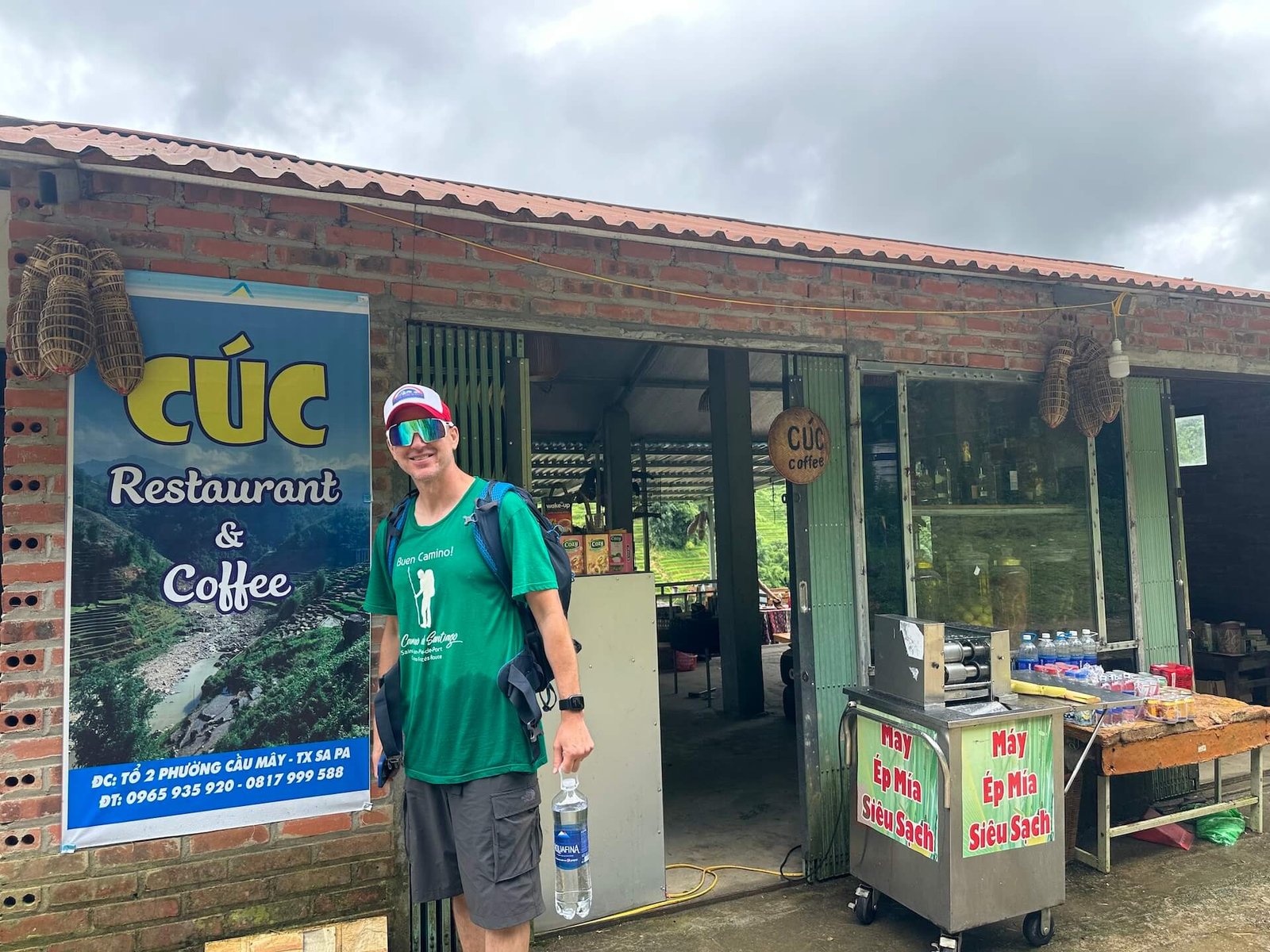
A few hours in, we stopped at Cúc Restaurant & Coffee. We showed up soaked and tired and ended up staying longer than planned. Hot food, a bit of cover from the rain, and a couple of very friendly dogs made it an easy place to reset before finishing the walk.
The final stretch into Lao Chai flattens out a bit. The village itself is a mix of open rice fields, small homes, and shops that cater to the steady flow of trekkers passing through. Some parts lean touristy, but it doesn’t take much to find quieter corners if you wander a bit.
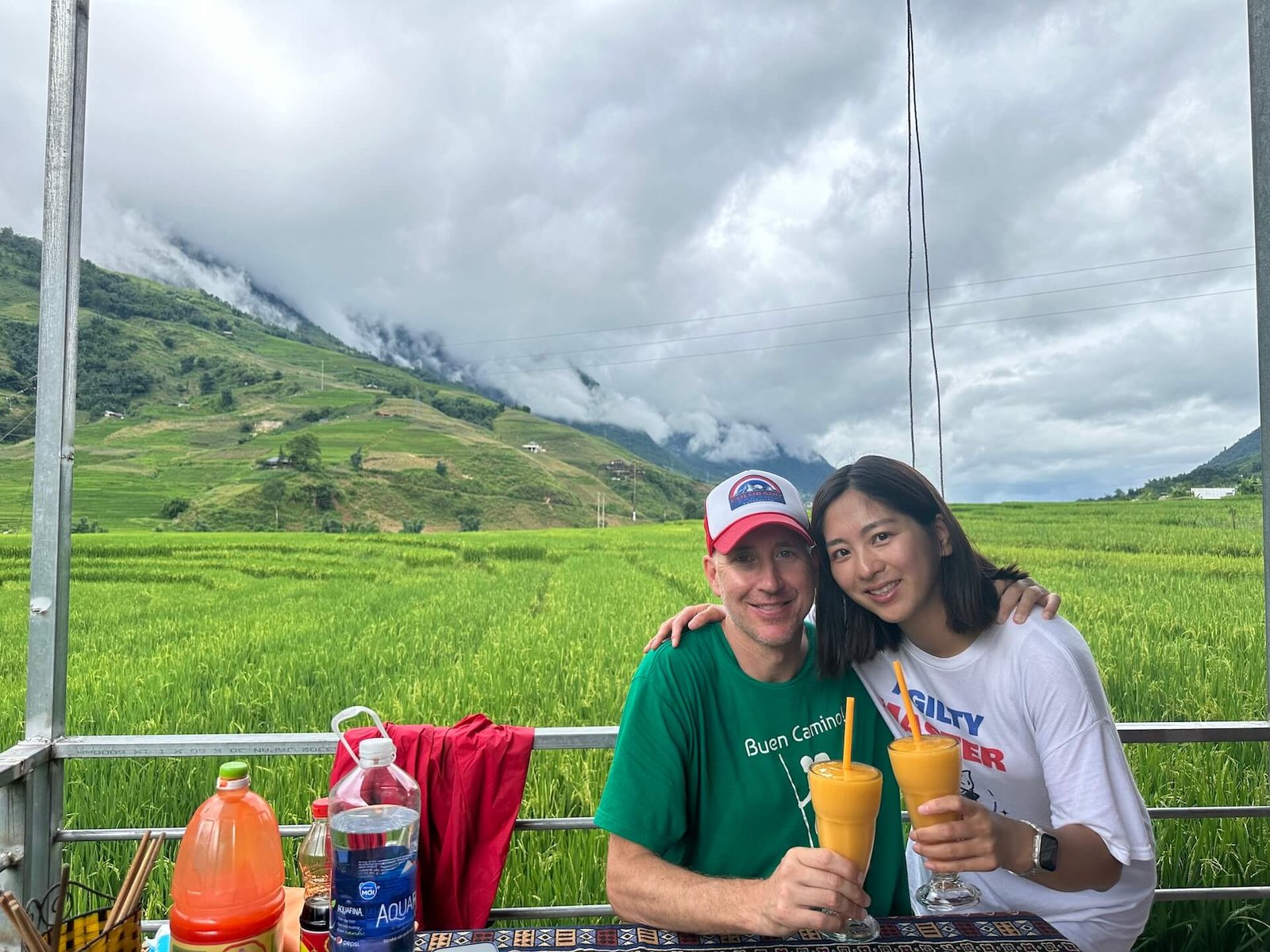
We ended the hike at a small open-air restaurant with views back over the valley. Mango smoothies, a break from the rain, and a place to sit for a while before figuring out what to do next.
Our Route to Lao Chai
We didn’t follow a strict route, but this map shows the general path we took from Sapa town down into the Muong Hoa Valley and into Lao Chai.
We started near Pao’s, left the main road near Sapa Clay House, stopped at Cúc Restaurant & Coffee, and finished in Lao Chai. Depending on the weather, you’ll either stick to the paved sections like we did or cut through the rice fields on smaller trails.

After the Trek
Once you reach Lao Chai, you’ve got a few options.
You can keep going toward Tả Van, head back to Sapa by taxi or motorbike, or stay overnight in the valley. We caught a ride back, but staying out there would be worth considering if you want a slower pace.

🎥 Exploring Lao Chai Village and Surrounding Areas
🚠 Day 2: Riding the Fansipan Cable Car to the Roof of Indochina
We saved our legs and took the scenic route to the top of Fansipan, Vietnam’s highest peak (3,147 m / 10,326 ft). And by scenic, I mean a monorail → cable car → funicular combo that gets you from downtown Sapa to the summit with minimal effort and maximum altitude.
On a clear day, the views are supposed to be jaw-dropping: rice terraces, jungle ridges, and the full sweep of the Muong Hoa Valley.
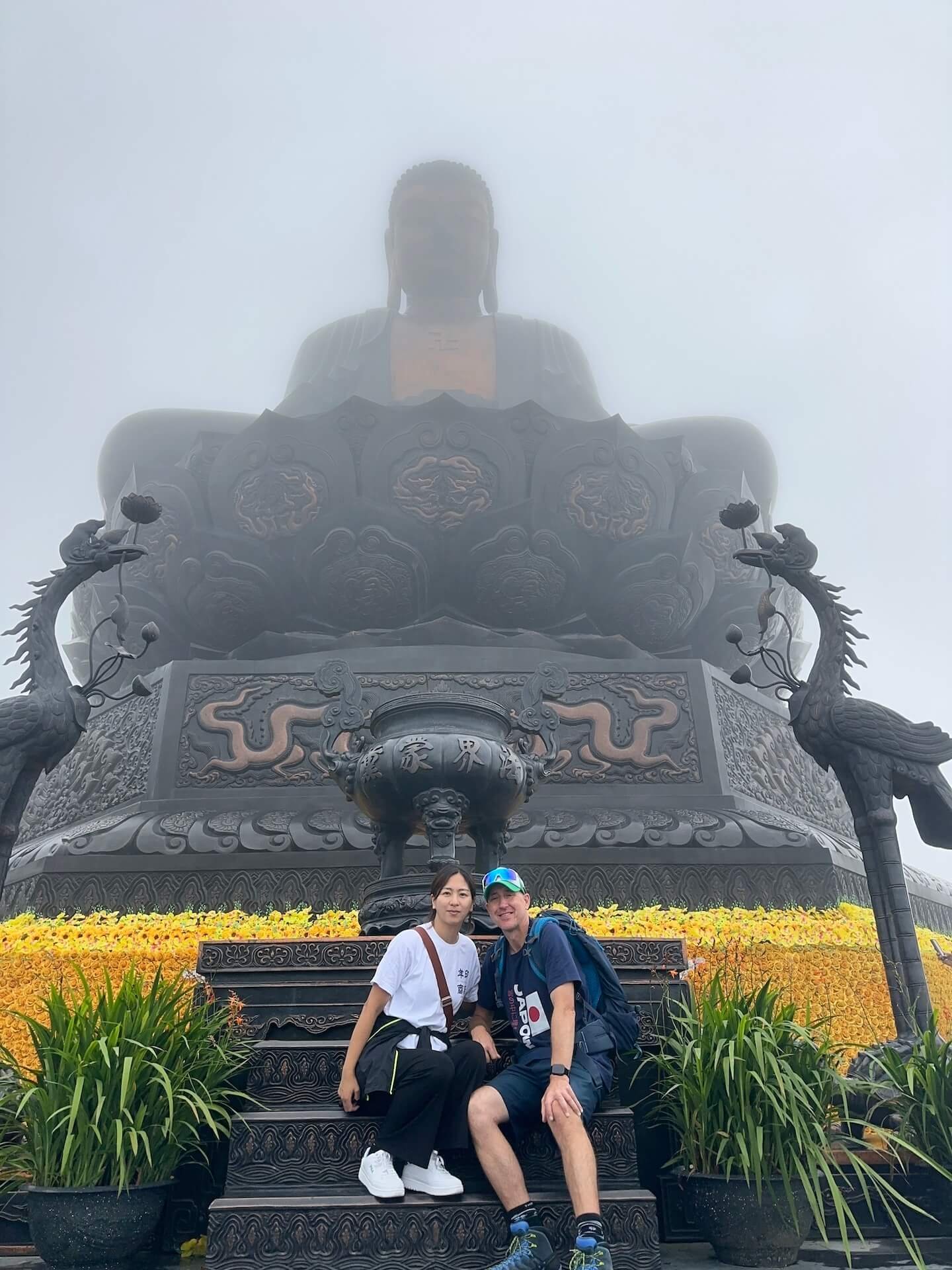
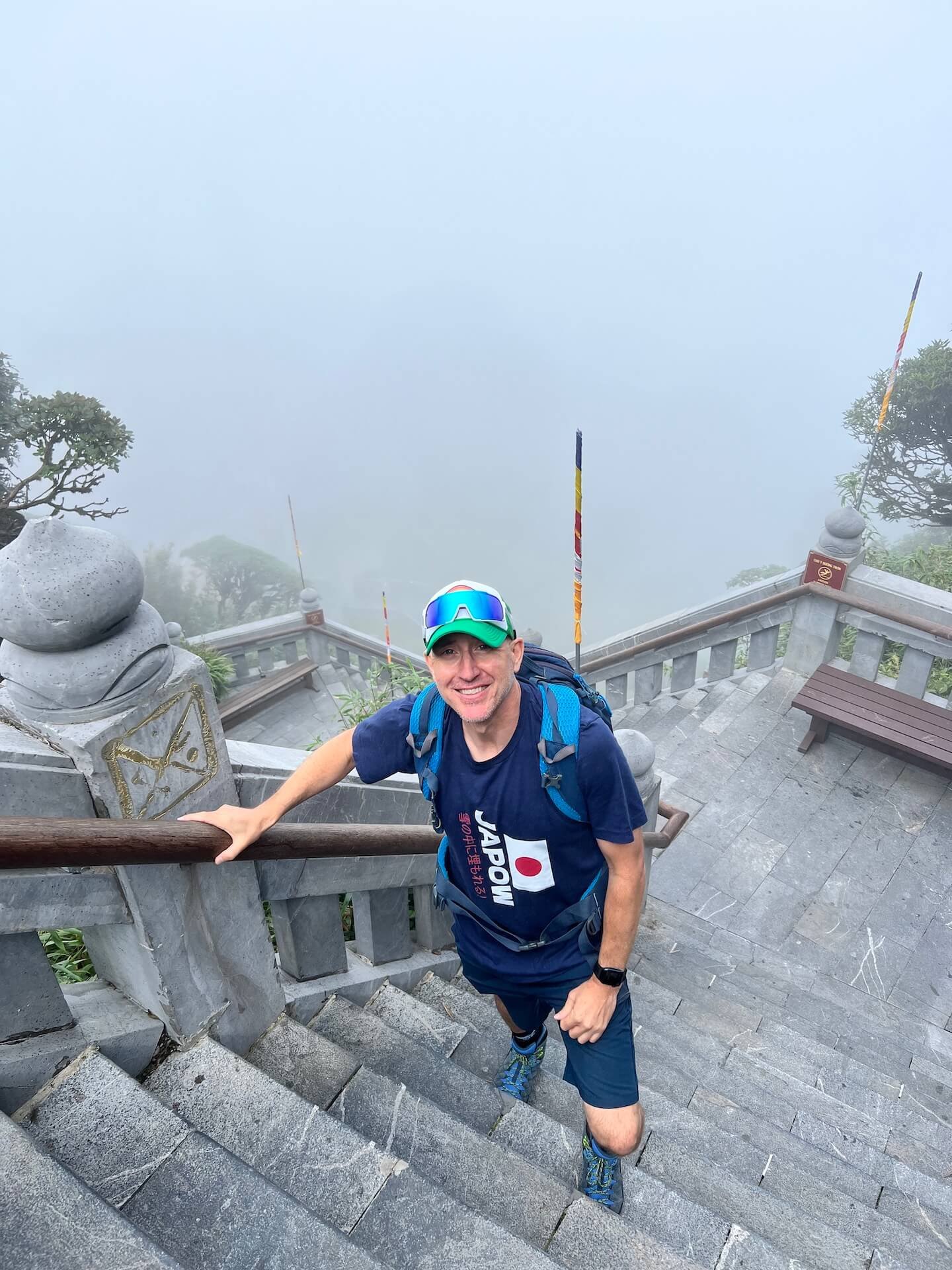
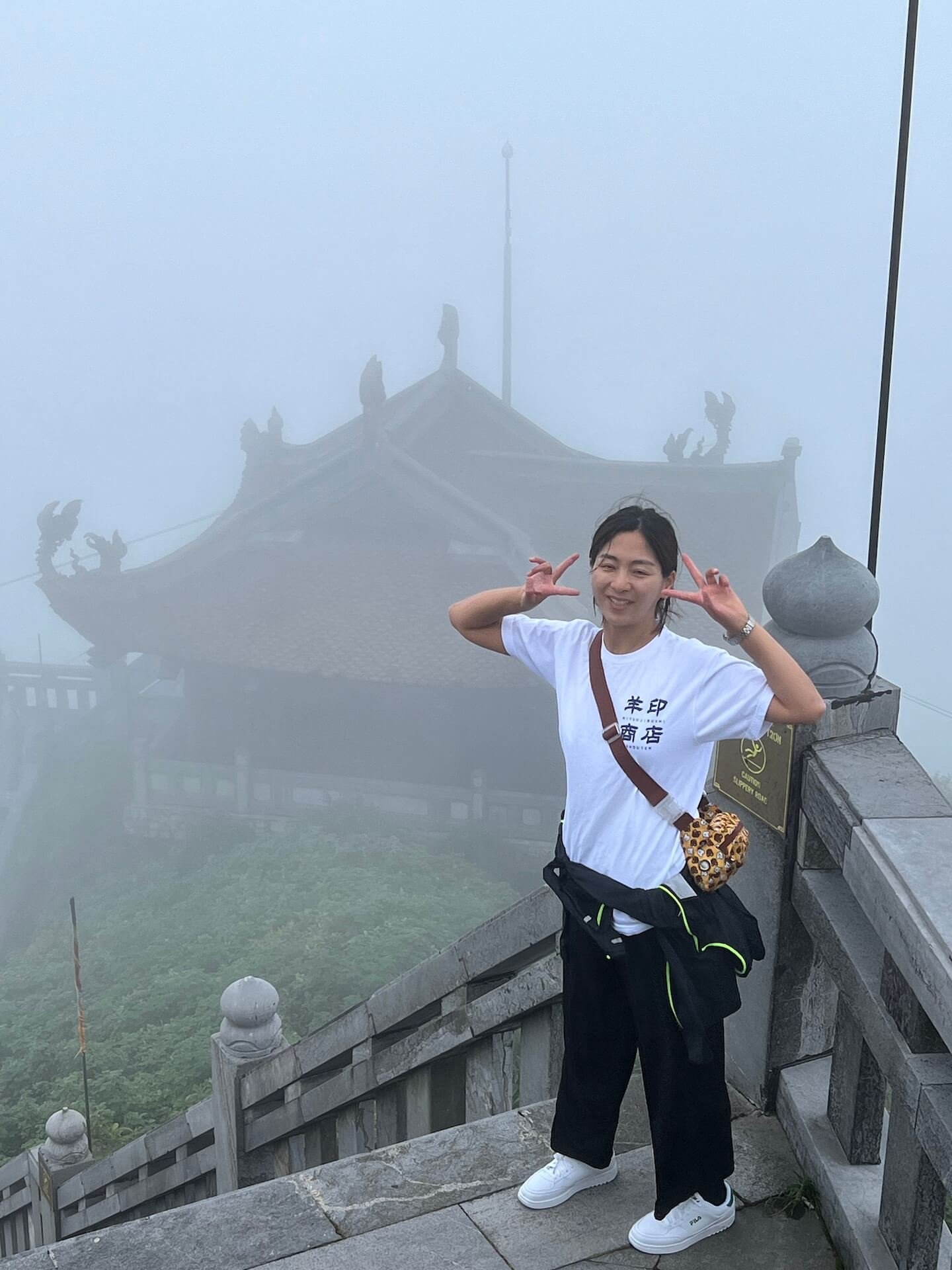
For us? Thick fog drifted between temples and statues, cloaking the summit in a hushed, mystical quiet. It wasn’t a bluebird day, but the clouds lifted just enough for a few dramatic summit shots. Honestly, the mist made it feel even more otherworldly.
🧭 How to Get to the Cable Car Station
Your journey starts inside Sun Plaza, the ornate yellow building at the heart of Sapa.
Step 1:
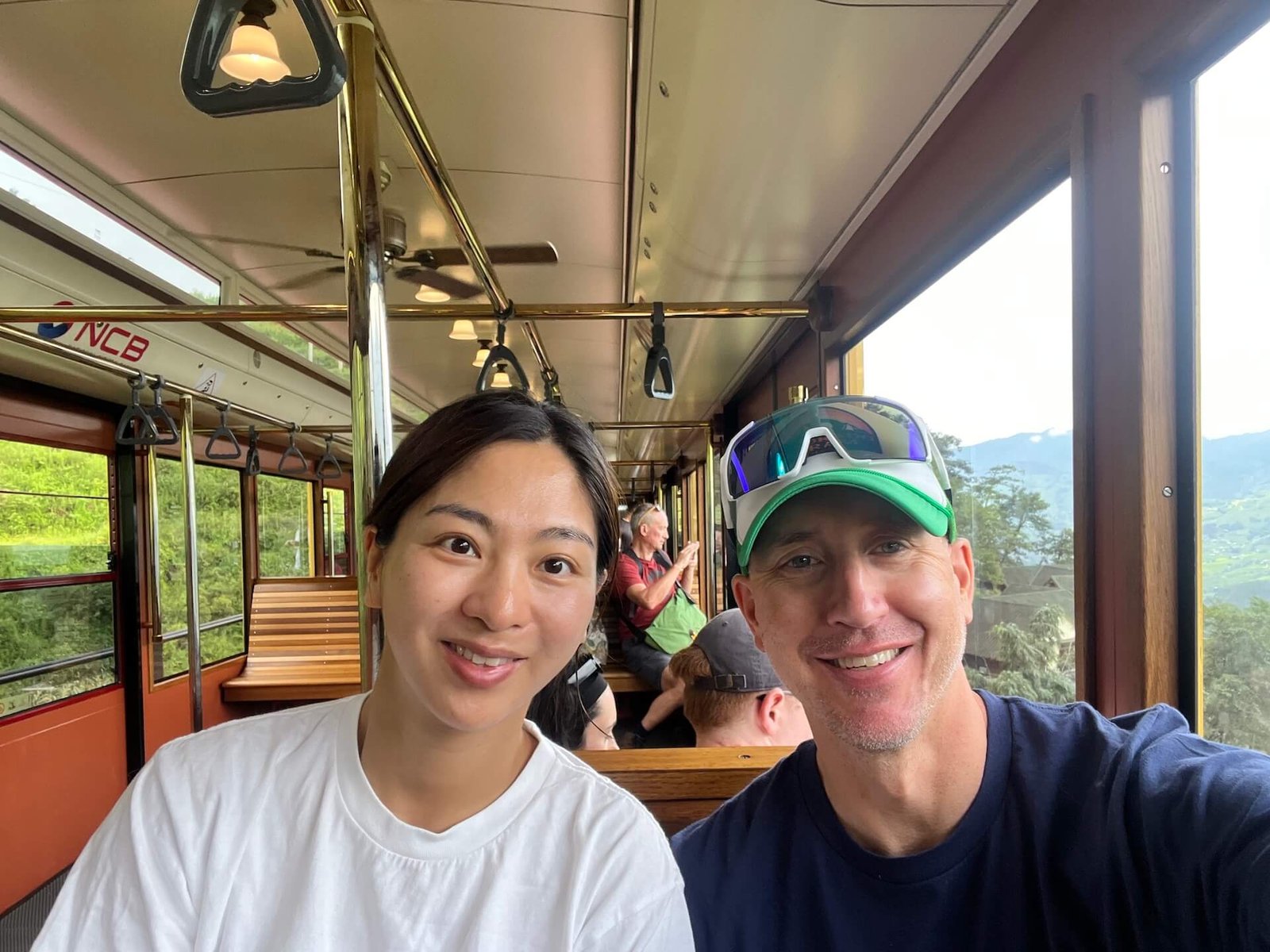
Ride the Muong Hoa Monorail
Hop on the short train through the hills. It’s a scenic intro that drops you at Muong Hoa Station, right near the base of the cable car.


Step 2:
Walk to the Fansipan Cable Car Terminal
This part gets a little confusing. After exiting the monorail, follow the signs for the cable car, not the main park exit. We took a wrong turn and had to be escorted back by security. Look for the upper-level walkway that leads toward the cable car entrance.
Step 3:
Board the Cable Car (15–20 min ride)
The ride itself is spectacular. You glide above the Muong Hoa Valley and into the clouds. It’s a smooth 15 to 20 minutes up, with views that shift from rice terraces to jungle ridgelines, depending on the weather.

Step 4:
Explore the Upper Station & Board the Funicular
When you arrive at the top cable car station, expect a serious drop in temperature. Take a moment to acclimate, layer up, and grab a few photos. Then head up the stairs and board the summit funicular. It takes you the final leg to the Fansipan summit complex.


Step 5:
Summit Walk & Photo Ops
Once you hop off the funicular, you’re nearly there. Walk up a few final staircases and you’ll reach the summit platform, where you’ll find the Fansipan marker, misty temple views, and plenty of great photo spots. If the clouds part, it’s unforgettable. If they don’t, it’s still pretty cool.

Step 6:
Walk Down Through the Temple Complex
We recommend skipping the funicular ride down and walking instead. The descent takes you through quiet walkways lined with statues, pagodas, and mountaintop shrines. It feels a bit like a high-altitude spiritual park. Just take it slow on the stairs, especially if it’s damp.
🎟️ Where to Book Fansipan Tickets
We booked the Fansipan Cable Car + Muong Hoa Monorail + Peak Funicular (one-way up) combo through Klook. It was fast, seamless, and didn’t require any printed vouchers. Just scan the barcode at each point: monorail, cable car, and summit funicular. Prices range from about $30 to $44 USD, depending on the package.
👉 Check availability and book your Fansipan combo tickets on Klook
🏔 What to Expect at the Summit
Even with the fog, the summit of Fansipan still delivered. The clouds gave it a surreal, float-above-the-world kind of feel. Once they parted, we even got a few dramatic shots by the summit marker.
Here’s what you’ll find up top:
- The Fansipan Marker – the classic photo op at 3,143 meters
- Buddhist Temples & Pagodas – peaceful, ornate, and wrapped in mountain mist
- Scenic Walkways & Statues – more mood than panorama on cloudy days, but still great to explore
There are a few cafés and snack stands as well. Prices are tourist-level, but the vibe’s hard to beat. We grabbed coffee, wandered through the fog, and just took it all in.
🎥Here’s a quick video from our summit walk:
🧥 Weather & Altitude Tips
Growing up in the Rockies, I learned this one early: you can always take a layer off, but you can’t put it on if you didn’t bring it. The same applies here.
- Temps at the top are often 10–15°C colder than in town
- Expect fog, wind, and light drizzle, even in warmer months
- If you’re altitude-sensitive, take it slow — it’s a quick elevation jump
👘 Day 3: Explore Cat Cat Village + Try a Cultural Clothing Rental
We wrapped up our time in Sapa with something a little more lighthearted: a visit to Cat Cat Village, one of the most accessible (and yes, touristy) ethnic minority villages in the area. It’s not going to give you the same raw feel as Lao Chai, but if you know what to expect, it’s a fun half-day outing with a few surprises.
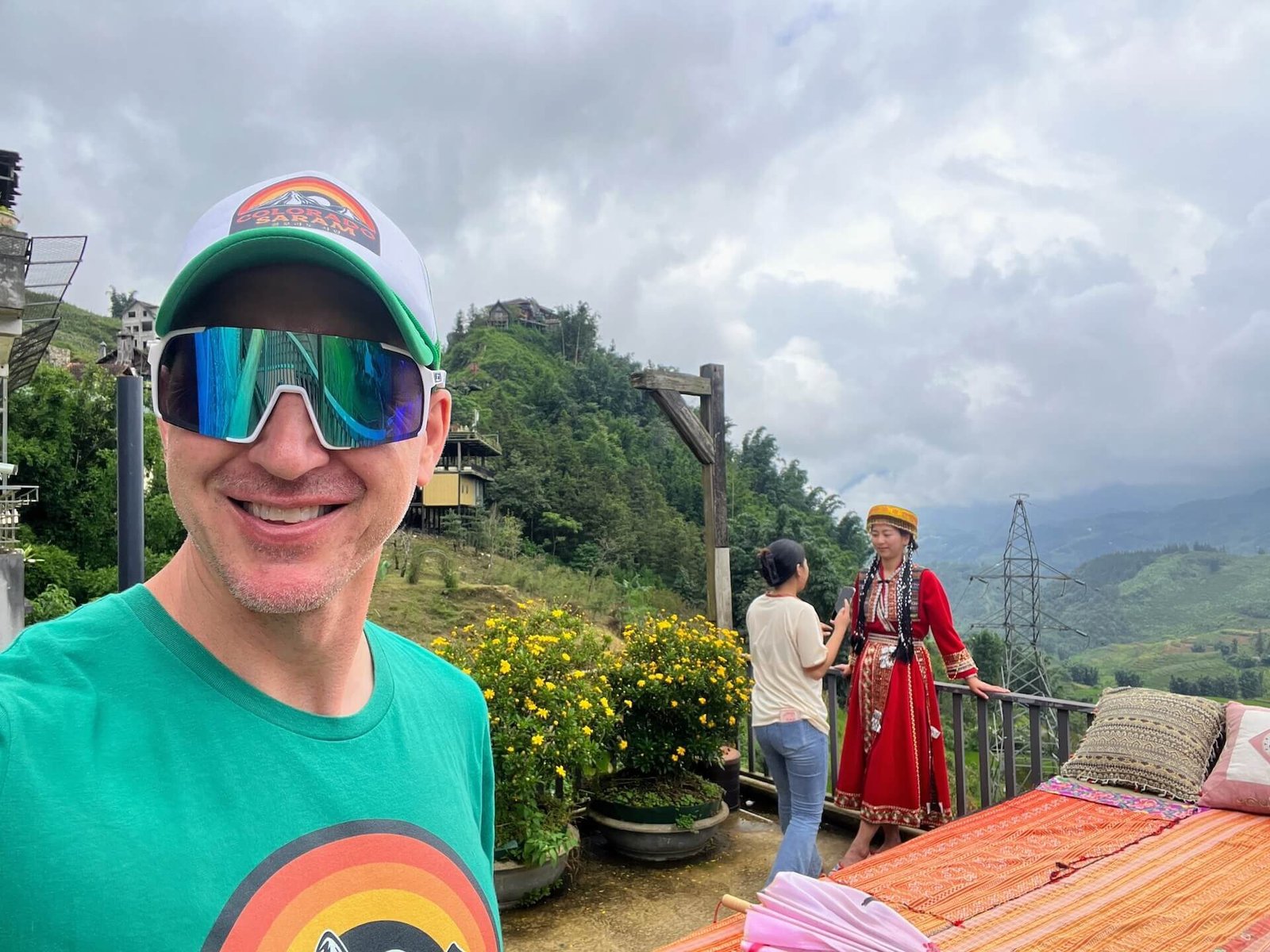
Case in point? My wife suited up in full H’Mong attire for a rooftop photoshoot, and I played designated photographer slash sherpa for the morning. As a Korean, she was all in. Cultural dress-up is a big part of travel for many Koreans, and we weren’t the only ones doing it. A few European tourists even asked to take her photo, assuming she was local.

🏞️ What to Expect on the Cat Cat Loop Trail
Cat Cat is a curated loop that winds through a village-like setup of wooden homes, waterfalls, cafes, and handicraft shops.
Expect:
- Well-maintained walking paths (some stairs, some cobblestone)
- Small waterfalls and photo bridges
- Dozens of shops selling textiles, souvenirs, and snacks
- Performance areas and Instagram-ready viewpoints
The trail is easy to follow and scenic enough to keep you engaged, especially if you lean into the playful side of the experience.
🛵 How to Get There
Cat Cat is located just 2–3 km from central Sapa. You have two main options:
- Walk: About 30 minutes downhill — not bad on the way there, a bit of a climb coming back
- Xe ôm (motorbike taxi): Cheap, fast, and more fun than the walk if you’re short on time or energy
There’s an official ticket gate at the entrance where you’ll pay the modest entrance fee (around 50,000 VND / ~$2 USD).
👗 Cultural Outfit Rental at Peace’s House
We rented traditional H’Mong clothing at Peace’s House, one of the better-known shops near the Cat Cat entrance. The staff helped dress my wife from head to toe: jewelry, sash, even hair styling. Then they whisked us up to their rooftop for a quick photo shoot.
She wore the outfit through the village trail and turned a lot of heads (in a good way). If you’re curious or want something memorable to mark your visit, it’s worth the small fee.
📸 Check out Peace’s House on Instagram to see more of their traditional outfits, rooftop views, and dressing sessions.
🎥 Behind the Scenes: Dressing Up at Peace’s House in Cat Cat Village
🔗 Want More Structure?
If you’d prefer a guided experience or are short on time, you can also book a Cat Cat Village half-day tour through Viator or Klook. These often include hotel pickup and a bit more historical background.
👉 Explore Cat Cat Village tours on GetYourGuide — see a full range of half‑day trips, village experiences, and clothing rental options
🧭 Why This Itinerary Worked for Us
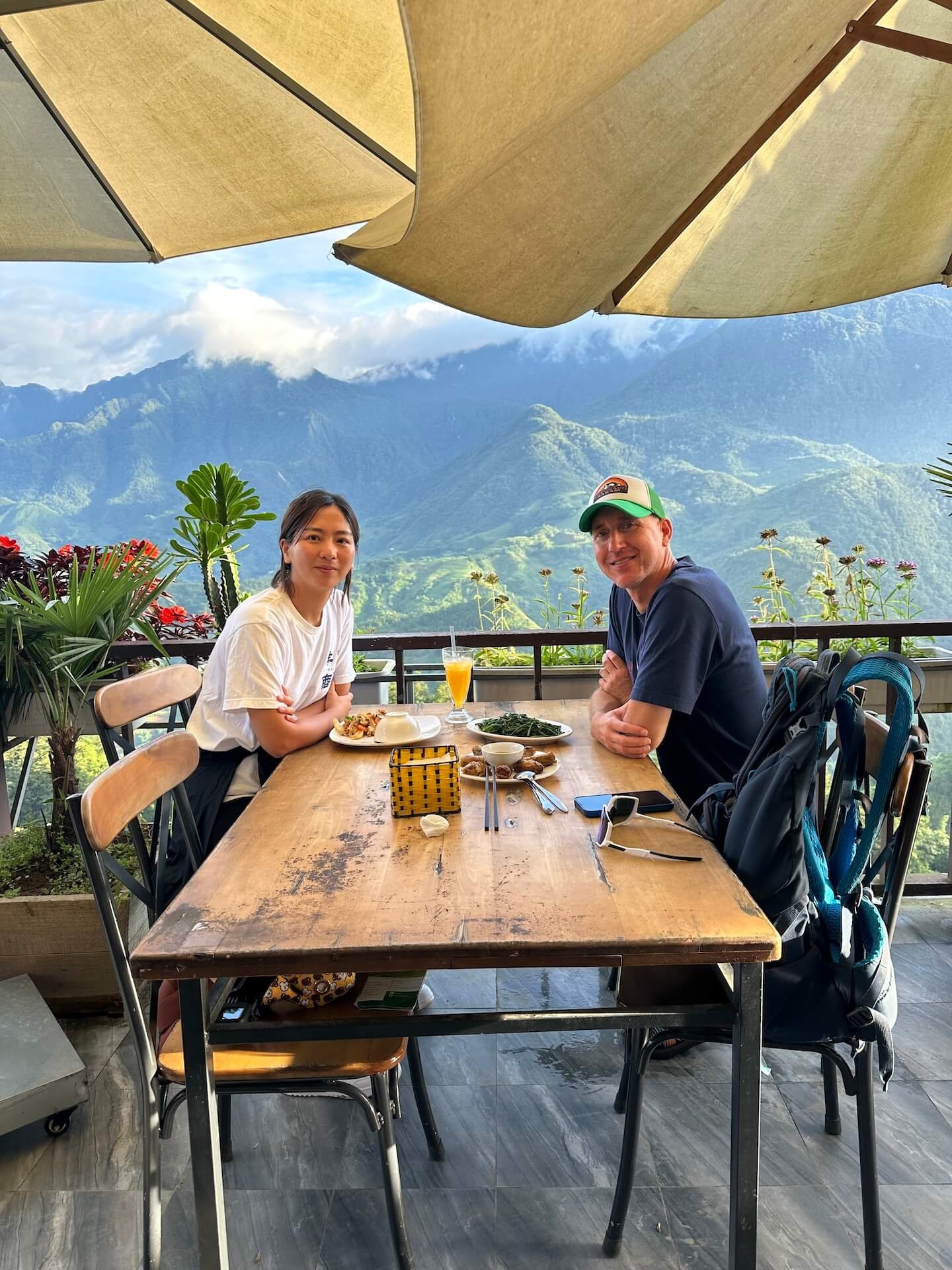
This Sapa trip wasn’t about maxing out mileage or cramming in every “must-do.” It was about moving at our own pace: chasing clearings in the fog, stopping for noodle soup when we felt like it, and soaking up just enough culture without turning it into a checklist.
We got our hands (and shoes) a little muddy on the Day 1 trek, caught a mystical ride through the clouds to Fansipan, and wrapped it all up with a dose of lighthearted fun in Cat Cat Village. No guides. No tight timelines. Just a flexible, DIY route that let us explore together without getting herded.
If that sounds like your kind of trip, I hope this itinerary helps you carve out your own version of it. And if you’ve already been to Sapa or have tips of your own, feel free to drop a comment. I’d love to hear how others have tackled it.
💬 FAQs About Visiting Sapa Without a Tour
Do I need to book anything in advance for Sapa?
It depends on the season. If you’re traveling during a Vietnamese holiday or high season (Sept–Nov, March–May), it’s smart to book your hotel and Fansipan cable car tickets in advance. Trekking and Cat Cat Village don’t require reservations — just show up and go.
Is it safe to trek in Sapa without a guide?
Yes — especially on the main trail from Sapa to Lao Chai, which is well-trafficked and semi-paved. Just watch your footing in rainy season, download offline maps, and be prepared to politely decline offers from unofficial guides along the way.
What’s the best time of year to follow this itinerary?
Spring (March–May) and fall (Sept–Nov) offer the best mix of clear skies and lush landscapes. We visited in the rainy season and still had a great time — just be ready for shifting weather and a bit of mud.
Can I do this itinerary with kids?
Definitely — especially if your kids are used to light hiking or are curious about local culture. The trek to Lao Chai can be shortened or broken into sections, and the Fansipan cable car makes for an epic family memory.
Do locals speak English?
In town, many hotel staff and restaurant workers speak enough English for basic communication. In the villages, English is more limited, but simple gestures and Google Translate go a long way — and the smiles are universal.
🔗 Resources & Booking Links
Here’s everything we used (and recommend) to make our Sapa trip smooth, scenic, and stress-free:
🏨 Lodging
- Pao’s Sapa Leisure Hotel – Our base for this itinerary. Incredible views, comfy rooms, and direct access to the trekking route.
🚠 Tickets & Attractions
- Fansipan Legend Combo Ticket (Klook) – Includes the monorail, cable car, and summit funicular. Instant booking, no paper voucher required.
👣 Tours & Village Visits
- Sapa Day Tours (GetYourGuide) – Browse village treks, Fansipan excursions, and cultural experiences.
- Sapa Experiences (Viator) – Another solid option for guided hikes and day trips in the area.
🧭 Need Help Planning Your Adventure?
Feeling a little overwhelmed piecing it all together? Maybe you’re wondering when to go, which trek to pick, where to stay, or how to fit it into the rest of your Asia plans.
I’m running a free pilot program offering one-on-one planning support for curious, independent travelers heading to Asia. There’s no catch. Just real help from someone who’s been there, without the hard sell or tour package pressure.
Whether you’re torn between treks or figuring out how to build a bigger adventure around it, I’ll help you map it out with personalized advice and practical tools.
👉 Learn more and get free help with your trip planning →
-or-