
Quick heads up: This post may contain affiliate links to gear, hotels, flights, or experiences I’ve used or genuinely recommend. If you book through one, I may earn a commission at no extra cost to you. Full disclosure here.
Hokkaido ski transportation is one of the most important logistics decisions you’ll make when planning a winter trip to Niseko or Rusutsu. From rental cars and airport shuttles to trains and private transfers, this guide breaks down the real-world pros and cons of each option based on firsthand experience.
I’ve visited Niseko twice in the past ten years and both trips showed me different sides of getting around Hokkaido in winter. My first visit was in 2014 when I was traveling solo on an English teacher’s budget. I stayed in a shared dorm, took public transportation everywhere, and did my best to keep things simple.
The snow was incredible and it was an amazing introduction to Japow, but I didn’t venture far from Hirafu or the base of Niseko. At the time, the idea of figuring out how to get to Rusutsu felt a bit daunting, so I just focused on skiing Niseko and soaking in the experience.
Last winter was a different story. I flew in from South Korea and met my brother and his friend from Denver. With three of us sharing costs, we rented a car and stayed in an Airbnb outside the main resort areas.
Having the car made day-to-day decisions much easier. We talked through where we wanted to ski the night before and checked snowfall again in the morning. If Rusutsu looked deeper or less crowded, we drove the twenty minutes over. If Niseko lined up better, we were on the lifts within five to ten minutes of leaving the Airbnb.
If you are traveling solo, trains and shuttles can still be a great option. If you are visiting with friends or family, renting a car is what I recommend. This guide covers every route from CTS to the slopes so you can choose the approach that fits your budget, comfort level, and style of travel.
🚗 What Is the Best Way to Get From CTS to Niseko and Rusutsu?
The best way to get from CTS to Niseko or Rusutsu is usually by rental car, especially if you are traveling with friends or family. A car gives you the flexibility to choose between resorts each day based on snowfall, crowds, or weather. Having your own vehicle also means you won’t have to worry about bus schedules, overcrowded shuttles, or navigating icy streets to reach the nearest stop.
That said, I get why driving in a foreign country can feel daunting. I’ve gone both routes, and I still prefer the freedom that comes with renting a car, but trains, buses, and shuttles work well for solo travelers, budget travelers, or anyone who would rather not drive in snowy conditions.
🚙 Why I Recommend Renting a Car in Hokkaido
During my first visit to Niseko ten years ago, I stayed at a youth hostel, took the train, and logged all of my ski days at Niseko United. I had heard rumors about another excellent resort nearby called Rusutsu, but with great conditions at Niseko, reasonable crowds, and no clear sense of how to get there, I just stayed put and had an awesome trip.
Crowds have grown at Niseko over the past decade, so these days I recommend carving out time to check out Rusutsu as well. It has the same incredible Japow, but with fewer people and a much quieter vibe overall.
For anyone familiar with skiing in Colorado, it’s a bit like comparing Vail or Aspen to Steamboat or Crested Butte. I’m talking mostly about the general vibes, not the terrain, although the tree skiing at Rusutsu really does have a Steamboat feel to it.
👉 Read my Niseko vs Rusutsu comparison here →
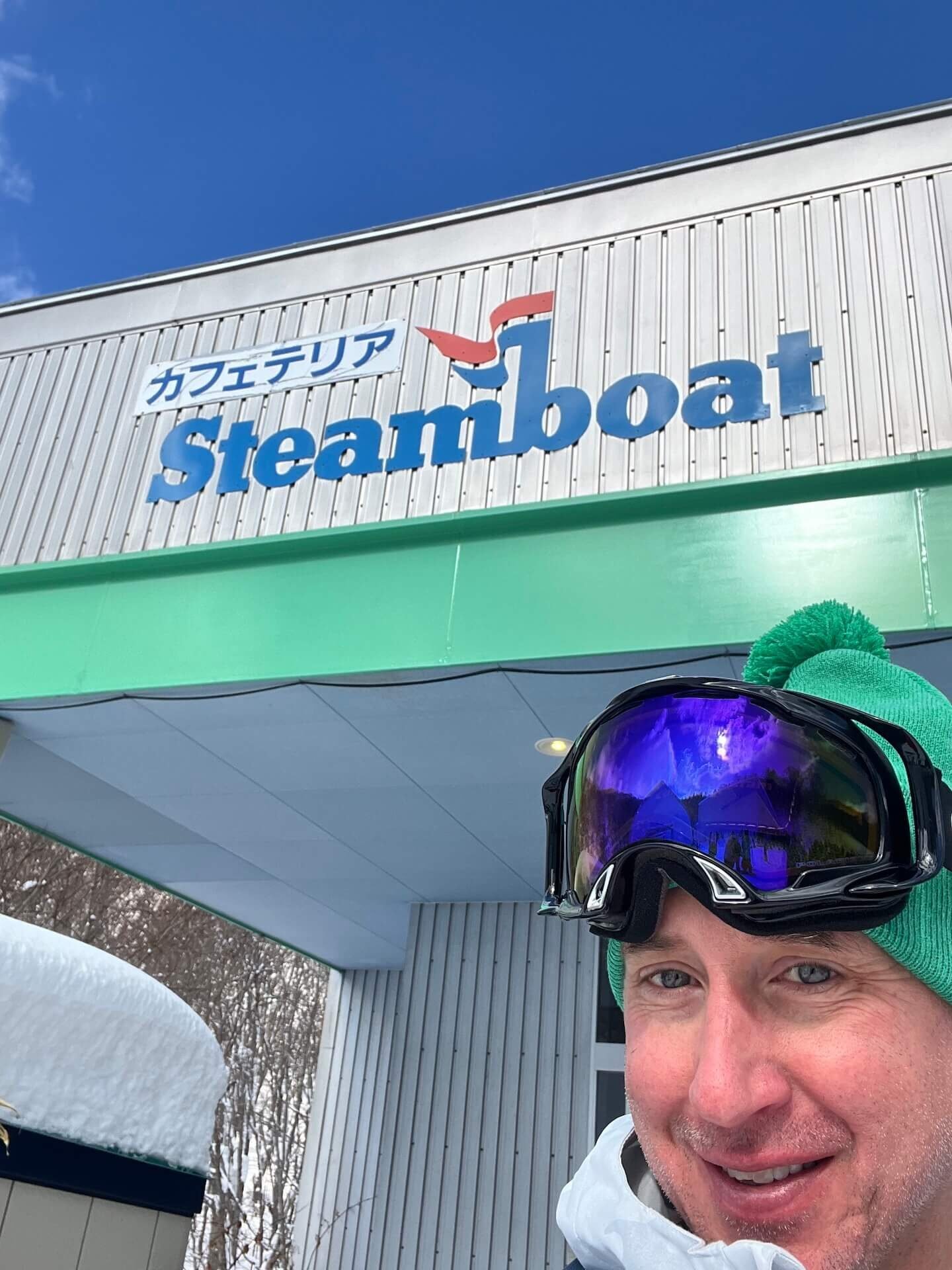
Renting a car is the easiest way to move between Niseko and Rusutsu and gives you far more flexibility than relying on shuttles or bus schedules. If you are traveling with friends or family, splitting the cost can be fairly reasonable, and it lets you choose where to ski each day based on snowfall, crowds, or weather without adding extra logistics.
As I mentioned earlier, we rented a car for our 2024–2025 trip and stayed in an Airbnb outside the main resort areas. With three of us sharing expenses, the rental made sense financially and gave us the freedom to pick between the two resorts based on conditions, crowds, and the fact that one person in our group had an Epic Pass with five days at Rusutsu.
This short clip shows some of our trip highlights, starting with our initial drive up to the resorts through winter storms and then featuring some skiing shots from both Niseko and Rusutsu.
With the rental car, we talked through where we wanted to ski the night before and checked snowfall again in the morning. If Rusutsu looked deeper or less crowded, we made the twenty minute drive over. If we wanted a different side of Niseko than the day before, we were on the lifts within five to ten minutes of leaving the Airbnb.
Parking at both Niseko and Rusutsu is generally free, which is a welcome surprise if you’re used to Western resorts. You can usually pull right up, grab tickets at a kiosk, and be on your way. As a couple of old Vail locals, we were genuinely baffled the first time we wandered away from the car without passing a single ticket booth or guard gate.
There are buses that move between the four Niseko base areas, but they can get crowded. Many of the stops also require a walk in ski or snowboard gear, which isn’t great on icy mornings or after a long day on the hill. Having a car made it easier to skip all that and head straight to whichever base area fit our plans.
Driving also made it easier to stay outside Hirafu, where accommodations tend to be more affordable and often more spacious. Being only a few minutes from the base areas made storm days less stressful and gave us more freedom to chase conditions and stay ahead of the crowds.
If you want to compare prices across rental agencies, DiscoverCars is a solid place to start. I’ve used them for trip planning in other countries and like how simple the search tools are, especially if you’re trying to filter for SUVs or winter-ready vehicles. If you’re booking out of Sapporo’s New Chitose Airport, the airport code you’ll want to use is CTS.
🧊 What You Need to Know About Winter Driving in Hokkaido
Winter driving in Hokkaido is manageable if you take it slow and stay steady. Most of the roads from CTS to Niseko are two-lane highways covered in packed snow, and you’ll often see plows pushing large piles of snow off to the shoulders. Visibility can be limited during storms, but the plows work constantly and generally keep the roads in good shape.
Surprisingly, we didn’t encounter much traffic on the way to or from the mountain resorts, although I would expect heavier local traffic on weekends and holidays. You can also expect the central Niseko junction to be a bit chaotic with both car and foot traffic converging. Outside of that bottleneck, we didn’t find traffic to be much of an issue, even during peak season in February when we visited.
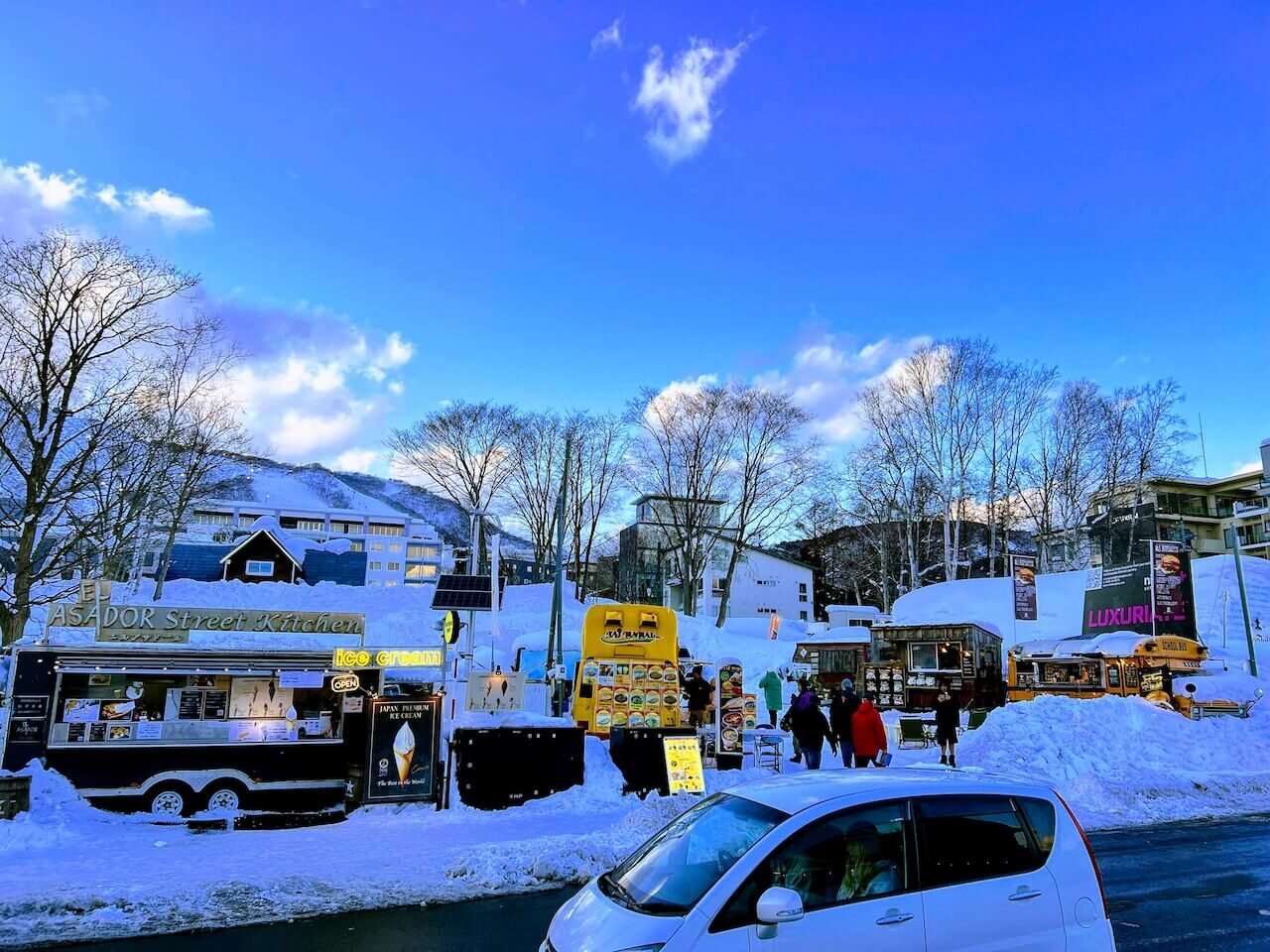
If you see an option to add winter or snow tires during your reservation, definitely take it. Our SUV handled well, but the roads were consistently snowy and visibility was limited at times, which is great news for the slopes but a bit nerve-wracking for the driver. Having proper tires made a noticeable difference when driving through whiteouts or when driving on the near-constant snow-packed roads.
Driving on the opposite side of the road from the United States takes a bit of adjustment. I was the only one with an International Driving Permit, so I was behind the wheel the entire week and got plenty of commentary from the peanut gallery about how close I was drifting toward the snowbanks. Just take your time and give yourself space until you find your rhythm.
Navigation is fairly straightforward, but I recommend you rely on your favorite app from home and use it on your phone. Even though the rental car had a built-in navigation system, switching it to English didn’t help much. Google Maps was far simpler to follow and gave us consistent turn-by-turn guidance, probably butchering the Japanese pronunciations, but we weren’t in a position to judge.
If you get lucky with the Japow, make sure you allow enough time in the morning to warm up the car and clear the snow. Our car was covered almost every morning, so budget a little extra time before heading to the slopes.
For transparency, I booked our Nissan X-Trail through EconomyBookings because they were the affiliate partner I was working with at the time, and the experience was great. These days I usually recommend comparing both DiscoverCars and EconomyBookings, since their SUV inventory at CTS isn’t always the same.
Here’s a look at the Nissan X-Trail we rented getting packed up during a morning blizzard on our last ski day.
📄 Do You Need an International Driving Permit?
Yes, you need an International Driving Permit if you plan to drive in Japan on a foreign license. It’s inexpensive, easy to obtain, and can be picked up online or through your country’s automobile association. I got mine in Korea, and the process was quick and straightforward.
My brother and his friend never got theirs, even though I reminded them multiple times before the trip. Because of that, I was the only one legally allowed to drive the rental car, so they had to put up with my driving and parking for the entire week. If you want a more balanced rotation behind the wheel, make sure everyone in your group gets an IDP before departing.
I shared this AAA link with my brother since he was coming from the States, but if you’re visiting from elsewhere, check with your local DMV or do a quick search online. The process should be simple no matter where you’re traveling from.
🚘 Which Type of Car Should You Rent?
An SUV is the best choice for most visitors heading to Niseko or Rusutsu. The roads can be snowy and narrow, and having a bit of extra clearance gives you more confidence when pulling in and out of parking lots or navigating fresh overnight snow. Many modern SUVs in Japan use traction control systems where you simply turn a dial for conditions like snow or ice, and the vehicle adjusts automatically.
You won’t always see a clear option for AWD versus 4WD when booking online. The Nissan X-Trail we rented used a dial-based traction control system, and it handled the conditions well. I also recommend choosing a winter tire add-on if it’s available. It usually costs a little extra, but it’s worth it for the added grip.
Space is another factor to consider. Our SUV worked fine, but with three people and a lot of ski and snowboard gear, it got cramped. If your group is larger than two people or you’re carrying bulky bags, consider a van or minivan. They may not be the classic choice for American skiers, but they’re everywhere in Hokkaido and are surprisingly capable in winter when equipped with proper tires.
Before confirming your reservation, it can help to look up the model on YouTube to get a sense of the cabin layout and cargo space. No matter what you choose, remember that almost everyone renting from CTS will be driving on snowy roads, so the fleets are generally well suited for winter conditions.
🔑 Where to Pick Up Your Rental Car
The easiest place to pick up your rental car is New Chitose Airport, although the cars aren’t located directly at the terminal. You’ll take a shuttle a few kilometers down the road to reach the rental offices, which is standard for all companies operating at CTS. The shuttle staff didn’t speak much English when I arrived, but a few experienced travelers helped me figure out the process, and the rest went smoothly.
Once you reach your rental agency’s office, the English support is usually much better. The pickup process was straightforward, and we were on the road quickly. If you’re planning to ski immediately after arriving, renting at the airport saves time and avoids unnecessary backtracking.
You’ll likely need to return the car with a full tank of gas, but there are several stations around the rental car area, and my agency provided a simple map. I was a little worried about figuring out the pumps in Japanese, but it turned out to be easy. Most machines have an English option and accept credit cards, so the whole process was pretty painless.
🚌 What Are the Shuttle Options to Niseko and Rusutsu?
If you’re not planning to rent a car, shuttles are the most common way to get from New Chitose Airport to Niseko or Rusutsu. I haven’t personally used these services, but I’ve spent time researching the options because this is one of the most common questions I get from readers and travel planning calls. For solo travelers, budget travelers, or anyone not comfortable driving in winter conditions, shuttles can be a practical alternative.
That said, shuttles come with trade-offs. You’re locked into set schedules, limited drop-off locations, and far less flexibility once you’re on the ground. For some trips that’s totally fine, but it’s worth understanding what you’re gaining and what you’re giving up.
Shared shuttle buses are usually the most affordable way to reach Niseko or Rusutsu from the airport. These run on fixed schedules and typically drop passengers at major hotels or designated stops within the resort areas. Based on current pricing, they’re often in the range of roughly forty dollars per person, which makes them appealing if you’re traveling solo or trying to keep costs down.
The main downside is flexibility. You’ll need to plan your flights around shuttle departure times, and once you’re at the resort, you’ll be relying on local buses or walking to get around. If you’re staying in Hirafu or close to a main base area, that’s manageable. If you’re staying farther out, it can feel limiting.
If you’re considering a shared shuttle, these are the two most common routes travelers look at from New Chitose Airport:
👉 Shared shuttle from CTS to Niseko →
👉 Shared shuttle from CTS to Rusutsu →
🚖 Private Airport Transfers From CTS
Private airport transfers are another option if you don’t plan to rent a car but want a more direct and comfortable arrival. These services take you door to door from New Chitose Airport to Niseko or Rusutsu and are typically priced per vehicle rather than per person. They tend to make the most sense for families, groups traveling together, or anyone arriving late at night with a lot of luggage.
The main benefit is convenience. You won’t need to coordinate shuttle schedules or worry about multiple drop-offs, and your driver handles the winter roads for you. The downside is cost, as private transfers are significantly more expensive than shared shuttles and don’t solve transportation needs once you’re at the resort.
I haven’t personally used a private transfer in Hokkaido, but I spent time researching the available options because it comes up often in travel planning questions. Platforms like GetYourGuide aggregate multiple transfer providers in one place, which makes it easier to compare vehicle sizes, pricing, and availability. Pricing varies widely, so it’s worth browsing based on your group size, arrival time, and budget.
👉 Browse private airport transfer options from CTS to Niseko and Rusutsu →
🎿 Can You Get Around Niseko and Rusutsu Without Renting a Car?
Yes, it’s possible to get around without renting a car, especially if you’re staying near a base area and plan to ski mostly in one place. Niseko has local buses that connect the main base areas, and many hotels run their own shuttles to and from the lifts. For trips centered around Hirafu or a single resort, this setup can work just fine.
That said, relying on shuttles comes with limitations. Buses can get crowded during peak hours, and stops often require walking in ski or snowboard gear, which isn’t ideal on icy mornings or after a long day. On my first trip, staying lower in Niseko town, I had to navigate some seriously icy streets to and from the nearest bus stop. It’s probably fair to say I saw more people wipe out on that walk than I did on the slopes.
Shuttles are cheaper and simpler upfront, but they make it harder to change plans on the fly or explore beyond your immediate area, especially if you’re hoping to split time between Niseko and Rusutsu.
🚆 Can You Take the Train to Niseko or Rusutsu?
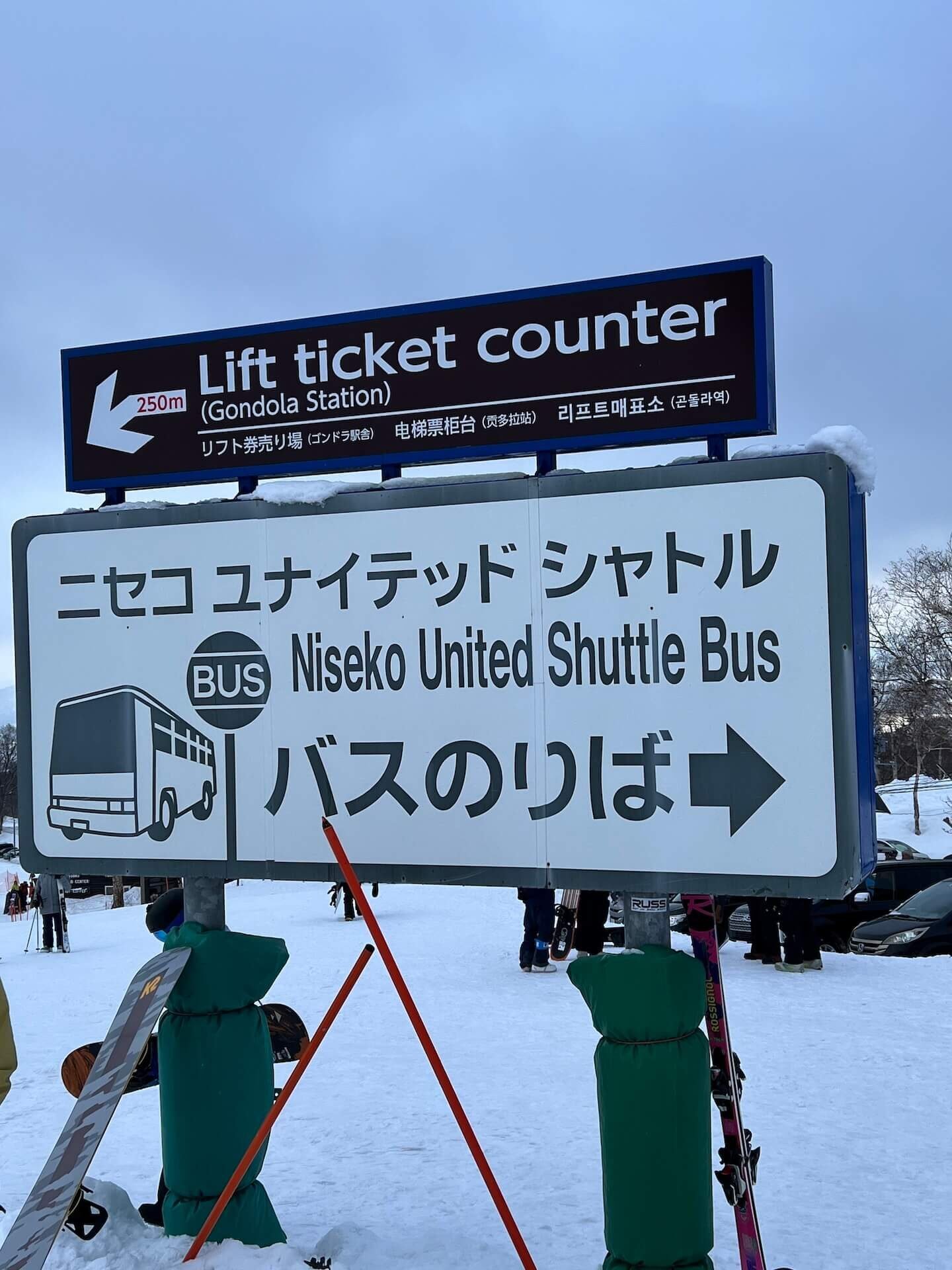
Yes, you can take the train to Niseko, and it does work, but it’s slower and less direct than renting a car or taking a shuttle. Winter schedules, transfers, and the final connection from the train station add extra steps. For budget travelers with time and patience, it’s a viable option, but it’s not the easiest way to reach the slopes.
Trains do not go directly to Rusutsu, which makes them a poor fit if that resort is part of your itinerary.
🚉 My Experience Taking the Train on My First Trip
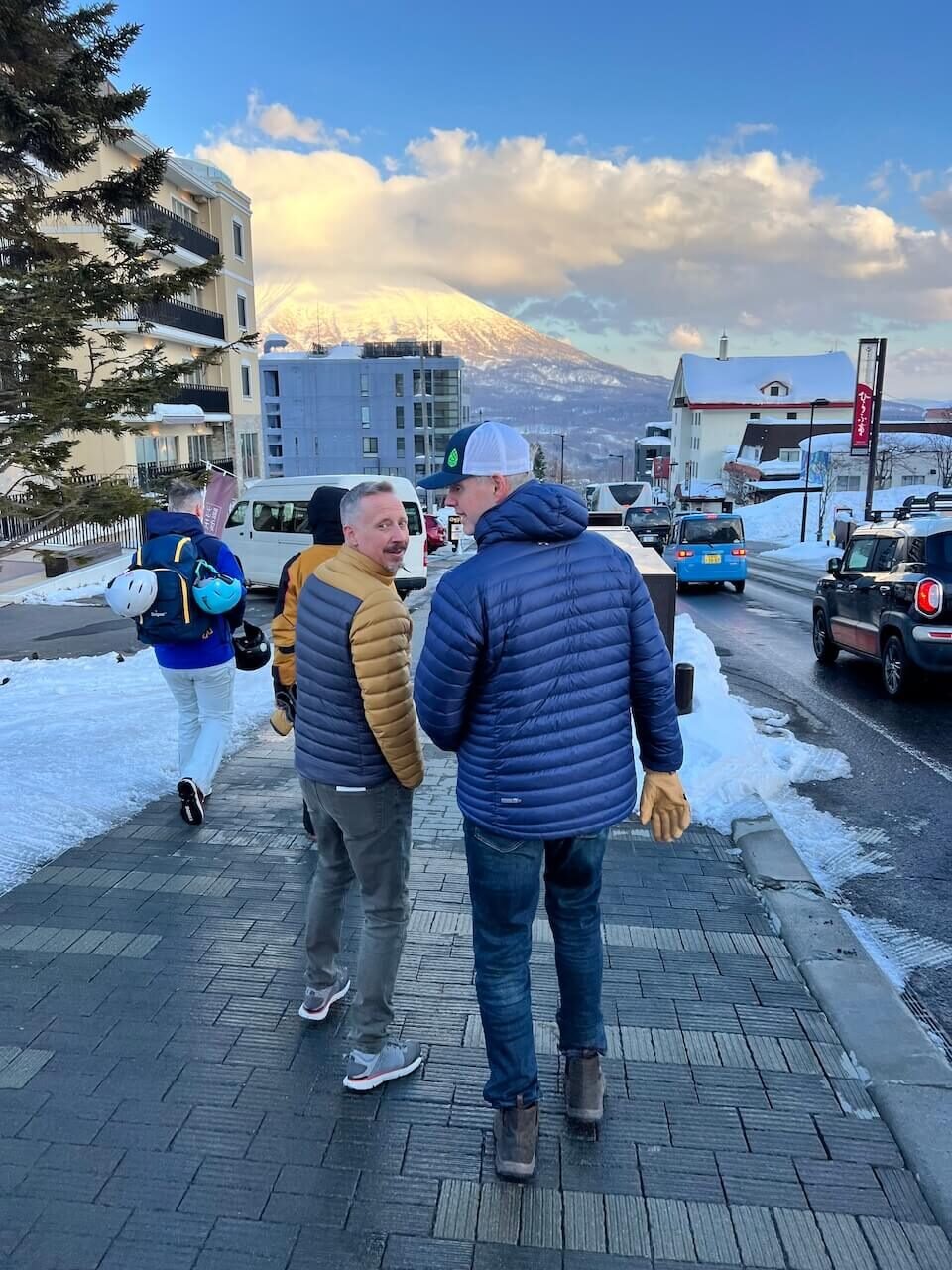
On my first trip to Niseko in 2014, I traveled solo on a tight budget and took the train from the Sapporo area up to Kutchan. I remember the experience as equal parts fun and a little confusing. It felt like a proper adventure, but it definitely wasn’t seamless. Traveling through the snow-covered countryside, managing transfers, and figuring things out as I went was enjoyable, but required patience.
Once I arrived at Kutchan Station, I was met by staff from the youth hostel where I was staying. That pickup made a big difference, because without it, I would have needed to figure out a local bus or taxi in winter conditions. Not all accommodations offer this kind of pickup, so it’s something you need to confirm ahead of time if you’re planning to rely on the train.
Overall, the train worked for that trip because I was traveling light, staying in one place, and skiing only Niseko. If any one of those variables had changed, it would have felt like more of a hassle.
🚆 Sapporo to Kutchan by JR Train
The main rail route to Niseko runs from Sapporo to Kutchan via JR trains. Travel time typically lands in the three to four hour range depending on connections, and most routes require at least one transfer. Trains are generally reliable in winter, but weather can slow things down, and schedules are far less flexible than driving.
For budget travelers, the train can make sense, especially if you’re already planning to spend time in Sapporo. If you’re using rail passes or planning multiple train journeys around Hokkaido, this option can help keep costs down.
If you’re looking to book tickets or passes in advance, platforms like Klook offer JR rail passes that can cover the Sapporo to Kutchan route. Depending on your itinerary, this may include a regional Hokkaido pass rather than a full Japan-wide pass.
🚍 The Final Leg: Kutchan Station to Hirafu or Annupuri
This is the part of the journey where things tend to get less straightforward. Kutchan Station is not at the base of the ski areas, so you’ll still need to connect onward to Hirafu, Annupuri, or wherever you’re staying. Options typically include local buses, taxis, or hotel-arranged pickups.
Buses do run, but they’re tied to schedules and can be crowded during peak arrival times. Managing luggage adds another layer of friction, especially if conditions are icy or visibility is poor. If your accommodation doesn’t offer pickup, this final leg can feel like the most stressful part of the train journey.
For travelers staying close to Hirafu village with minimal luggage, this can be manageable. For groups, late arrivals, or anyone staying farther out, it’s often where the train option starts to feel like more work than it’s worth.
🚫 Why Trains Don’t Work for Rusutsu
Unlike Niseko, Rusutsu does not have direct rail access. There is no train station at or near the resort, which means trains alone won’t get you there. If Rusutsu is part of your itinerary, you’ll need to rely on shuttles, private transfers, or a rental car for at least part of the journey.
This is one of the main reasons trains work best for Niseko-only trips. If you’re hoping to split time between Niseko and Rusutsu, taking the train quickly becomes impractical, and you’re better off looking at the shuttle or rental car options covered earlier in this guide.
🏔 How Far Are Other Hokkaido Resorts From Niseko?
One of the most common questions I get from readers is how realistic it is to visit other ski resorts while staying in Niseko. Distances in Hokkaido can be deceptive on a map, especially in winter. Here’s what you need to know about visiting Rusutsu and Furano from Niseko, with and without a car.
🏔 Niseko to Rusutsu Travel Time
Rusutsu is surprisingly close to Niseko by Hokkaido standards. The drive is roughly twenty minutes in good conditions, which makes it an easy and realistic day trip if you have a rental car. This proximity is one of the biggest reasons I recommend considering Rusutsu, especially if you want a break from Niseko’s crowds.
If you do not have a car, there is still an option worth knowing about. Rusutsu operates a seasonal day trip shuttle from Niseko during peak winter months. It typically runs once per day, requires advance reservation, and is designed specifically for skiers staying in Niseko who want to spend a day at Rusutsu. It is not as flexible as driving yourself, but it does make a Rusutsu day trip possible without renting a car if you plan ahead.
For travelers hoping to bounce between the two resorts based on daily conditions, crowds, or snow totals, having a car is still the easiest and most flexible option.
🌲 Can You Day Trip to Furano?
Technically, yes, you can drive from Niseko to Furano in a single day, but I would not recommend it. The drive typically takes three to four hours each way in good conditions, and winter weather can easily push that longer. That makes for a very long day before you even click into your skis.
Because of the distance and winter road conditions, Furano works much better as an overnight stop rather than a day trip. If Furano is high on your list, it makes more sense to plan a separate stay there or build it into a longer Hokkaido itinerary instead of trying to squeeze it in from Niseko.
This is one of those cases where having a rental car helps with flexibility, but even then, time and energy are the bigger constraints. For most travelers, Furano deserves at least a night or two of its own.
🧭 Comparing Your Transportation Options in Hokkaido
By this point, you’ve seen that there’s no single “best” way to get around Hokkaido in winter. The right choice depends on your group size, budget, comfort level with winter driving, and whether you want to ski just Niseko or also include Rusutsu. The table below lays out the main options side by side so you can quickly see which approach fits your trip best.
| Option | Best for | Convenience | Flexibility | Works for Rusutsu? | Quick notes |
|---|---|---|---|---|---|
| Rental car | Groups, flexible plans, Niseko + Rusutsu days | High | High | Yes | Most freedom. Winter tires recommended. You will need an IDP. |
| Shared shuttle | Solo travelers, budget trips, no winter driving | Medium | Low | Sometimes | Great airport option. Fixed schedules. Local mobility can be limiting. |
| Train to Niseko area | Budget travelers with time, Sapporo stopovers | Low to medium | Low | No | Works for Niseko via Kutchan plus a final connection. Not a fit for Rusutsu. |
🌃 Should You Stop in Sapporo Before Heading to the Resorts?
If you have the time, adding a night or two in Sapporo before or after your ski trip is absolutely worth considering. After several days in Niseko or Rusutsu, where the atmosphere can feel surprisingly international, Sapporo is a reminder that you’re very much in Japan. I like to think of it as a lighter, more approachable version of Tokyo, with great food, nightlife, and a bit less chaos.
Just keep in mind that you’re still in Hokkaido. Winter conditions apply. Streets can be icy or snow-covered, and ankle-deep snow is not unusual, so choose footwear accordingly if you plan to wander around at night.
🏨 Where to Stay Near CTS for Late or Early Flights
If you’re arriving late or flying out early, staying right at New Chitose Airport is a stress-free option. The Air Terminal Hotel is connected directly to the terminal, which makes logistics incredibly easy.
On my most recent trip, all three of us stayed here on our first night after arriving. It gave us a chance to decompress from travel, grab food, and sleep before picking up the rental car and heading to Niseko early the next morning. We still managed to get a half day of skiing in that afternoon, which made this a really efficient way to handle arrival day.
🏨 If You Want a Night in the City
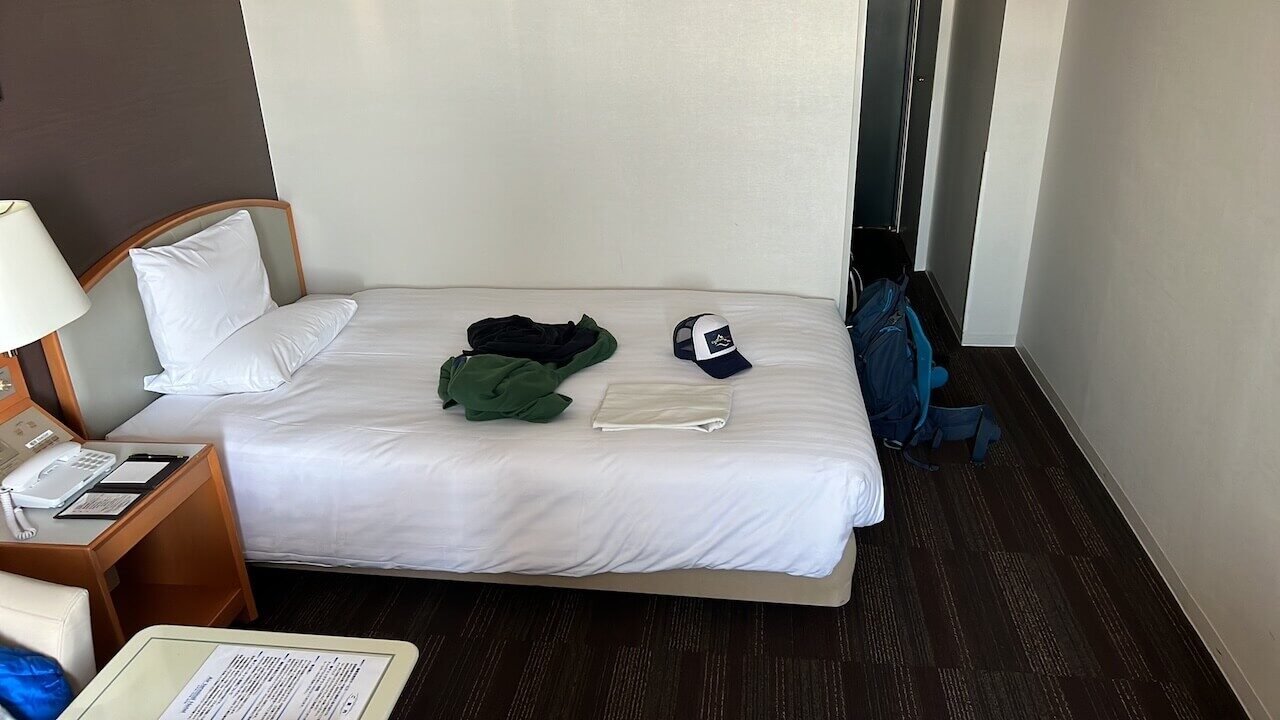
If you’d rather spend a night soaking up city energy, downtown Sapporo is the better choice. I stayed one night at the Susukino Granbell Hotel, which sits right in the heart of Susukino, Sapporo’s main entertainment district. This area is full of neon signs, restaurants, bars, and photo-worthy streets that feel lively without being overwhelming.
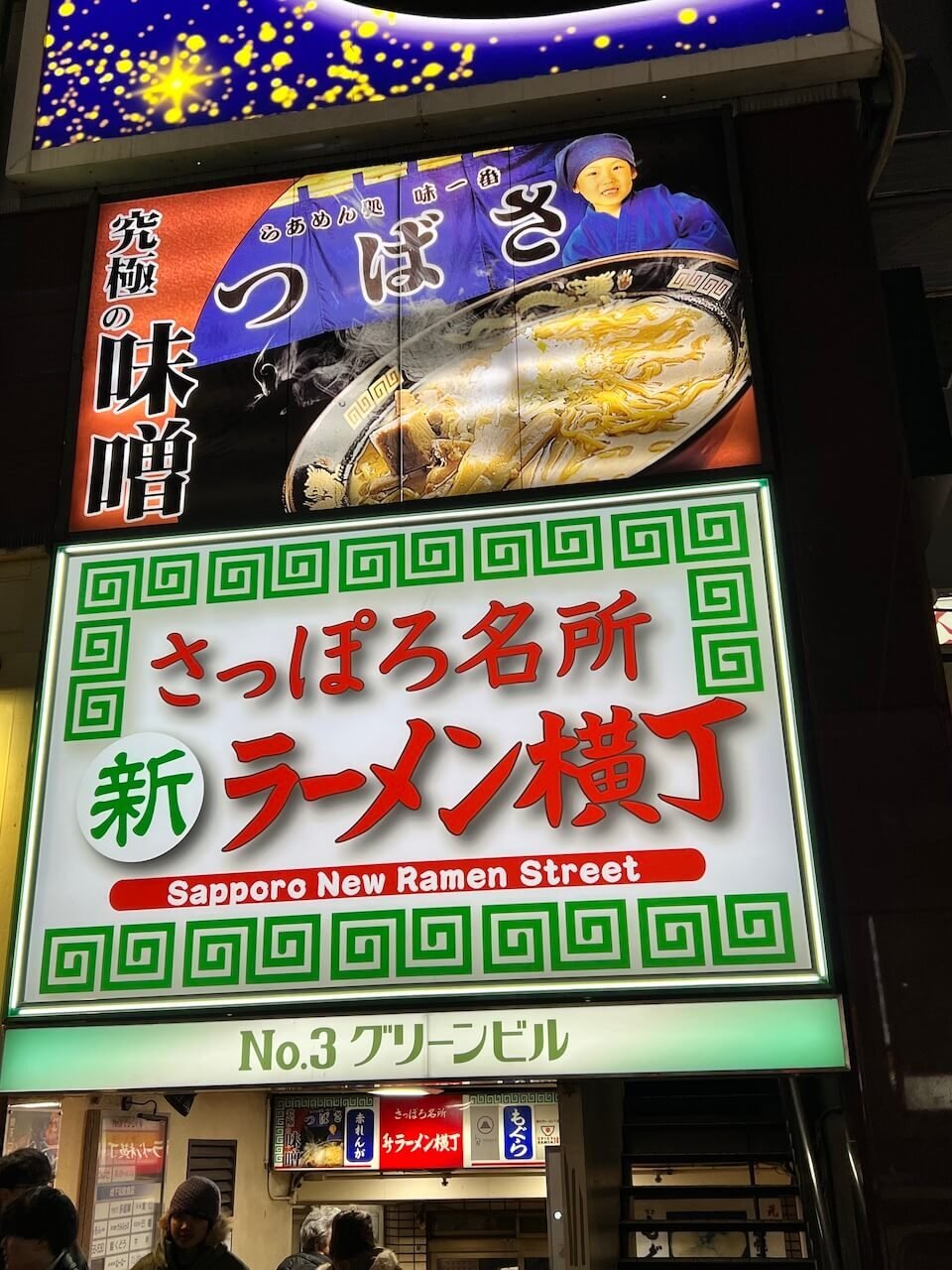
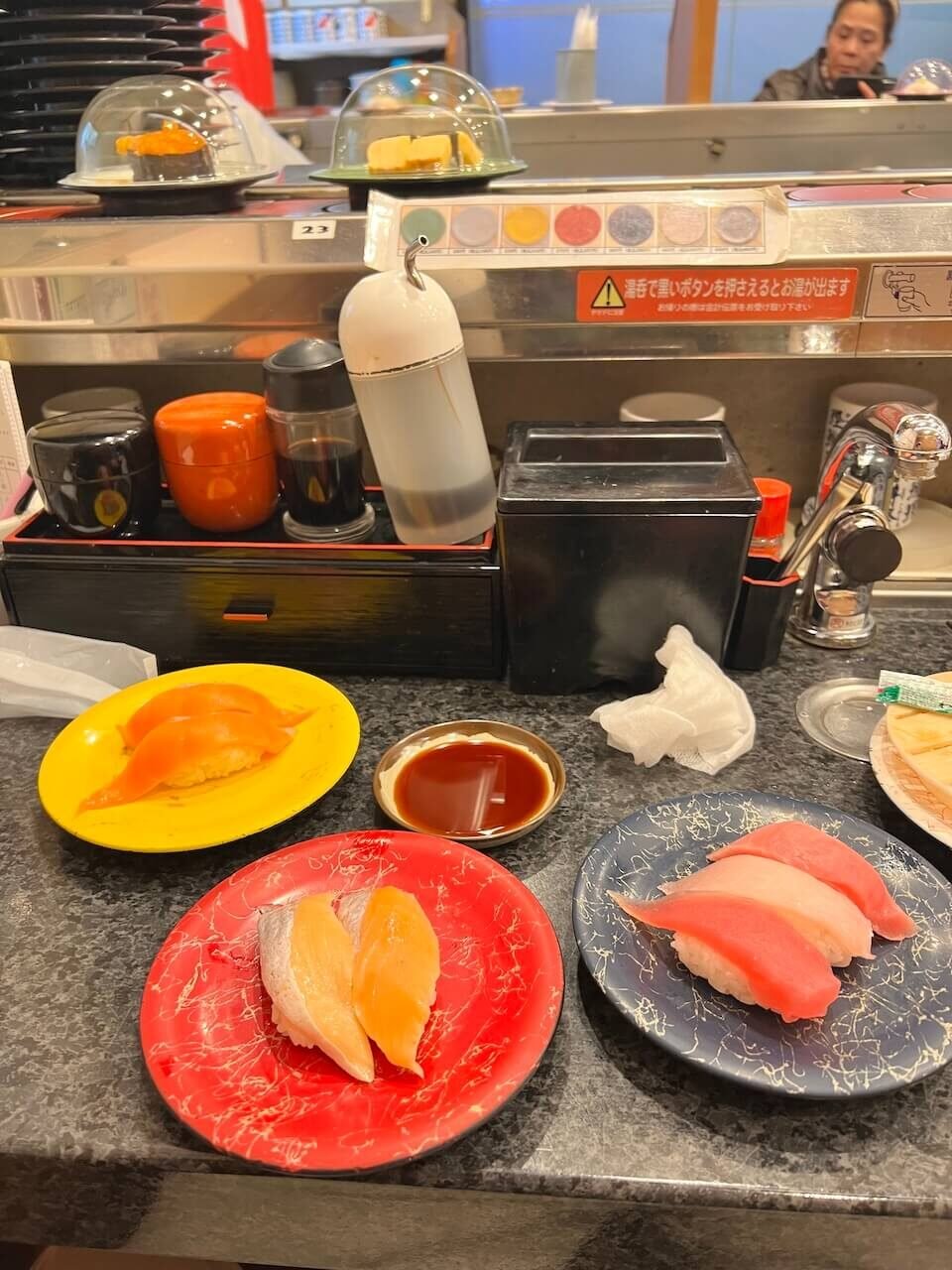
That evening, I wandered around on foot, found the famous Ramen Alley, and eventually landed at a conveyor belt sushi restaurant where I sat at the counter and wrapped up the trip with an excellent and surprisingly affordable meal. It was a great way to wind things down after time in the mountains.
If you’re traveling with a car, it’s also worth noting that the Granbell has parking. You drive your car onto an elevator, and it gets stored in a parking tower overnight, which made it easy to enjoy the city without worrying about street parking.
🚇 Getting Around Sapporo With or Without a Car
Sapporo is easy to navigate either way. I drove myself into the city, which felt a little daunting at first given winter roads and driving on the opposite side, but Google Maps guided me straight to the hotel without issue.
Once the car was parked for the night, I didn’t need it at all. The subway system is straightforward, signage is clear, and it connects major areas like Susukino and the airport rail line. If you’re spending a night or two in the city, public transit and walking are more than enough.
🎒 What’s the Easiest Transportation Option for First-Timers?
If you’re comfortable driving in winter, renting a car is the easiest and most flexible option, especially if you want to ski both Niseko and Rusutsu. If you’re jet-lagged, traveling solo, or don’t want to deal with winter roads, a shared or private shuttle from CTS is a solid alternative. Trains can work for Niseko-only trips on a tight budget, but they’re best suited for travelers with extra time and patience.
🎿 Final Thoughts: Choosing the Right Way to Get Around Hokkaido
There isn’t one perfect way to get around Hokkaido in winter, and that’s okay. The best choice depends on how many people you’re traveling with, how flexible you want your days to be, and how comfortable you feel driving in snowy conditions. I’ve done this trip both on a tight budget using trains and buses, and later with a rental car and more flexibility, and each approach has its place.
If you’re traveling with friends or family and want to split time between Niseko and Rusutsu, renting a car is still my top recommendation. It removes friction, opens up more lodging options, and makes it easier to follow snow and avoid crowds.
If you’re solo, jet-lagged, or simply don’t want to think about winter driving, shared shuttles and private transfers are reliable alternatives that can get you to the slopes without much stress.
Trains can work too, especially for Niseko-only trips when budget matters most, but they require patience and extra planning. Whichever option you choose, understanding the trade-offs ahead of time will make the entire trip smoother.
Transportation is one of the biggest variables on a Hokkaido ski trip, and once you solve for it, everything else tends to fall into place.
❓ Hokkaido Ski Transportation FAQ
Below are the most common transportation questions I get from skiers planning trips to Niseko and Rusutsu.
Do I need to rent a car to ski Niseko and Rusutsu?
No, but renting a car gives you the most flexibility, especially if you want to ski both Niseko and Rusutsu. Shuttles and trains work if you plan to stay in one place, but a car makes it easier to move between resorts, avoid crowded buses, and stay outside the main resort villages.
Is winter driving in Hokkaido safe for visitors?
Yes, winter driving in Hokkaido is generally safe if you take it slow and use proper winter tires. Roads are often snow-packed, plows run regularly, and traffic is usually calm outside of busy junctions. Driving on the opposite side takes some adjustment, but navigation apps like Google Maps make it manageable.
Can I get to Rusutsu without a rental car?
Yes, but options are limited. Rusutsu does not have train access, so you’ll need to use a shared shuttle, private transfer, or a dedicated bus service. These work, but they run on fixed schedules and don’t offer the same flexibility as having your own vehicle.
Is taking the train to Niseko a good option?
Taking the train to Niseko can work for budget travelers or those already spending time in Sapporo. The route usually involves transfers and a final connection from Kutchan Station to the resort area, which adds time and complexity. It’s slower than driving or taking a shuttle, but doable if you’re patient and traveling light.
Do I need an International Driving Permit to rent a car in Japan?
Yes. If you plan to drive in Japan on a foreign license, you must have an International Driving Permit. It’s inexpensive and easy to obtain through your local automobile association, but every driver listed on the rental needs their own permit before arriving.
Are shuttles or private transfers better for first-time visitors?
Shuttles are a good option for first-time visitors who don’t want to drive in winter conditions or are traveling solo. Private transfers offer more comfort and direct service, especially for families or late-night arrivals, but they cost significantly more and don’t solve transportation needs once you’re at the resort.
- 👉 Niseko vs Rusutsu: Which Hokkaido Ski Resort Is Better for Your Trip?
- 👉 A 5–7 Day Hokkaido Ski Itinerary
- 👉 Hokkaido Ski Trip Tips and Costs: What to Budget and Expect
- 👉 Hokkaido Ski and Snowboard Packing List: Advice After Multiple Visits
🗒️ Need Help Planning Your Hokkaido Ski Trip?
If you’re still deciding whether to rent a car, book a shuttle, or piece things together by train, you don’t have to figure it all out on your own. I offer free one-on-one travel planning help for independent skiers and riders who want a trip that actually works in real life.
This isn’t a travel agency and there’s no sales pitch. It’s just me using years of Asia travel experience, plus multiple trips to Hokkaido, to help you sort through logistics, timing, and trade-offs before you book.
👉 Request free Hokkaido ski trip planning help →
🙏 Support the Blog
This post isn’t sponsored by any resort, hotel, or transportation company. Some of the links in this guide are affiliate links, which means I may earn a small commission if you make a booking through them at no extra cost to you.
If this guide helped you plan your trip or answered questions you were stuck on, you can also support the site through Buy Me a Coffee. It’s never required, but it genuinely helps me keep researching destinations and publishing detailed, experience-based ski guides like this one.