Quick heads up: This post may contain affiliate links to gear, hotels, flights, or experiences I’ve used or genuinely recommend. If you book through one, I may earn a commission at no extra cost to you. Full disclosure here.
Trying to choose between the Annapurna Circuit and Everest Base Camp? I went through the same decision myself. Here’s how they stack up.
🥾 Annapurna Circuit vs Everest Base Camp (Quick Answer)
If you’re trying to choose between the Annapurna Circuit and Everest Base Camp, it really comes down to what kind of experience you want.
- Choose Annapurna Circuit if you want more variety. The landscapes change constantly, and the route loops instead of out-and-back.
- Choose Everest Base Camp if you want to see Everest. That’s the draw, and everything centers around it.
- Choose Annapurna if you’re looking for a mix of culture, terrain, and a longer journey.
- Choose Everest if you want something more defined and straightforward in terms of route.
I ended up choosing the Annapurna Circuit, and it turned out to be one of the best travel decisions I’ve made.
👉 Browse Annapurna Circuit treks
👉 Browse Everest Base Camp treks
🤔 Quick Comparison
| Feature | Annapurna Circuit | Everest Base Camp |
|---|---|---|
| Typical Duration | 12–20 days (flexible route options) | 12–14 days (roundtrip from Lukla) |
| Trail Format | Loop or semi-loop (start and finish differ) | Out-and-back |
| Max Altitude | 5,416 m (Thorong La Pass) | 5,364 m (Base Camp) + 5,545 m (Kala Patthar) |
| Difficulty | Moderate–challenging (gradual acclimatization) | Challenging (steeper, faster elevation gain) |
| Scenery | Daily shifts — rice paddies, pine forests, and high-alpine passes | Alpine focus with consistent Everest views |
| Cultural Access | Tibetan-influenced villages and Hindu lowlands | Sherpa culture and Buddhist monasteries |
| Starting Point | Besi Sahar or Jagat (by road) | Flight to Lukla (weather dependent) |
| Permits Needed | ACAP + TIMS | Sagarmatha National Park + Khumbu Pasang Lhamu Permit |
🧭 How I Ended Up Choosing Annapurna
If you’re stuck between the Annapurna Circuit and Everest Base Camp, you’re not alone. I went back and forth on the same decision years ago.
The idea actually started earlier, during my first round-the-world trip. I was living in a shared flat in Queenstown, New Zealand when I noticed a poster of the Annapurna range hanging on the wall. I didn’t know anything about it at the time, but it stuck with me.
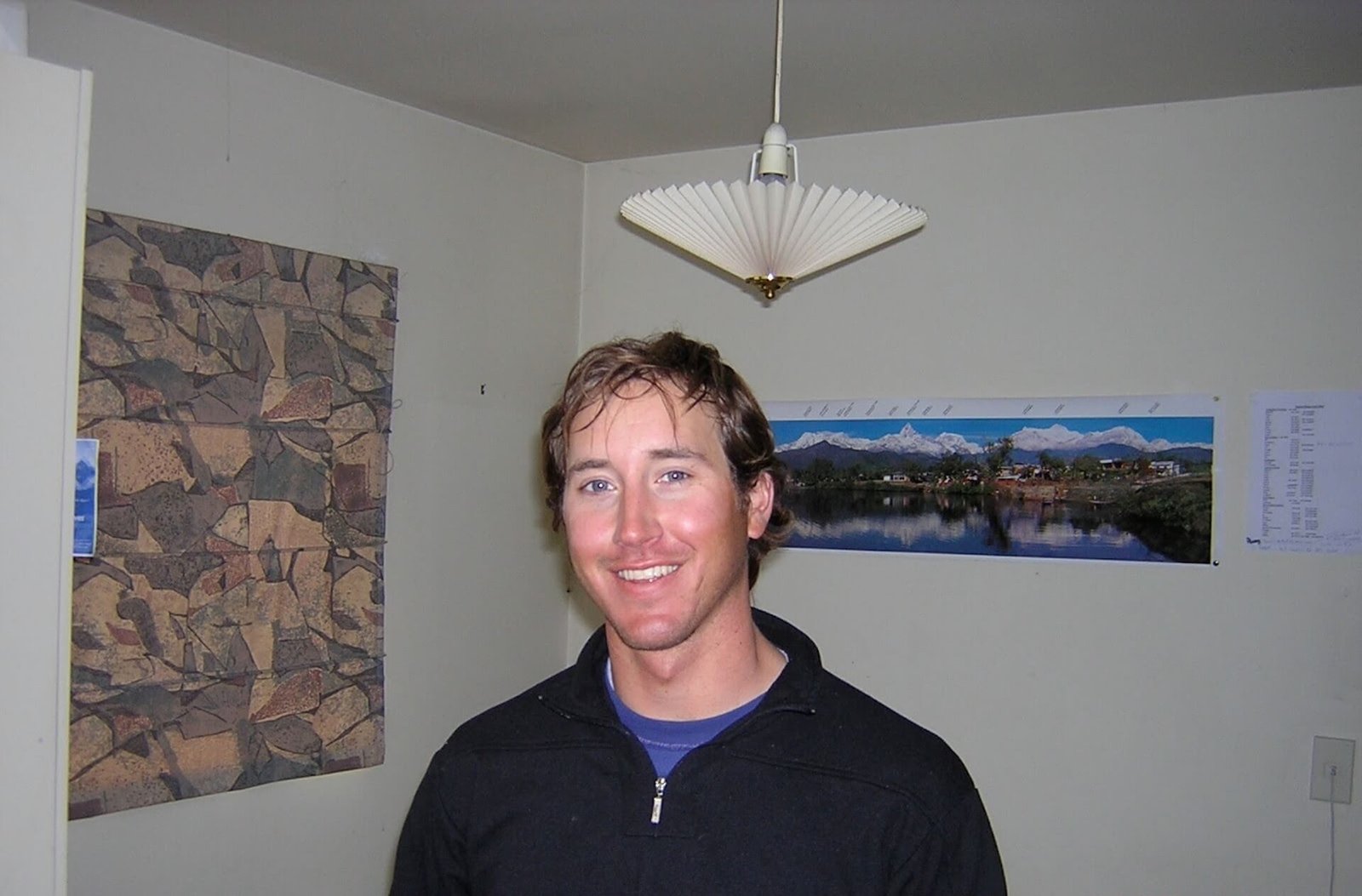
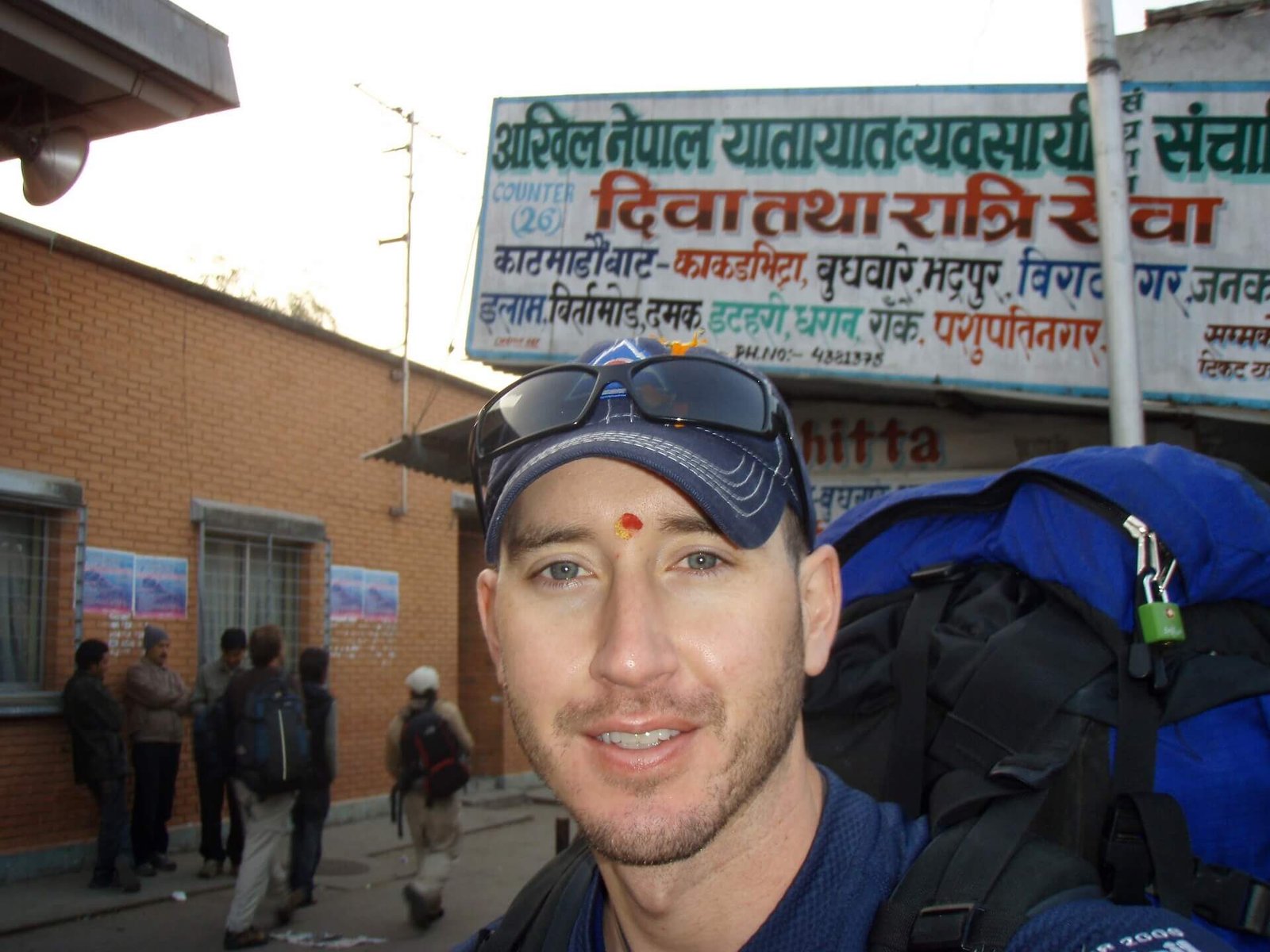
Fast forward a few years, and I found myself in Kathmandu, weaving through Thamel with no real plan. Like most of my travel decisions back then, I figured I’d sort it out when I got there. I ended up booking a 20-day Annapurna Circuit trek with one of the first operators that seemed halfway legitimate.
Looking back, it was a bit of a gamble. It worked out for me, but I heard plenty of stories along the trail from people who weren’t so lucky.
The main reason I chose Annapurna over Everest was pretty simple. It’s a loop. No retracing your steps. Every day felt like something new, whether it was the landscape, the villages, or the people along the way.
You still get the altitude. Crossing Thorong La at 5,416 meters gives you that high-mountain moment, but without having to turn around and walk back through the same terrain.
I spent 20 days on the trail, and even now, it’s one of the trips that sticks with me the most.
⛰️ How Long Do These Treks Take?
The biggest difference comes down to flexibility.
The Annapurna Circuit can take anywhere from around 12 to 20 days depending on your route, while Everest Base Camp is usually a more fixed 12 to 14-day trek.
🌀 Annapurna Circuit
The full Annapurna Circuit typically takes around 18 to 20 days if you’re doing the classic route. When I booked mine, it was listed as 21 days, and I finished in 19 at a steady pace.
These days, a lot of itineraries are shortened to 12–15 days by skipping sections with jeep transport or cutting acclimatization time. That works if you’re tight on time, but if you want the full experience, I’d still lean toward the longer version.
There are also shorter options in the region like Annapurna Base Camp or Poon Hill, but those are different treks entirely.

🏔️ Everest Base Camp
The standard Everest Base Camp trek usually takes 12 to 14 days roundtrip, starting with a flight into Lukla and following the same route up and back.
There’s less flexibility here. The route is more defined, and most itineraries follow a similar structure with built-in acclimatization days.
Some variations add extra stops like Gokyo Lakes or include a helicopter return, but the core experience stays pretty consistent.
🥵 Which Trek Is More Difficult?
Both treks are challenging, but in different ways.
The Annapurna Circuit is longer and more gradual, while Everest Base Camp is shorter but steeper with faster altitude gain.
🌀 Annapurna Circuit Difficulty
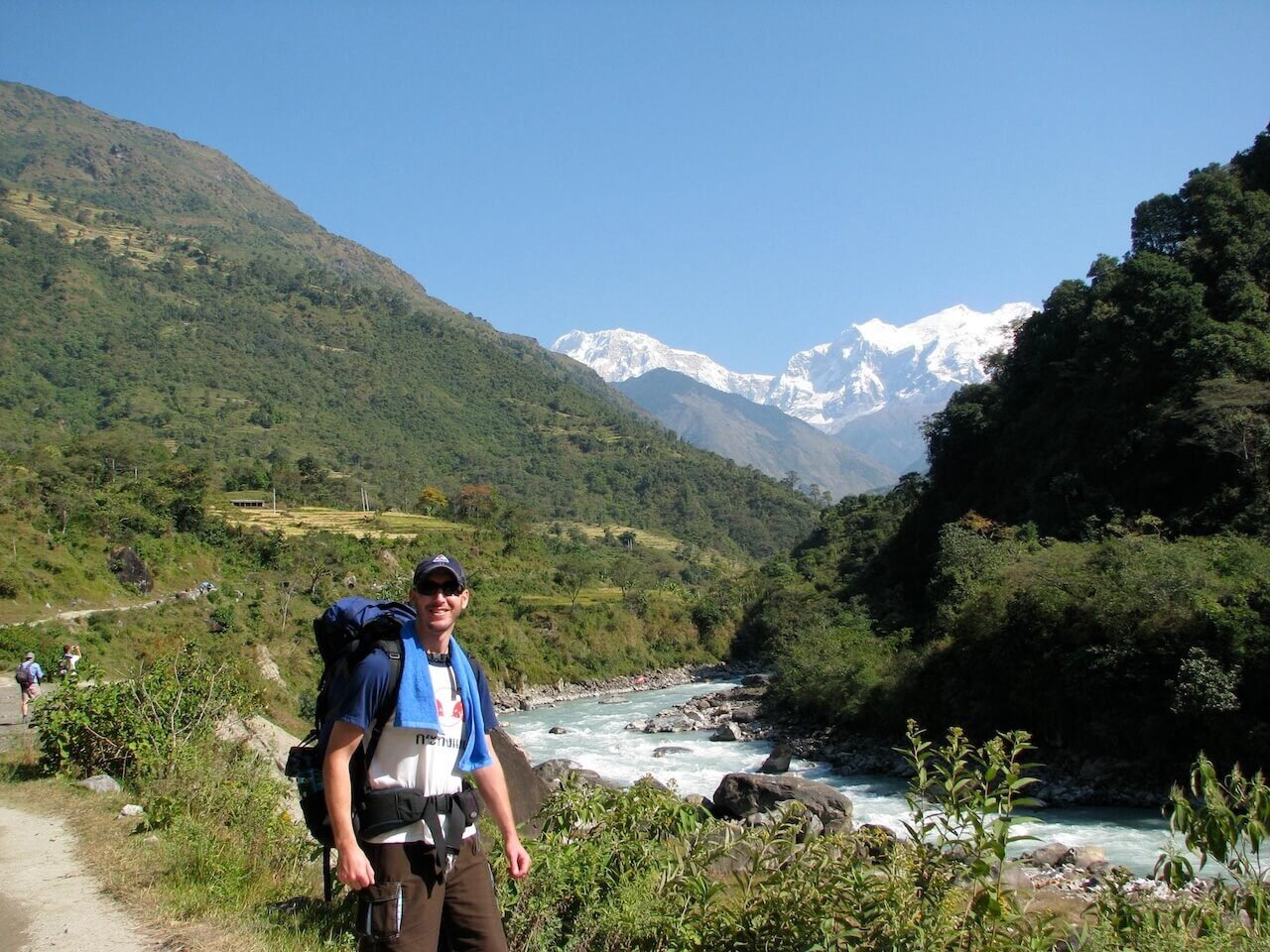
I did the full Annapurna Circuit in my early 30s, in decent shape, and found it very manageable overall. The days were long, but the pace felt steady and predictable.
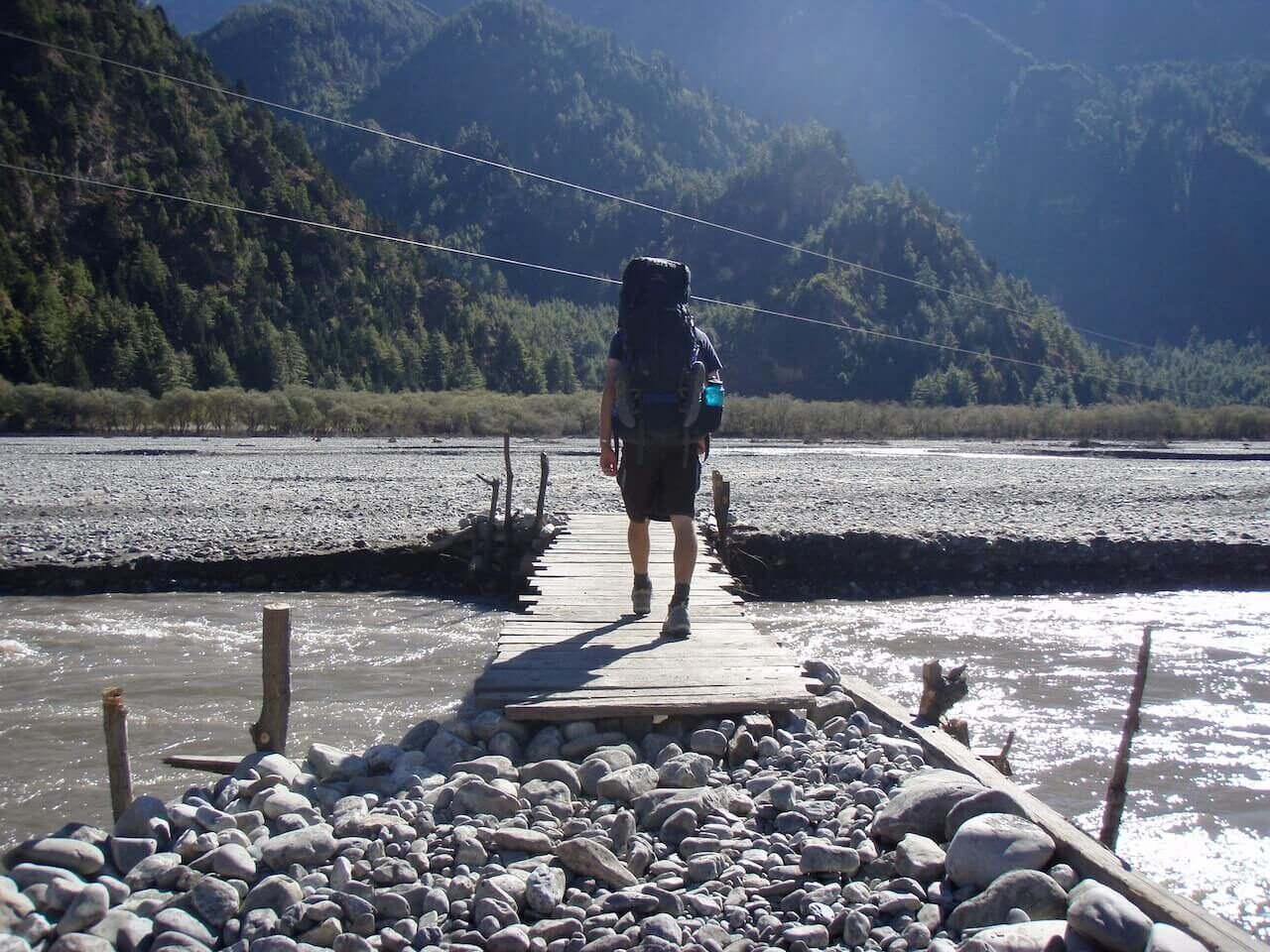
Most days involved 6–8 hours of walking through a mix of terrain. Nothing overly technical, but it adds up. By the end, my legs and feet felt it more than anything else.
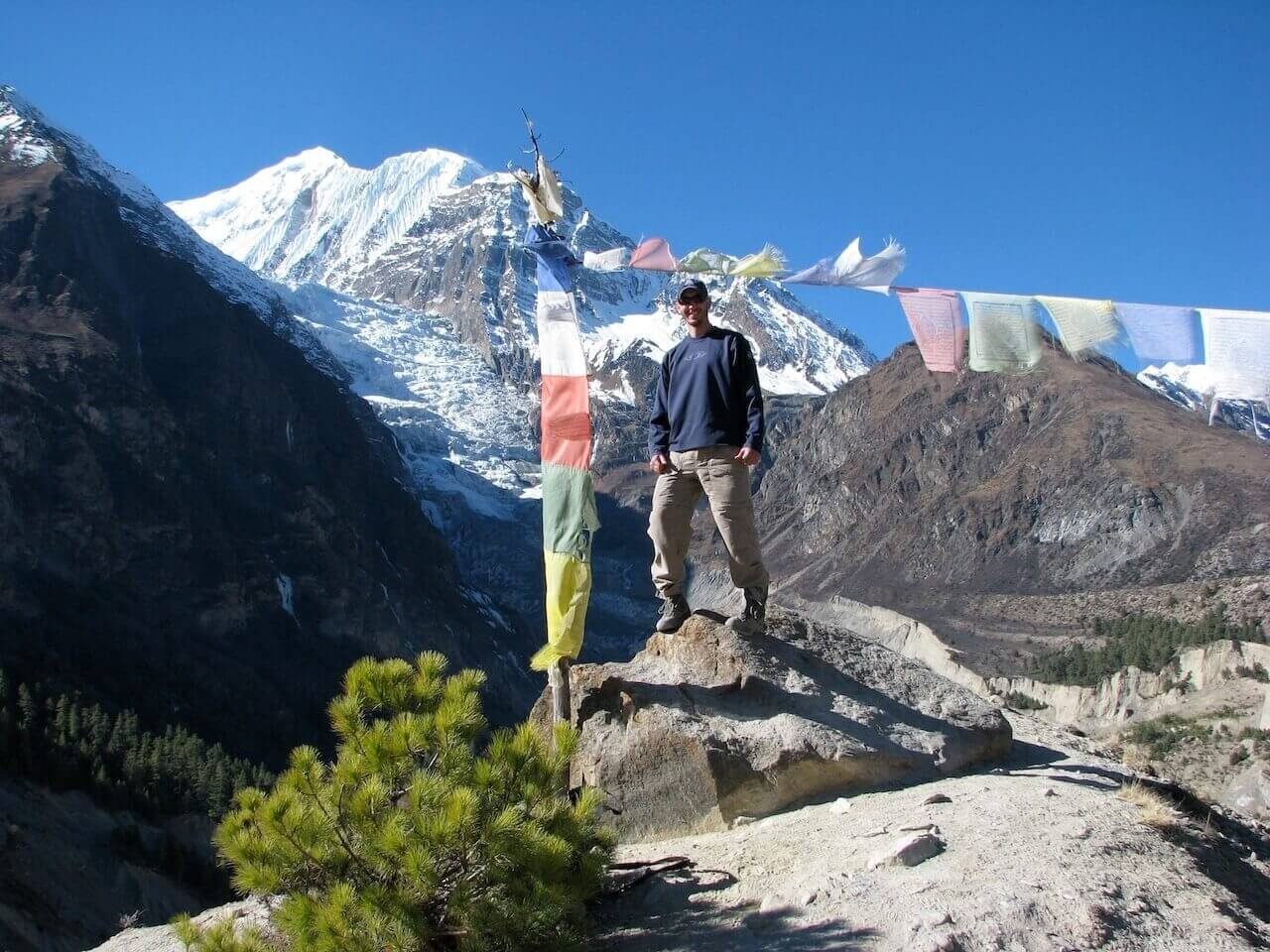
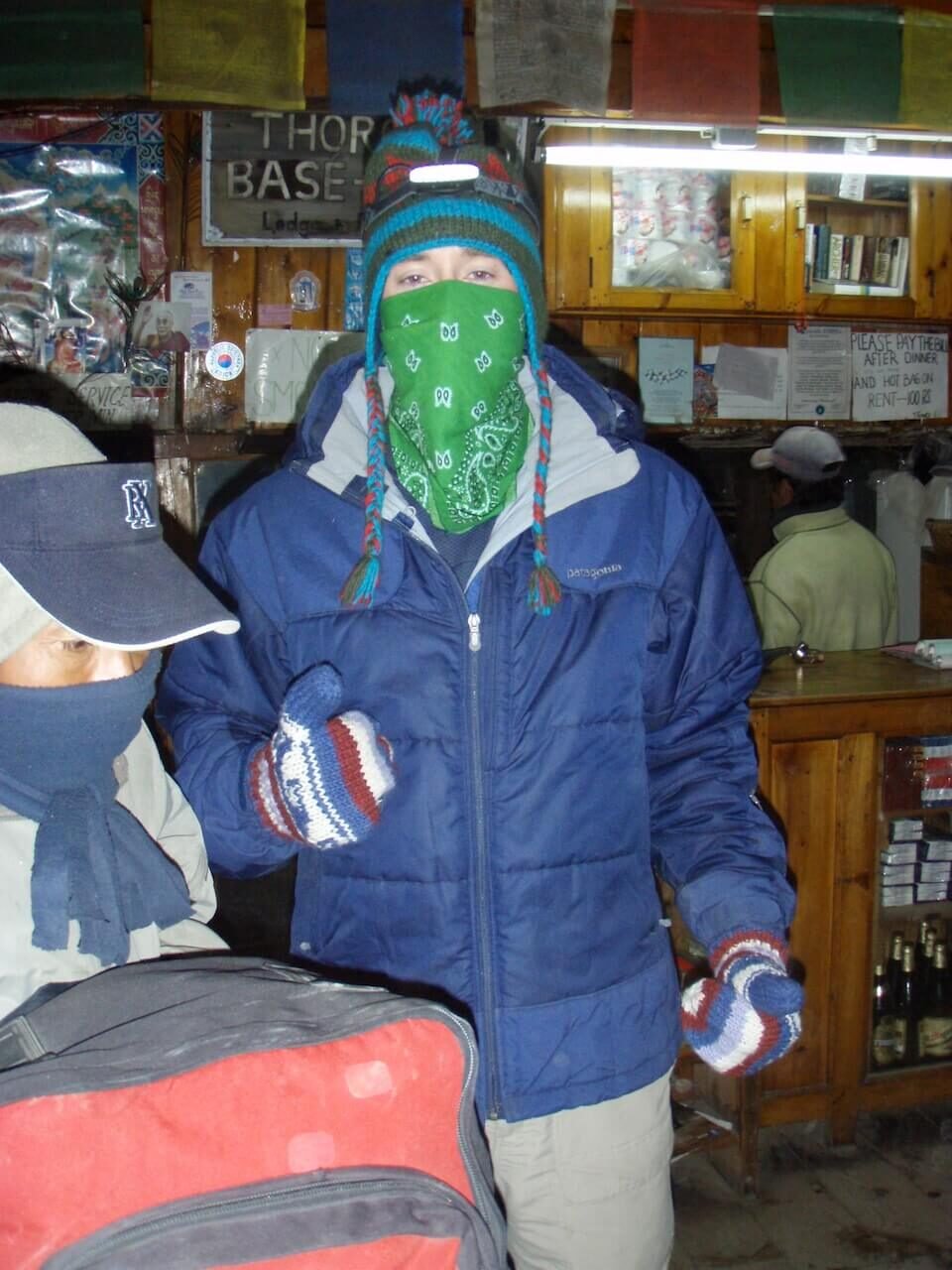
Where it really hits is at Thorong La Pass (5,416 meters). The altitude caught up with me the day before. I felt a bit off, slept early, and just took it slow. The next morning, we started before sunrise and worked our way up in the dark.
It’s a big day, but the gradual build-up helps. You’re not rushing to altitude, which makes a difference.
🏔️ Everest Base Camp Difficulty
I haven’t done the Everest Base Camp trek myself, but from everything I’ve seen and heard over the years, the main challenge is how quickly you gain altitude.
You start high in Lukla and move up fast. That makes acclimatization more important, especially if you don’t build in extra days.
The route is also more direct. You’re heading straight toward Base Camp, then turning around and walking the same way back. That can be mentally tougher than it sounds.
From a physical standpoint, most reasonably fit people can complete it. But compared to Annapurna, it asks your body to adjust more quickly.
🔁 Quick Take: Which Trek Is Harder?
If you’re trying to decide based on difficulty alone, Annapurna felt more manageable because of the slower build, while Everest demands more from you early.
🌄 Scenery & Culture on the Trail
🌀 Annapurna Circuit
This is where the Annapurna Circuit really stands out.
The scenery doesn’t stay the same for long. You start in green, terraced valleys, move through pine forests, and eventually climb into dry, high-altitude terrain where everything feels a little harsher and more exposed.
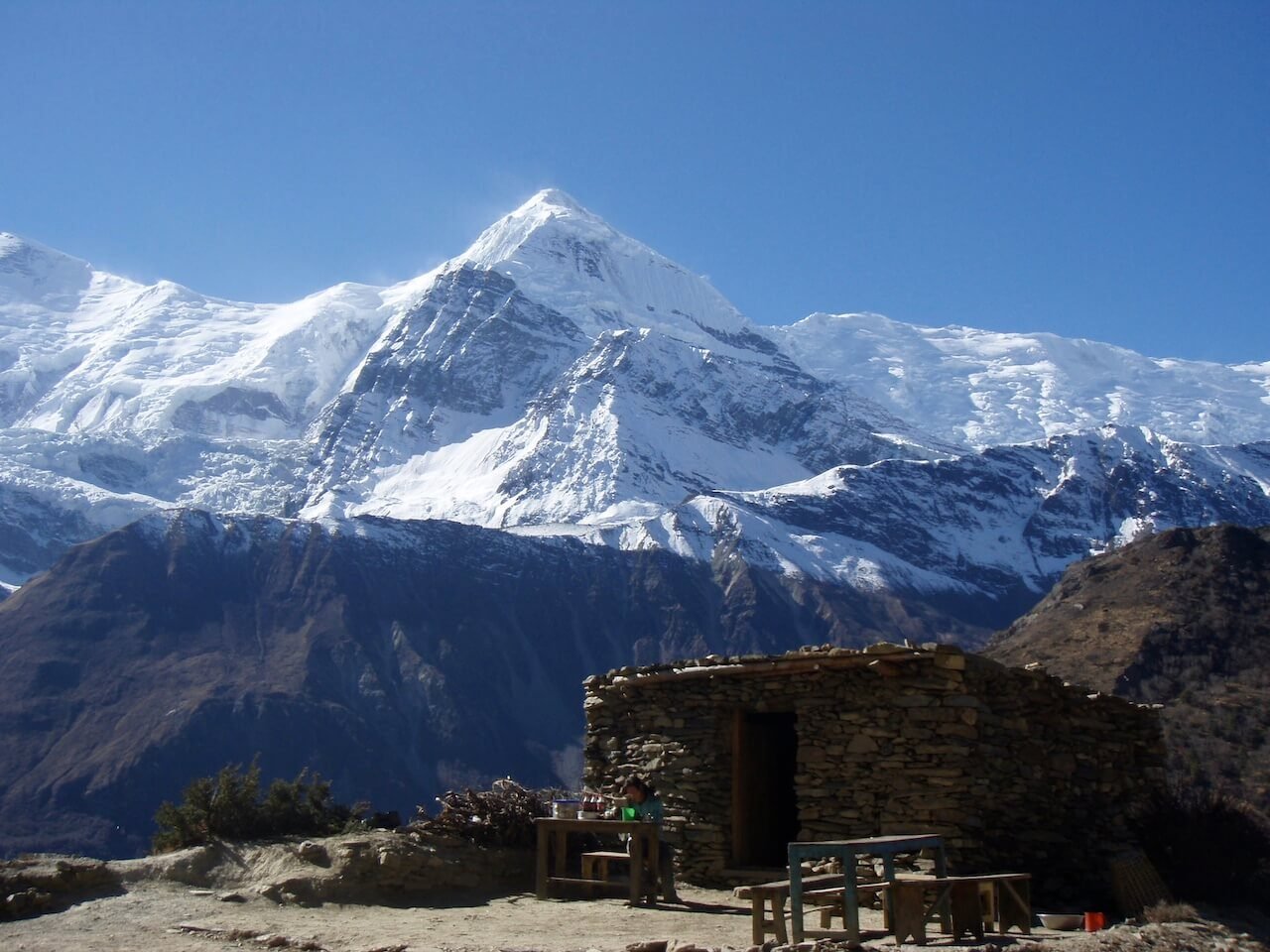
It never really feels repetitive. Each day looks different, and that keeps things interesting when you’re walking for weeks.
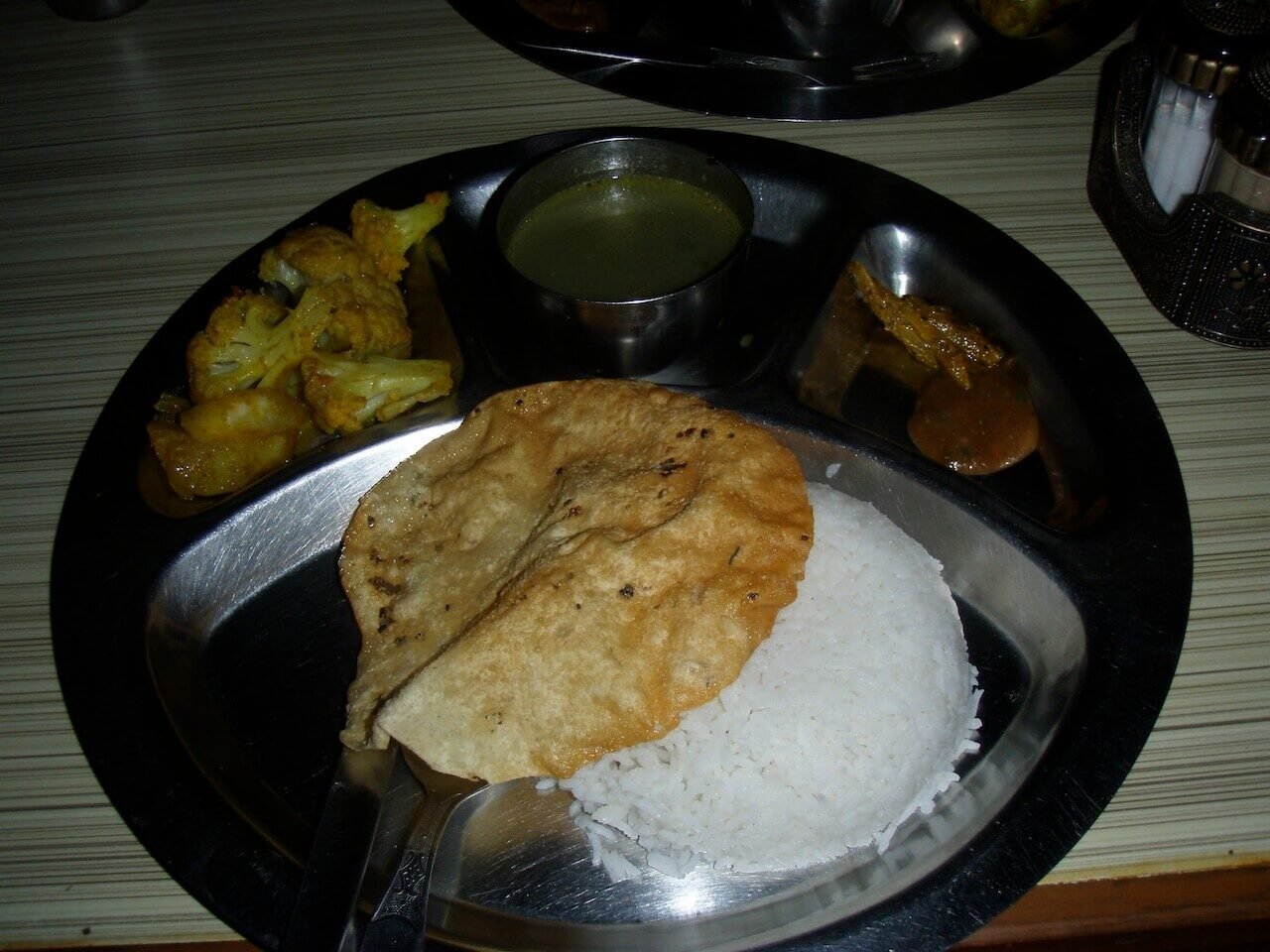
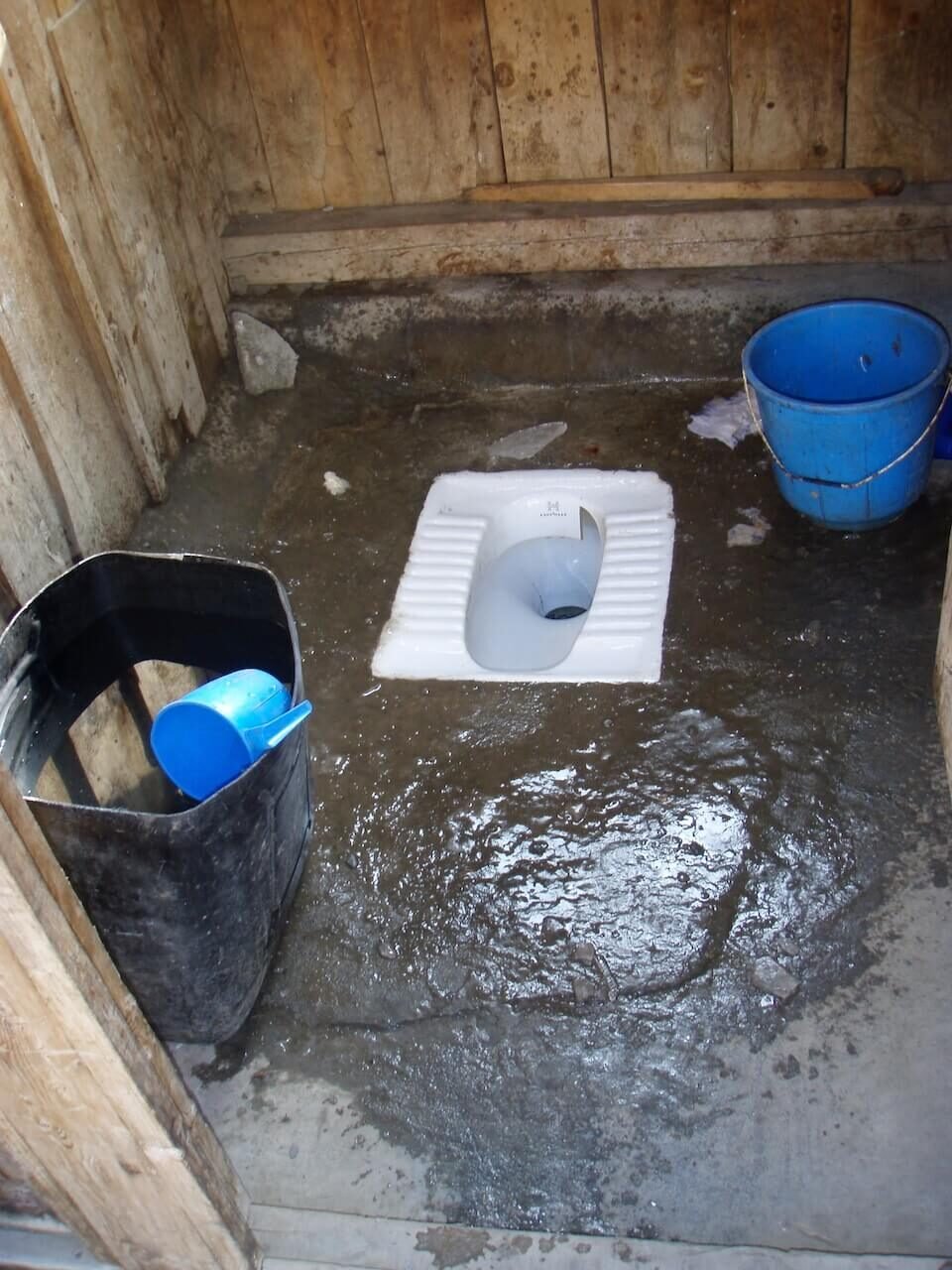
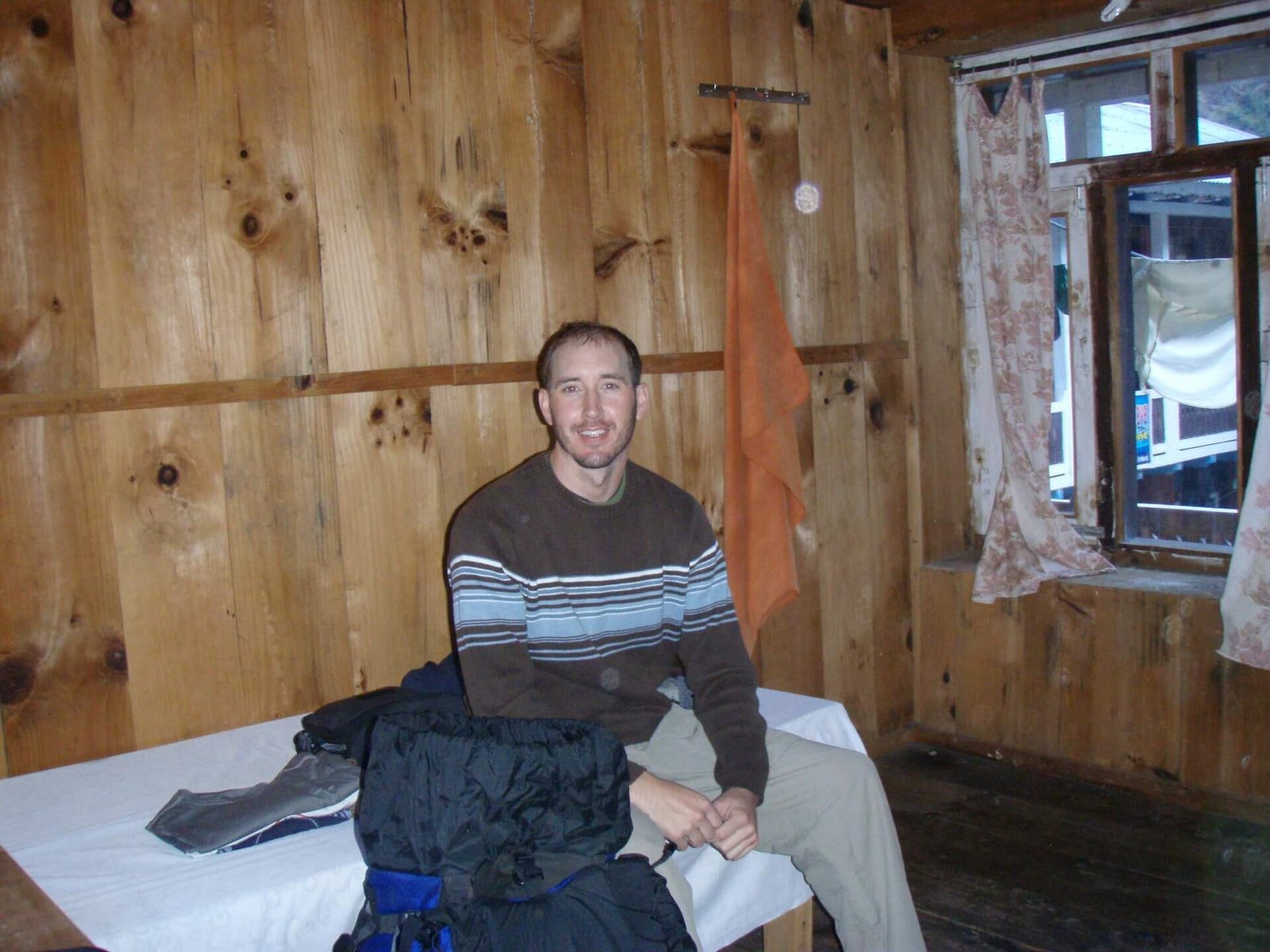
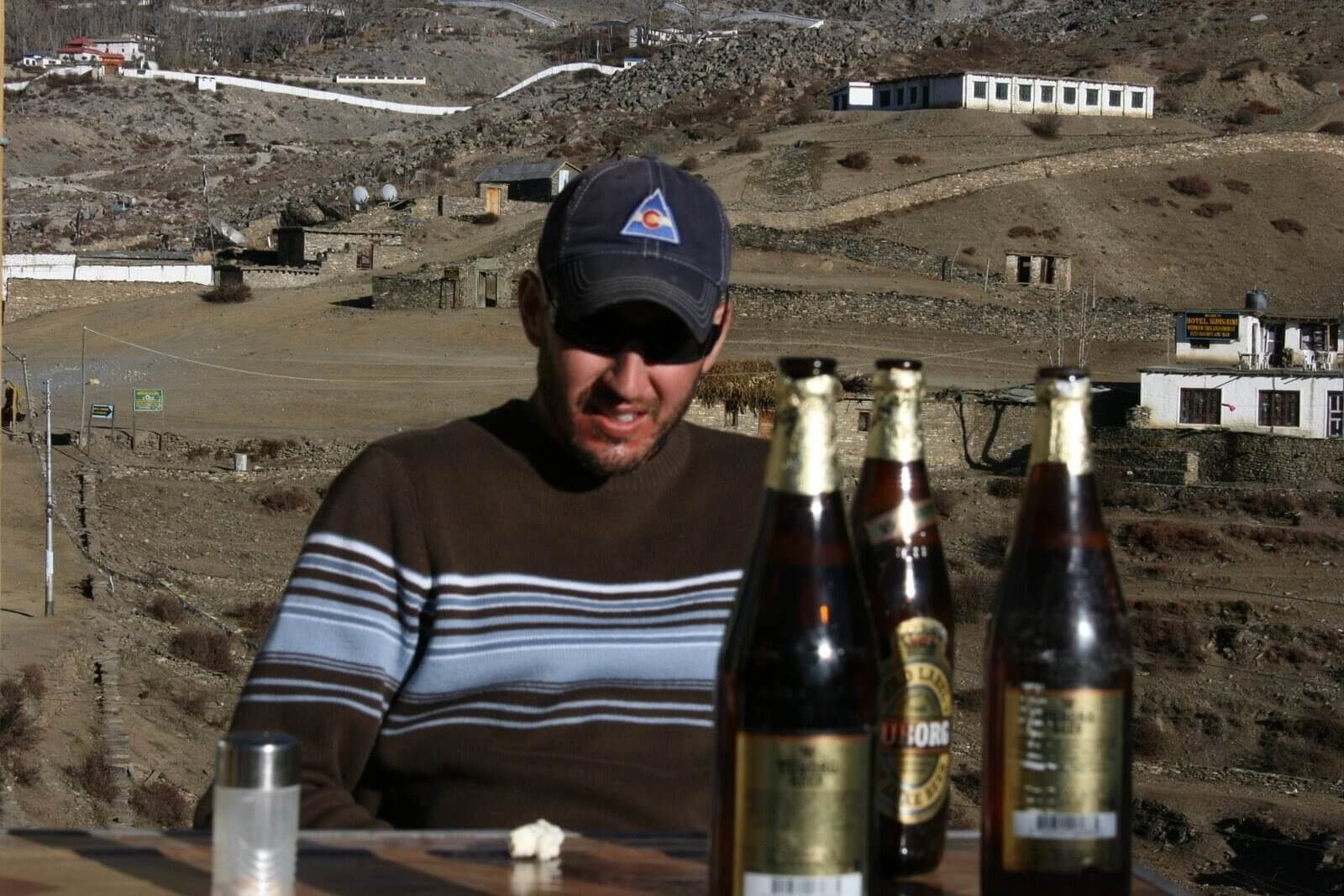
The villages are a big part of it too. You’re not just out in the mountains the whole time. You’re moving through small communities, staying in teahouses, eating simple meals, and settling into a rhythm that starts to feel normal after a few days.
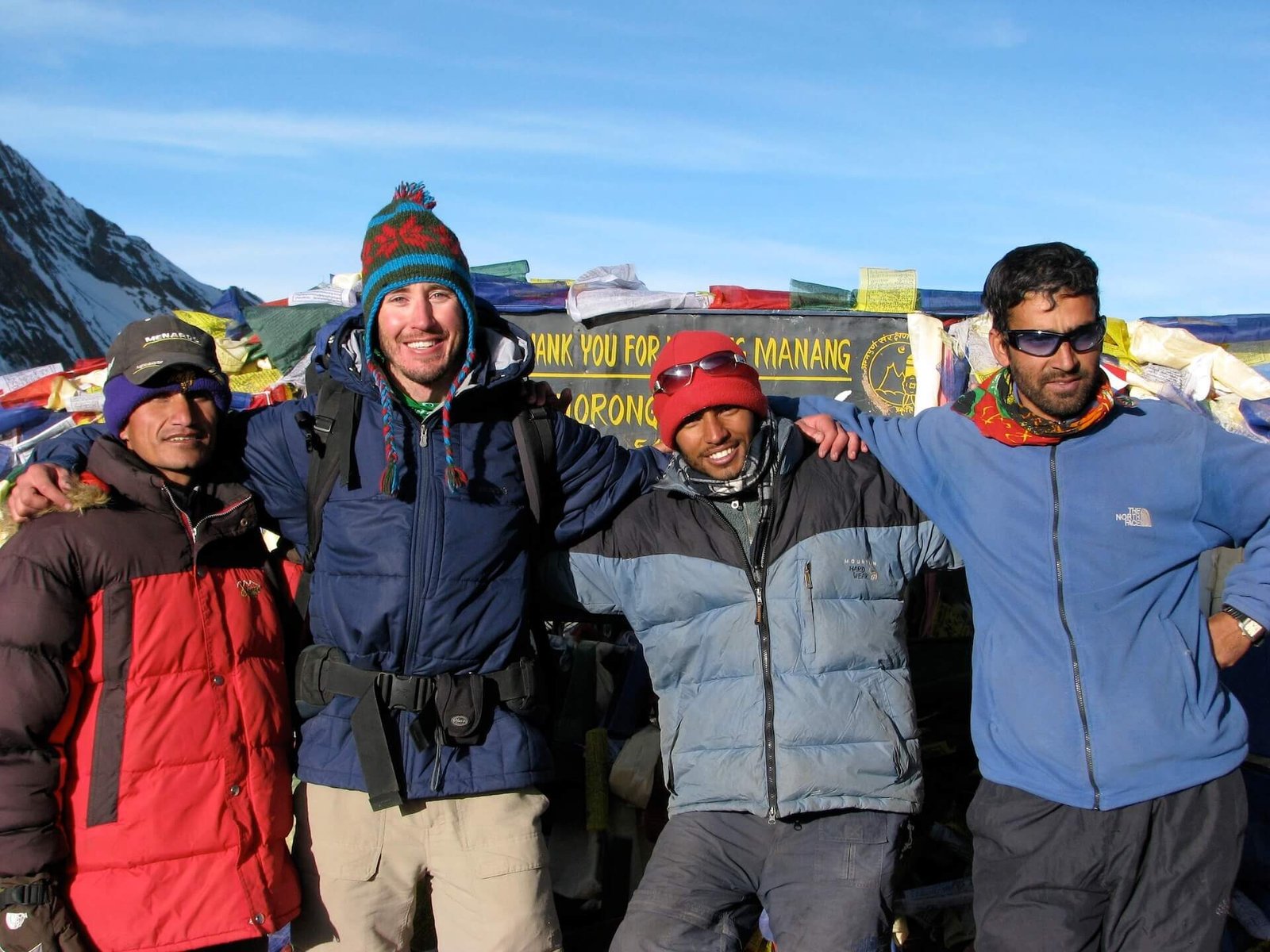
Crossing Thorong La is the high point, both physically and mentally. We started before sunrise, bundled up and moving slow in the dark. By the time we reached the top, the light was just starting to hit the peaks, and it felt like everything had built to that moment.
After that, the pressure drops. The scenery is still there, but the edge comes off a bit as you descend and start working your way back toward lower elevations.
🏔️ Trek Highlight: Crossing Thorong La Pass
- A mental and physical summit at 5,416 m — the highest point on the Annapurna Circuit
- A trek that naturally splits into two chapters: build‑up and descent
- Summit morning begins in total darkness with headlamps and layers
- Celebration at the top: prayer flags, tea, elevation triumph — and even a dance or two
- The gradual descent: pace eases, altitude worry fades, and walking feels more relaxed
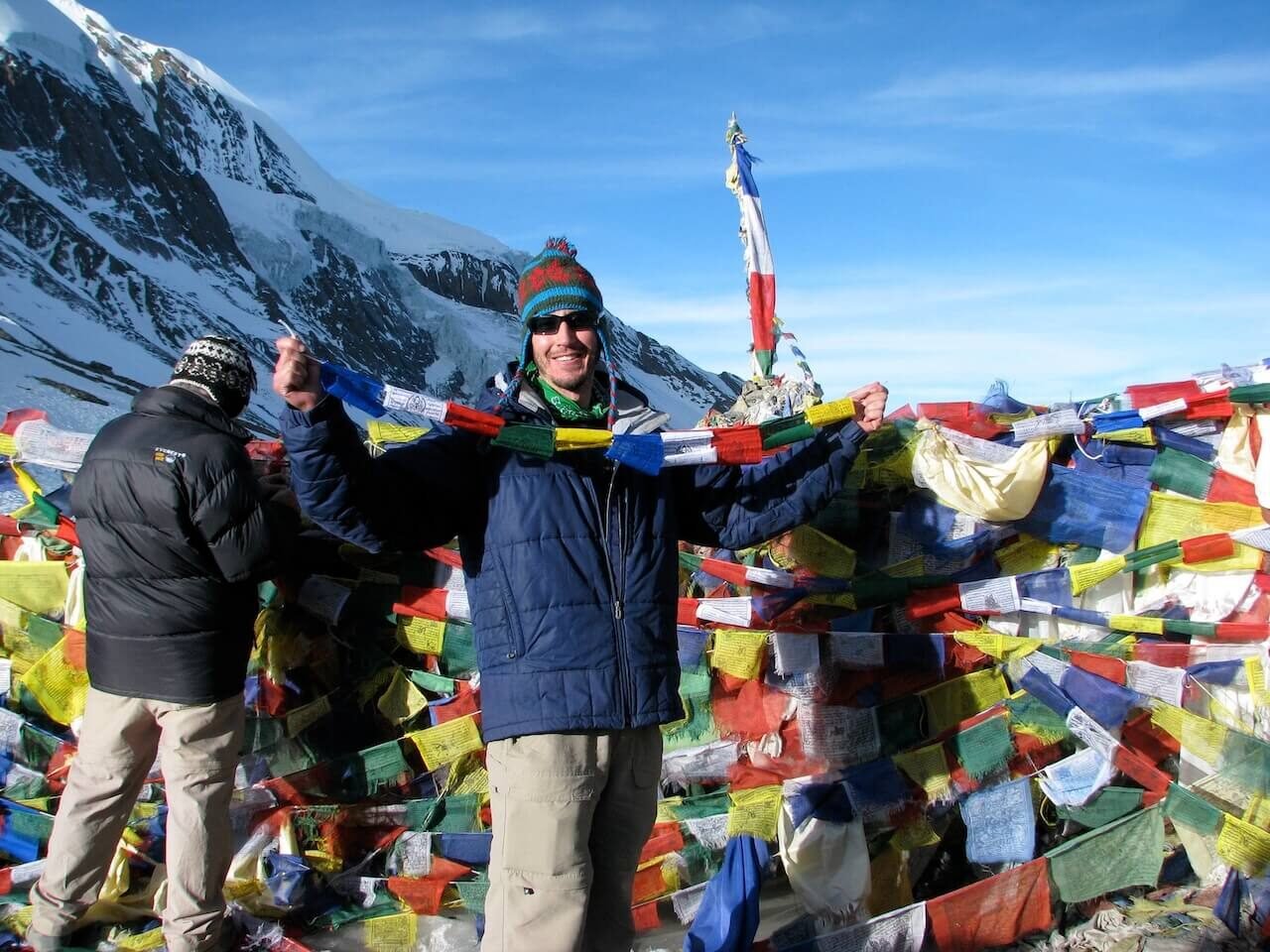
Watch: Here’s a clip of our crew dancing atop Thorong La — we were high on altitude and good vibes.
🌍 Cultural Diversity & Scenic Variety
- Trek through shifting cultures: Hindu lowlands to Tibetan-influenced highlands
- See iconic peaks daily: Annapurna I–IV, Dhaulagiri, Gangapurna, Machhapuchhre
- No backtracking: a true circuit with new scenery and villages every day
- Live trails: travel through working communities, not just wilderness
- Moments of daily surprise: glacier views one day, teahouse movie nights the next
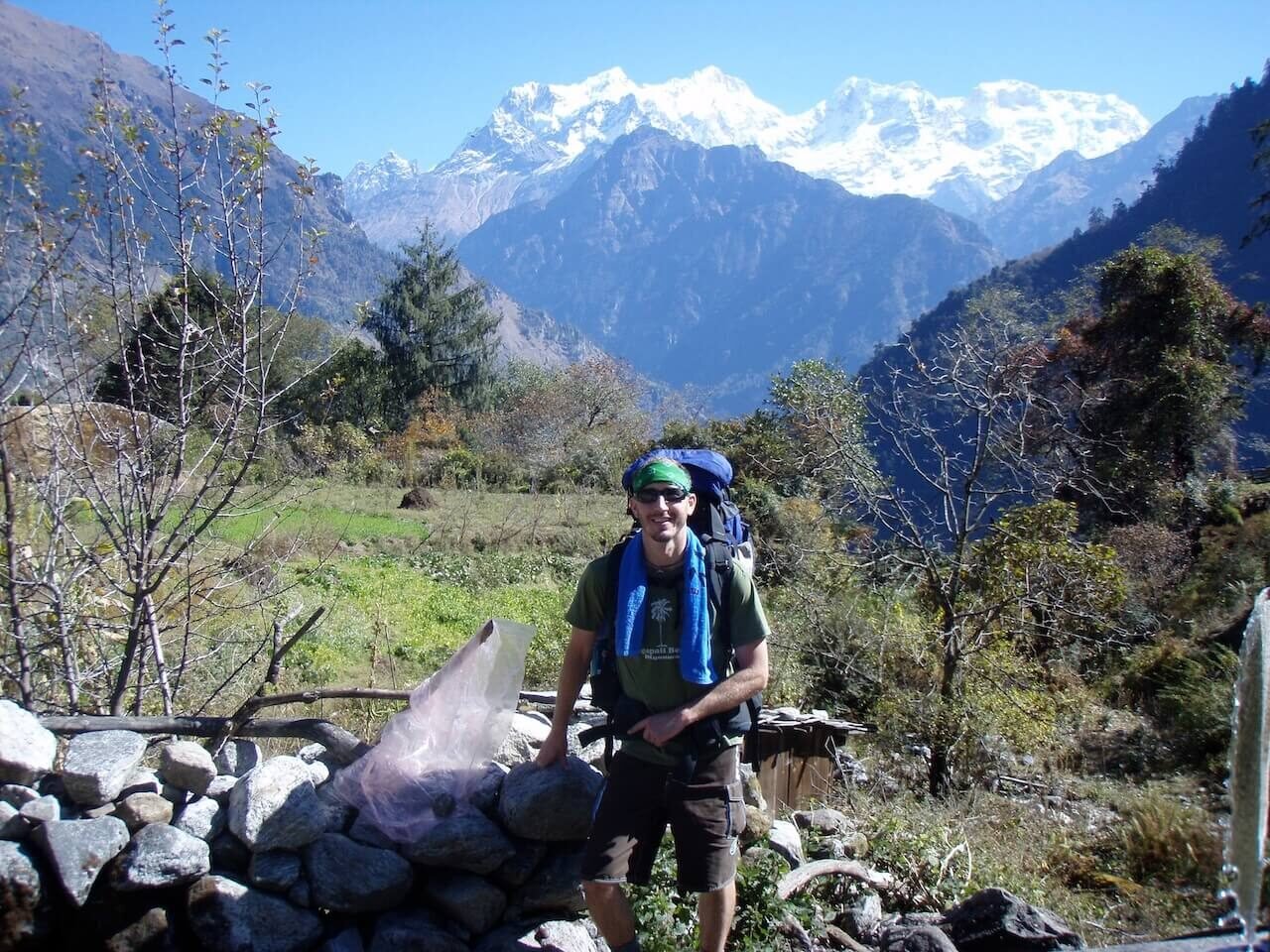
The Annapurna range itself is massive — a collection of giants that shift subtly with every bend in the trail. I’m talking Annapurna I (8,091 m), II (7,937 m), III (7,555 m), IV (7,525 m), Gangapurna (7,454 m), Dhaulagiri (8,172 m), and Machhapuchhre (6,997 m). You don’t need to memorize the names, just know they’re ever-present companions: sometimes distant, sometimes towering right above you. And the best part? No retracing your steps. It’s a true circuit — every day is forward momentum.
🧭 Guide Support & Flexible Flow
- Guides handle permits, bookings, meals, transport , so you don’t have to
- Includes teahouse reservations and organized acclimatization buffers
- Option to hire porters for heavy gear, or go self‑sufficient (as I did)
- Guides share local insight and culture and occasionally lighten the mood
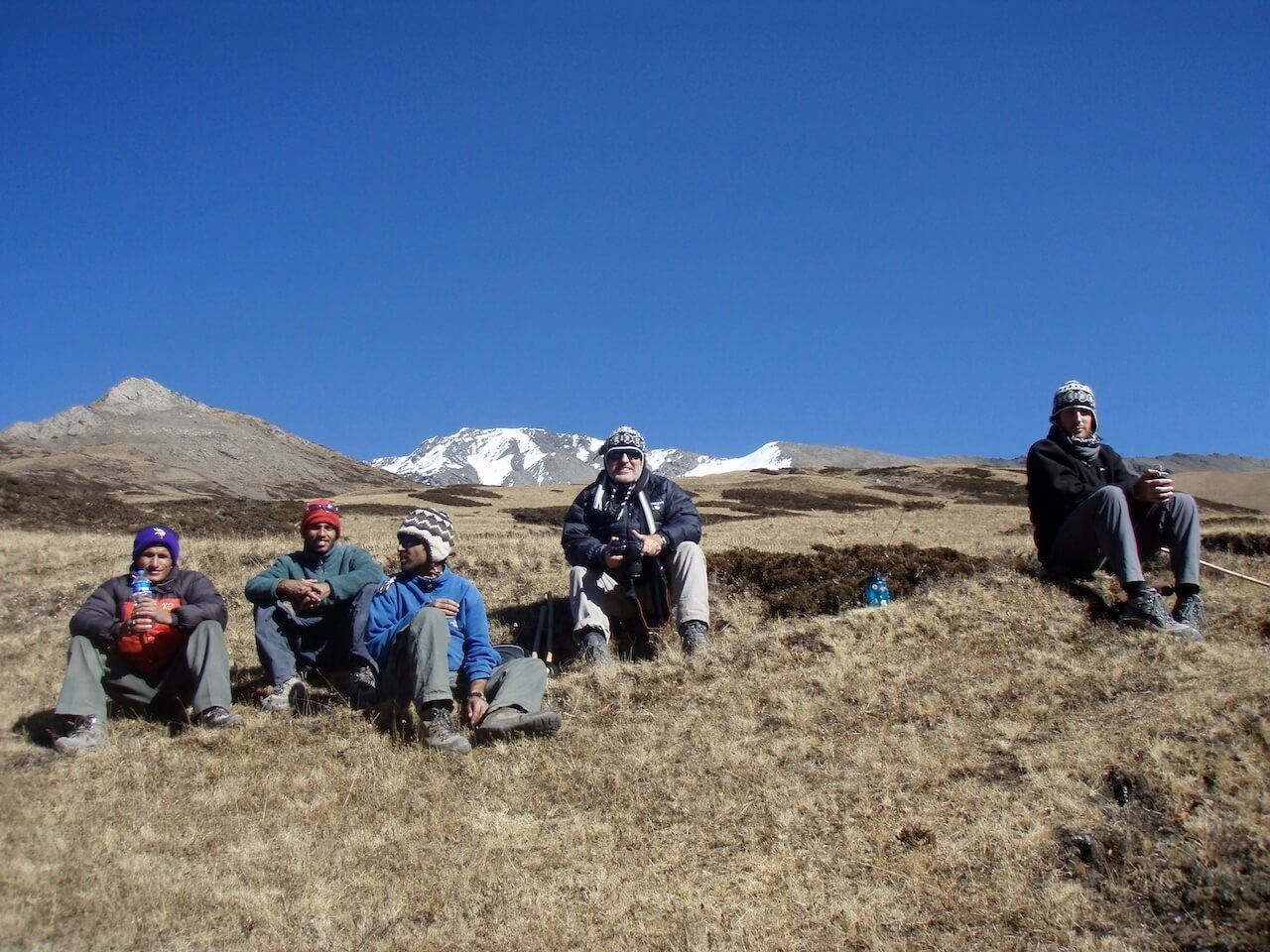
By 2023, guided treks on Annapurna are required by law, making the experience not just practical but essential. With a guide, you hike more and stress less—and connect with this place through people, not just views.
🏔️ Everest Base Camp
Everest is more focused.
You’re there for one thing, and everything builds toward it. The scenery is high alpine from the start, with glaciers, rock, and big mountain views right away.
The payoff is different too. Instead of a slow build, you get that moment standing near Base Camp or up on Kala Patthar, looking out at Everest. It’s more direct and a bit more intense.
Culturally, the trail runs through Sherpa villages and Buddhist areas, so the experience feels more concentrated. Monasteries, prayer flags, and yak trains are part of the daily rhythm.
It’s also a busier trail. More trekkers, more movement, more of a shared experience compared to the quieter stretches you get on Annapurna.
🧭 Which Trek Is Better for You
If you’re still deciding between the Annapurna Circuit and Everest Base Camp, it really comes down to what kind of experience you’re looking for.
🌀 Choose the Annapurna Circuit if…
You want variety.
The scenery changes constantly, and it feels like you’re moving through completely different regions as the days go on.
You prefer a loop.
You’re not retracing your steps. Each day brings something new, which makes a long trek feel more like a journey than a mission.
You care about the full experience, not just a single destination.
It’s not about one viewpoint. It’s about everything leading up to and beyond it.
You’ve got the time.
This trek works best when you let it unfold over a couple of weeks instead of rushing it.
🏔️ Choose Everest Base Camp if…
You want Everest.
That’s the reason to go. Standing near Base Camp or looking out from Kala Patthar is the draw.
You’re working with a tighter schedule.
The route is more defined, and most itineraries fit into about two weeks.
You like having a clear objective.
There’s a start, a destination, and a return. No guesswork.
You don’t mind retracing your steps.
You’ll be walking the same trail on the way back, which some people enjoy and others don’t.
🧭 Annapurna vs Everest at a Glance
If I had to choose again, I’d still go Annapurna.
But if seeing Everest up close is the goal, there’s really only one way to do that.
👉 Browse Annapurna Circuit treks
👉 Browse Everest Base Camp treks
| Feature | Annapurna Circuit | Everest Base Camp |
|---|---|---|
| Iconic view | A slow reveal of an entire mountain range | Dramatic Everest view from Kala Patthar at sunrise |
| Culture | Mix of Hindu and Tibetan‑influenced villages | Sherpa‑focused monasteries and Buddhist hubs |
| Trail structure | Long, gradual, loop/circuit route | Short, steep, out‑and‑back route |
| Altitude gain | Spread over weeks — gentler acclimatization | Rapid ascent — higher altitude risk |
| Crowds & comfort | More solitude, rustic charm | Busy teahouses, more developed infrastructure |
🛣️ Trail Logistics & Getting There
Getting to the start of each trek is part of the experience.
The Annapurna Circuit is reached by road, while Everest Base Camp starts with a flight into the mountains. That difference alone shapes how each trek feels from day one.
🌀 Annapurna Circuit
Most Annapurna treks start with a long drive from Kathmandu to Besisahar or further up the road, depending on your route.
It’s not glamorous. Bumpy roads, long hours, and a bit of chaos. But once you’re there, you start walking and don’t really stop until the trek is done.
One thing that’s changed over the years is road access. Jeeps now reach further into the circuit, which gives you options to shorten the trek or skip sections. That can be useful if you’re tight on time, but it also takes away some of the remote feel.
If you want the full experience, you’ll want to be selective about where you start and finish.
🏔️ Everest Base Camp
Everest Base Camp starts with a flight into Lukla.
It’s short, but it has a reputation for a reason. Small planes, mountain weather, and delays are all part of it. If conditions aren’t right, you wait.
Once you land, the trek begins immediately. There’s no road access, so you’re committed to the route from the start.
That also means fewer exit options. If something changes, your choices are limited to walking out or arranging a helicopter.
🪪 Permits & Guides
Both treks require permits, and in most cases, your guide or tour company will handle them.
For Annapurna, you’ll need ACAP and TIMS permits, and as of recent regulations, trekking with a licensed guide is required.
For Everest, you’ll need a Sagarmatha National Park permit and a local Khumbu permit. Guides are still optional, but most people go with one.
🧭 Tours & Booking
I didn’t exactly plan my trek the first time around. I showed up in Kathmandu, walked into a shop in Thamel, and signed up for a trek that looked good enough.
It worked out, but I wouldn’t do it that way again.
These days, it’s easier to sort things out ahead of time and avoid the guesswork.
🌀 Booking the Annapurna Circuit
If you’re doing the full Annapurna Circuit, the biggest decision is how long you want to be out there.
Shorter itineraries (10–14 days) usually skip sections by jeep. Longer ones (15–20 days) follow the traditional route and give you time to adjust to the altitude.
If I were booking again, I’d stick with something in that longer range and look closely at how the route is structured.
👉 Browse Annapurna Circuit treks
🏔️ Booking Everest Base Camp
Everest Base Camp is more standardized.
Most itineraries follow the same general route over 12–14 days, starting with the flight to Lukla and building in a couple of acclimatization days along the way.
From there, it’s more about choosing the style of trek. Some people keep it simple, others add upgrades like helicopter returns.
👉 Browse Everest Base Camp treks
🌤️ Best Time to Trek
When you go matters just as much as which trek you choose.
Conditions can shift quickly in the Himalayas, but most people plan around two main seasons.
🌸 Spring (March–May)
Mild temperatures, clear views, and rhododendrons in bloom.
Trails are in good shape, and visibility is usually solid. It’s a popular time to go, especially on the Everest side, so expect more people on the trail.
🍁 Autumn (September–November)
This is the most reliable season.
Clear skies, dry trails, and consistent mountain views. I did the Annapurna Circuit in the fall and had mostly clear days the entire way.
It’s also the busiest time of year, so teahouses fill up and trails can feel crowded in places.
🌧 Monsoon / Summer (June–August)
Wet, muddy, and unpredictable.
Rain is constant, especially on the lower sections of Annapurna, and landslides can disrupt travel. Everest tends to be slightly better, but flights into Lukla are often delayed.
Some trekkers aim for quieter routes or rain-shadow regions, but this isn’t the easiest time to go.
❄️ Winter (December–February)
Colder, quieter, and less predictable at higher elevations.
Lower sections are still accessible, but snow can close high passes like Thorong La. Nights get very cold, and some teahouses shut down for the season.
🗓️ Quick Take
Spring and autumn are the safest bets if you want clear views and stable conditions.
If you go outside those windows, you’ll deal with fewer people, but you’ll need to be more flexible.
| Season | Months | Pros | Cons |
|---|---|---|---|
| Spring | March–May | Mild temps, rhododendron blooms, stable weather, great views | High season, popular routes can get crowded |
| Monsoon | June–August | Lush scenery, quiet trails, good for rain-shadow regions | Heavy rain, muddy trails, risk of landslides and delays |
| Autumn | September–November | Clear skies, dry trails, best visibility — a favorite season for many | Busiest time of year, early bookings needed |
| Winter | December–February | Quiet trails, crisp views, lower prices | Very cold, snow closures on high passes |
🎒 Essential Trekking Gear
You don’t need anything overly technical for either trek, but you do need to get the basics right.
If something’s off, you’ll feel it pretty quickly after a few days on the trail.
Footwear & Basics
- Broken-in hiking boots (this matters more than anything else)
- Comfortable shoes or sandals for the evenings
- Good socks. Bring more than you think you need
Layers
- Base layers for warmth
- A mid-layer (fleece or light puffy)
- Waterproof shell (jacket and pants)
- A warmer jacket for early mornings and high elevations
Temperatures swing a lot, especially as you gain altitude, so layering is key.
On the Trail
- Trekking poles (your knees will thank you on the way down)
- Daypack (30–50L range works well)
- Water bottles or bladder + purification
- Headlamp for early starts
Extras That Help
- Sleeping bag (cold nights get real at altitude)
- Basic first aid (blisters, pain relief, stomach issues)
- Sunscreen and lip balm
- Power bank for charging devices
Most of this can be bought or rented in Kathmandu or Pokhara. It’ll get the job done, but quality varies. If you already have gear you trust, bring it.
📬 Final Thoughts
If you’ve made it this far, you probably already have a leaning one way or the other.
Both treks are worth doing. You’re really just deciding what kind of experience you want to have.
For me, the Annapurna Circuit delivered exactly what I was looking for. The changing landscapes, the slower build, and the feeling of moving through something instead of toward a single point. It never felt repetitive, and by the time it was over, it felt like I’d actually been somewhere.
That said, I get the draw of Everest. If that’s been on your list for years, there’s not much point in overthinking it. You go.
Either way, you’re signing up for a few weeks of walking, thin air, and a completely different rhythm of life. It’s simple, it’s uncomfortable at times, and it sticks with you longer than most trips.
Pick one, commit to it, and go see it for yourself.
❓ Trekking in Nepal FAQs
Which trek is better: Annapurna Circuit or Everest Base Camp?
It depends on what you’re looking for. Annapurna offers more variety and a true point-to-point journey, while Everest is more focused on reaching Base Camp and seeing Everest up close.
Is Annapurna Circuit easier than Everest Base Camp?
Annapurna feels more manageable because the altitude builds more gradually. Everest is shorter, but you gain elevation faster, which can make it feel tougher early on.
How long do these treks take?
The Annapurna Circuit usually takes 15–20 days for the full route, though shorter versions exist. Everest Base Camp is more fixed at around 12–14 days.
What is the best time of year to trek in Nepal?
Spring (March–May) and autumn (September–November) are the most reliable. I did Annapurna in the fall and had clear skies most of the way.
Do I need a guide for these treks?
For Annapurna, yes. Current regulations require a licensed guide. For Everest Base Camp, guides are still optional, but most people go with one for logistics and support.
Is altitude sickness a real concern?
Yes. Both treks go above 5,000 meters, and altitude affects everyone differently. The key is taking it slow, staying hydrated, and paying attention to how you feel.
How much do these treks cost?
It depends on how you do it. Guided treks vary widely based on length and comfort level, while independent costs come down to accommodation, food, and permits.
What are teahouses like?
Simple and functional. You’ll get a bed, hot meals, and a place to rest. Some offer extras like WiFi or hot showers for an added cost.
🥾 More Treks in Asia Worth Exploring
Once you’ve tasted the highs (and sore legs) of trekking in Nepal, it’s hard not to start dreaming about the next trail. Here are a few other routes across Asia that left their mark on me:
- 🇰🇷 Climbing Hallasan on Jeju Island : South Korea’s highest peak delivered heat, volcanic rock, and a surprising difficult descent I won’t forget anytime soon. Read my Hallasan Hiking Guide
- 🇰🇷 Trekking & Camping in Daegwallyeong, Gangwon-do: The mainland mountains of Korea might not get as much attention, but this snowy forest escape is one of the country’s most underrated gems. Explore Daegwallyeong
- 🇻🇳 Sapa, Vietnam: A softer, more cultural kind of trekking through misty rice terraces and homestay villages in northern Vietnam. No permits or porters required. Read my Sapa Trekking Guide
👉 Learn more and get free help with your Asia trek planning →