
Quick heads up: This post may contain affiliate links to gear, hotels, flights, or experiences I’ve used or genuinely recommend. If you book through one, I may earn a commission at no extra cost to you. Full disclosure here.
I’ve used an Airalo eSIM across multiple international trips, including Vietnam, Japan, and India. Here’s why it’s become my go-to option.
When I first started traveling in the early 2000s, I did it with a Lonely Planet guidebook and a pair of backpacks strapped to both sides of my body.
No smartphones. No constant connection. You had to figure things out as you went. For better or worse, they were simpler times.
Eventually, my travels turned into a constant search for WiFi. Hotels, cafés, airports. The password became the key to my next move.
For a while, I experimented with buying physical SIM cards from dodgy airport or street vendors. They worked, but I ended up in a few alleyways my parents probably wouldn’t have been happy about.
Then, several years ago, I tried my first eSIM on a trip to Vietnam.
I set it up before the trip, landed, and had data right away. Hallelujah. Where had you been all my life?

Airalo eSIM (Quick Review)
I’ve used Airalo on three separate international trips now, and it’s worked every time.
Vietnam, Japan, India. Cities, smaller towns, up in the mountains. I’ve had data as soon as I land and haven’t had to think much about it after that.
The biggest difference is just having it ready before the trip. No dealing with SIM cards. No relying on airport WiFi.
It’s not the only option. On a recent trip to Japan, my brother just used roaming from his U.S. plan and didn’t seem to pay much more than I did. It’s worth checking with your local phone provider to see if that’s an option for you.
I live in South Korea and now find an eSIM to be the best choice for me. Airalo hasn’t let me down. It’s quick and easy to set up, reliable, and easy to top up if you underestimate how much data you’ll need.
Where I’ve Used It
Vietnam
This was the first time I tried Airalo.
I set it up before the trip, landed in Hanoi, switched it on in my phone settings, and had a connection right away. No messing around with airport WiFi or trying to find a SIM card after a long flight.
I used it throughout the trip. Getting around Hanoi, booking things on the fly, and staying connected while moving between places.
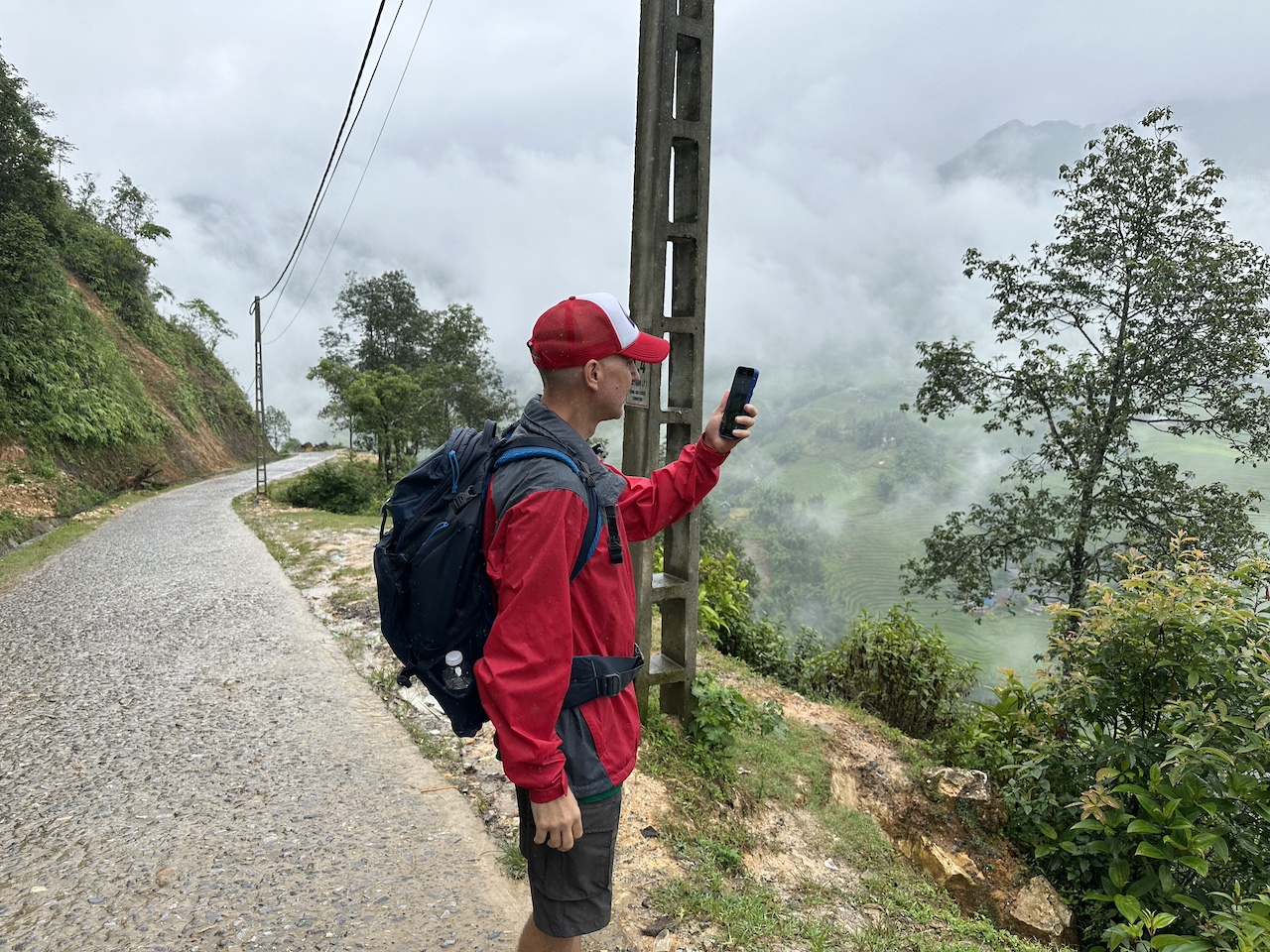
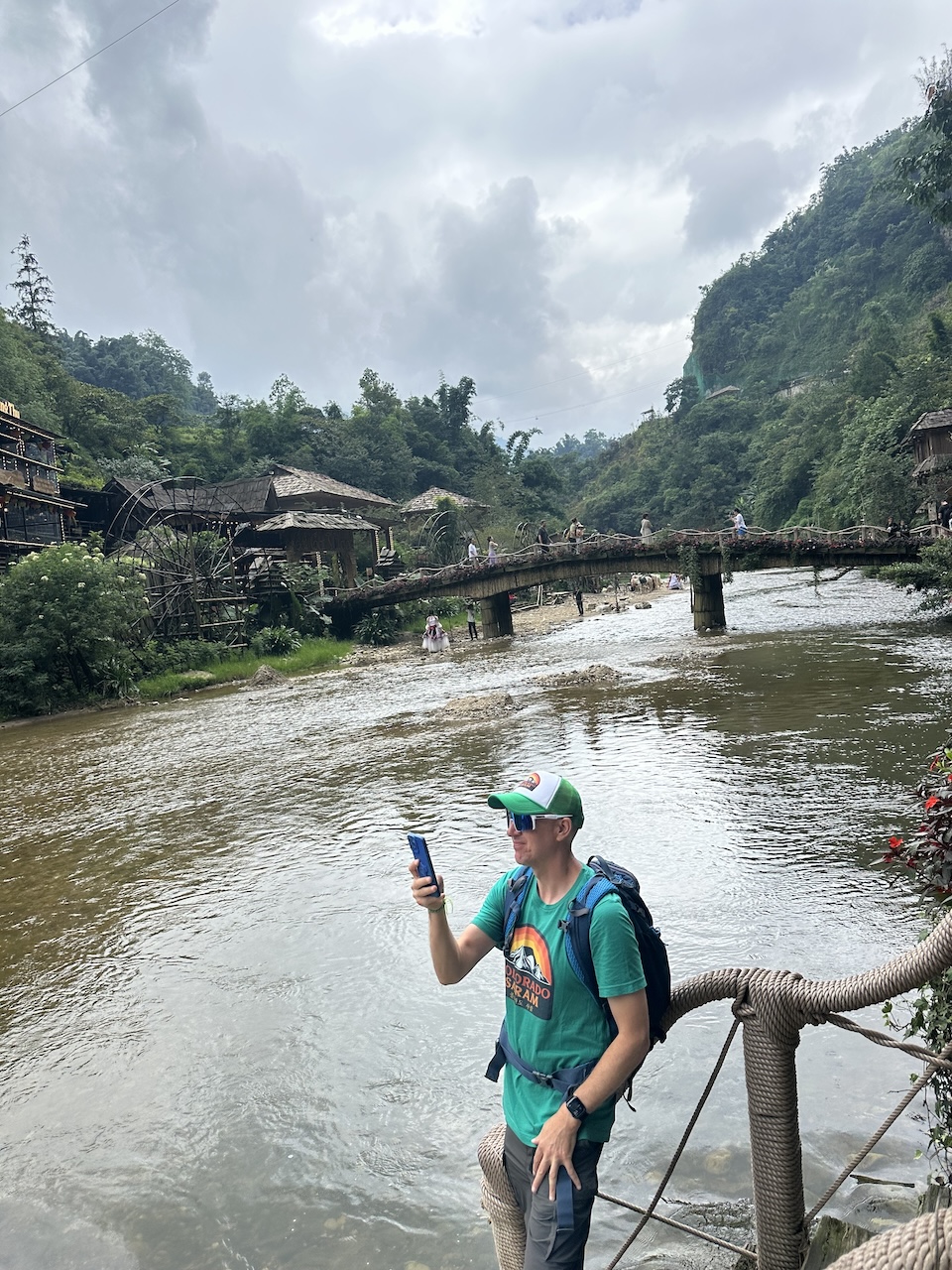
Up in Sapa, it still held a connection. I had service while trekking and even up on Fansipan. It wasn’t perfect on the long bus ride to get there. There were stretches where the connection dropped to something slower, but it always came back.
Japan
I used Airalo again on a ski trip to Hokkaido the following winter.
Same setup as before. I landed in Sapporo, turned it on, and my phone was up and running before I even stepped off the plane.
Most of that trip was spent skiing at Niseko and Rusutsu, and I had a solid connection the whole time. I used it for maps, lift tickets, and getting around town.
We also had a rental car, and the built-in navigation system was basically useless, even when switched to English, so I relied on Google Maps the entire time.
I stayed connected on the road and around the resorts without any issues.

India
My most recent experience using an Airalo eSIM was on a trip to India.
I used it during a few hectic days in Delhi, including a day trip to Agra to visit the Taj Mahal. That was about three hours each way, and I stayed connected the entire time.
I also had a nine-hour layover in Delhi on the way home, and it was nice not having to rely on spotty airport WiFi to get through it.
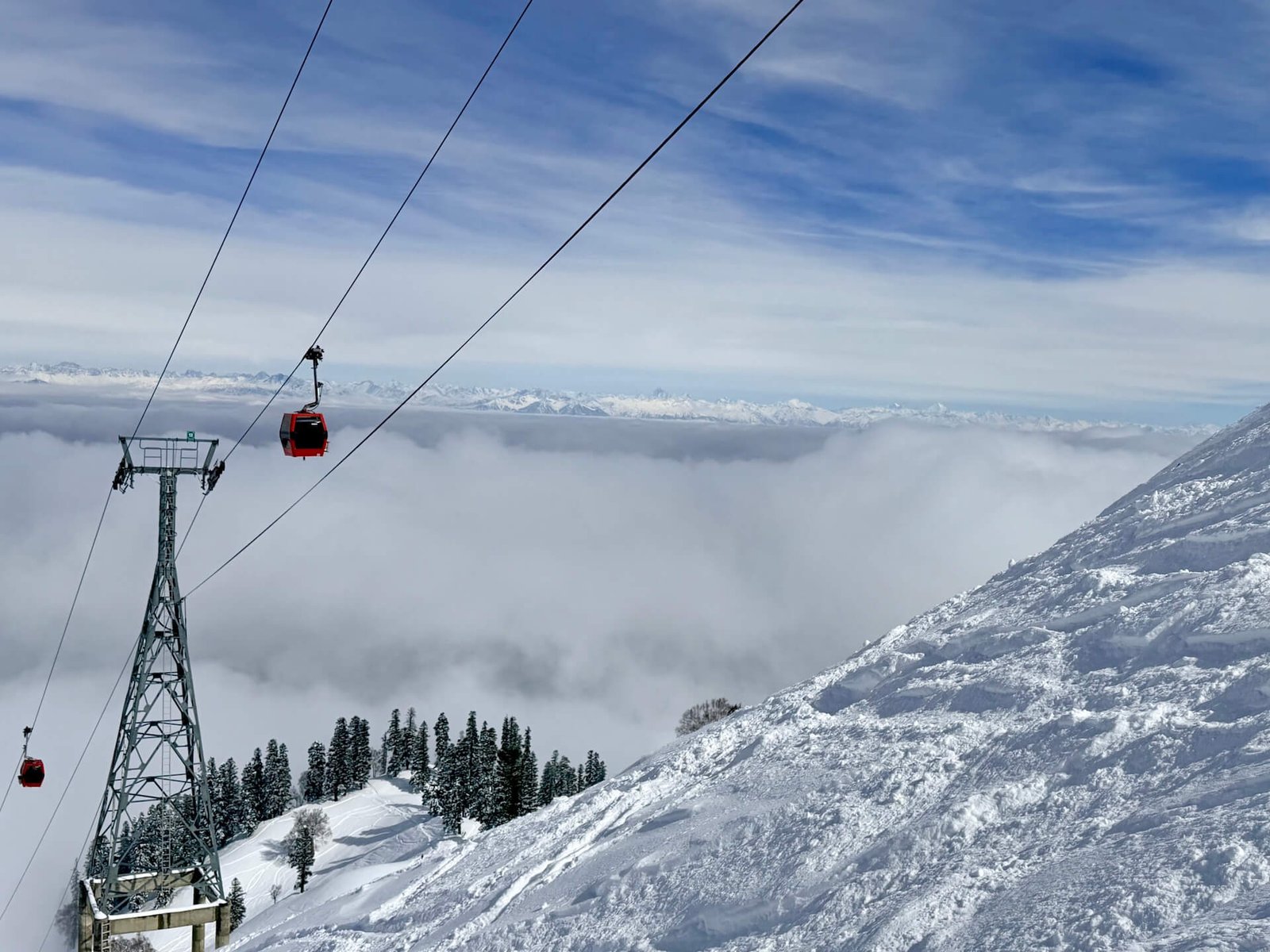
Part of that trip was in Kashmir, where foreign SIMs don’t work at all. I overshot on the amount of data I thought I needed as a result, but I knew that going in, so that one’s on me.
Everywhere else, it worked the same way it had on the previous trips.
What It’s Like to Use
The first time you set up an Airalo eSIM might take some attention to detail. After you’ve done it once, if you choose to use it again, you’ll breeze right through it.
Basically, you select the country you’re going to and a plan that fits your needs through the app or website, open up your phone settings, and follow along with a set of instructions that walk you through getting it installed. It’s not hard, but it does take a few minutes to slow down and pay attention the first time you do it.
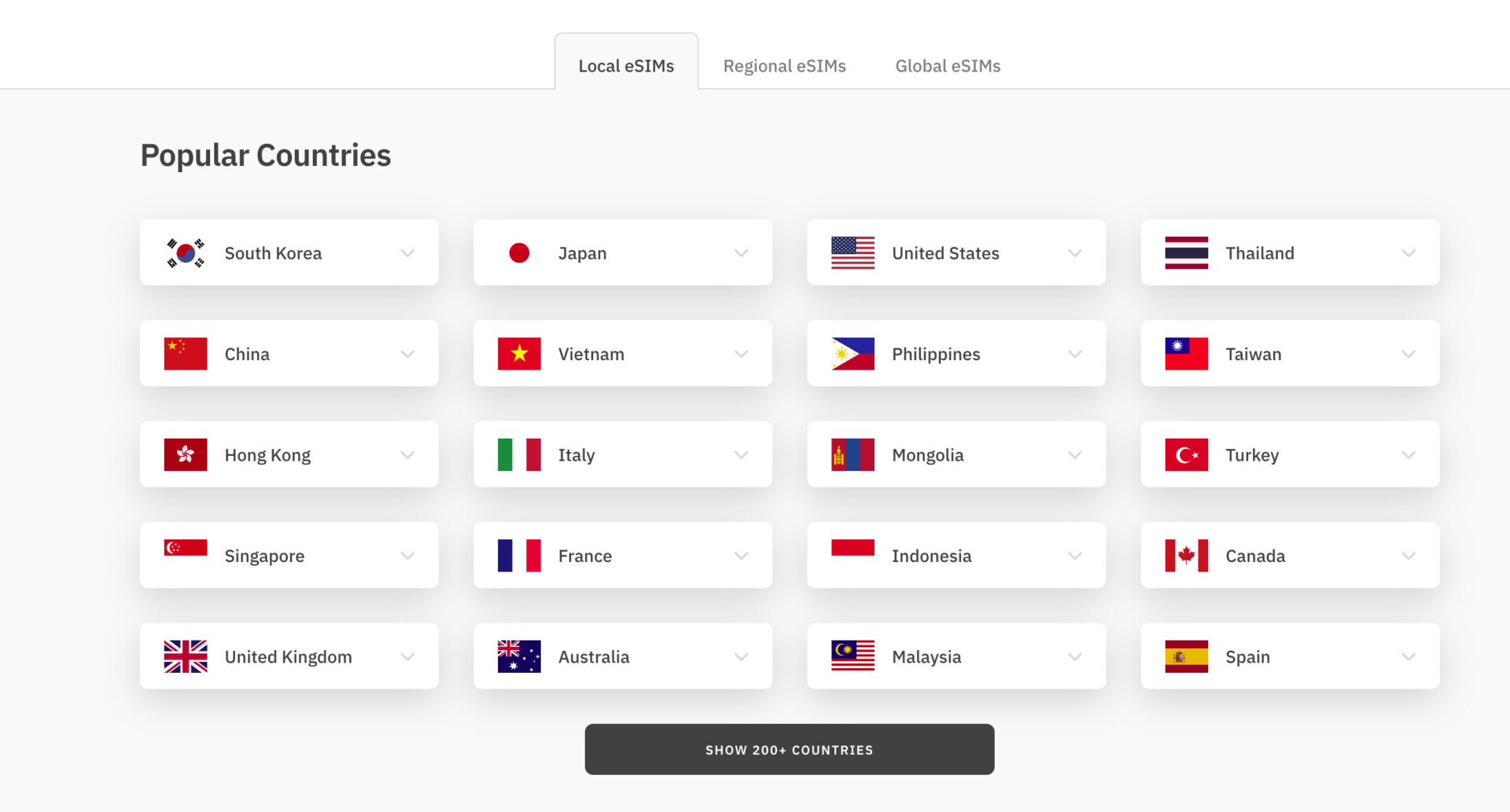
Before that first trip to Vietnam, it took me a while to get everything set up as I cautiously followed the instructions. That said, I started traveling before smartphones were even a thing, so this may not apply to you.
Now that I’m familiar with the process, I just buy the plan in the app, install it at home on WiFi, and leave it there until I land. Once I arrive, I switch my data over to the eSIM in my phone settings, and within a minute or two, I’m connected.
No digging around for a SIM card. No standing in line at an airport kiosk. No asking for a WiFi password just to figure out how to get into the city.
The app also makes it easy to keep an eye on how much data you’re using.
If you run low, topping up only takes a couple of minutes. I had to do that once in Vietnam, and it was simple enough that I didn’t think twice about it.
What Worked Well
The biggest thing for me has just been consistency.
I’ve used Airalo across three different trips now, and it’s been the same experience each time. Set it up, land, turn it on, and it works.
It also held up in places I wasn’t sure it would. Trekking around Sapa, up on Fansipan, driving through Hokkaido between ski resorts, long stretches on the road in India. I always had enough of a connection to use maps and stay on track.
Being able to get connected right away is another one. After a long flight, the last thing I want to do is stand in line for a SIM card or try to figure things out on spotty airport WiFi. Having data ready to go as soon as I land makes that whole process easier.
Topping up is simple too. I had to do it once in Vietnam when I started running low, and it only took a couple minutes through the app.
Overall, it’s been reliable across multiple trips, which is really all I’m looking for when it comes to something like this.
Things to Consider
The biggest thing is just picking the right plan.
On my trip to India, I overestimated how much data I’d need. Between time in Kashmir where it didn’t work at all and cutting part of the trip short, I ended up leaving a lot of data unused. Not a huge deal given the price, but still something to think about.
Going the other direction isn’t much of a problem. You can top up pretty easily through the app. That said, you’ll likely pay a little more overall than if you had just picked the right plan from the start.
It’s also worth remembering that you’re connecting to local networks.
If you’re in a place where the local signal is weak, your connection will be too. I noticed that on a few bus rides through more remote parts of northern Vietnam where things slowed down quite a bit.
The other thing depends on how you use your phone.
I don’t spend much time streaming or doing anything data-heavy when I’m not on WiFi, so I’ve been fine with smaller plans. If you’re watching videos, gaming, or using a lot of data throughout the day, you’ll probably want to size up.
There are also other eSIM providers out there.
Airalo is just the one I’ve used, and I haven’t had a reason to switch. But it’s probably worth taking a look at a few options before you buy, just to see what’s out there.
Final Take
I’ve used Airalo on multiple trips now, and I keep coming back to it for a reason.
It’s worked in Vietnam, Japan, and India without giving me any real issues, and it’s made getting connected after landing a lot simpler than what I used to deal with.
It’s not perfect. You still have to think about how much data you’ll need, and your connection is only going to be as good as the local network you’re on.
But for how I travel, it does exactly what I need it to do.
At this point, it’s just the option I trust when I’m heading somewhere new.
👉 Check Airalo eSIM plans for your trip
Airalo eSIM FAQ
Is Airalo reliable for international travel?
From my experience, yes. I’ve used it across multiple trips in Vietnam, Japan, and India, and it worked every time I needed it.
How much data do I actually need for a trip?
It depends on how you use your phone. I don’t stream much or use data-heavy apps, so smaller plans have worked fine for me. If you’re watching videos or using a lot of data throughout the day, you’ll want a larger plan.
What happens if I run out of data?
You can top up your plan through the app. I had to do it once in Vietnam, and it only took a couple of minutes.
Is it better to overestimate or underestimate your data plan?
Underestimating isn’t a big issue since you can top up easily. Overestimating can leave you with unused data, which is what happened to me on a trip to India when my plans changed.
Does Airalo work in remote areas?
It depends on the local network. I had service while trekking in Sapa and even up on Fansipan, but there were times in more remote areas where the connection slowed down.
Can I use Airalo as soon as I land?
Yes. Once it’s installed, you can switch to the eSIM in your phone settings after landing and connect within a minute or two.
Is Airalo better than using roaming from my home carrier?
Not always. On a trip to Japan, my brother used roaming from his U.S. plan and didn’t pay much more than I did. It’s worth checking what your provider offers, but I still prefer using an eSIM for the control and visibility over my data usage.
Do I need to install the eSIM before I travel?
That’s how I’ve done it. I install it ahead of time on WiFi, then switch it on when I land.