Quick heads up: This post may contain affiliate links to gear, hotels, flights, or experiences I’ve used or genuinely recommend. If you book through one, I may earn a commission at no extra cost to you. Full disclosure here.
Post Under Construction for an Update. 4/1/2026
When I first started traveling in the early 2000s, I did it with a Lonely Planet guidebook and a pair of backpacks strapped to both sides of my body.
No smartphones. No constant connection. You had to figure things out as you went. For better or worse, they were simpler times.
Eventually, my travels turned into a constant search for WiFi. Hotels, cafés, airports. The password became the key to my next move.
For a while, I experimented with buying physical SIM cards from dodgy airport or street vendors. They worked, but I ended up in a few alleyways my parents probably wouldn’t have been happy about.
Then, several years ago, I tried my first eSIM on a trip to Vietnam.
I set it up before the trip, landed, and had data right away. Hallelujah. Where had you been all my life?

Airalo eSIM (Quick Review)I’ve used Airalo on three separate international trips now, and it’s worked every time.
Vietnam, Japan, India. Cities, smaller towns, up in the mountains. I’ve had data as soon as I land and haven’t had to think much about it after that.
The biggest difference is just having it ready before the trip. No dealing with SIM cards. No relying on airport WiFi.
It’s not the only option. On a recent trip to Japan, my brother just used roaming from his U.S. plan and didn’t seem to pay much more than I did. It’s worth checking with your local phone provider to see if that’s an option for you.
I live in South Korea and now find an eSIM to be the best choice for me, and Airalo hasn’t let me down. It’s quick and easy to set up, reliable, and easy to top up if you underestimate how much data you’ll need.
Where I’ve Actually Used It
Vietnam
This was the first time I tried Airalo.
I set it up before the trip, landed in Hanoi, switched it on in my phone settings, and had a connection right away. No messing around with airport WiFi or trying to find a SIM card after a long flight.
I used it throughout the trip. Getting around Hanoi, booking things on the fly, and staying connected while moving between places.
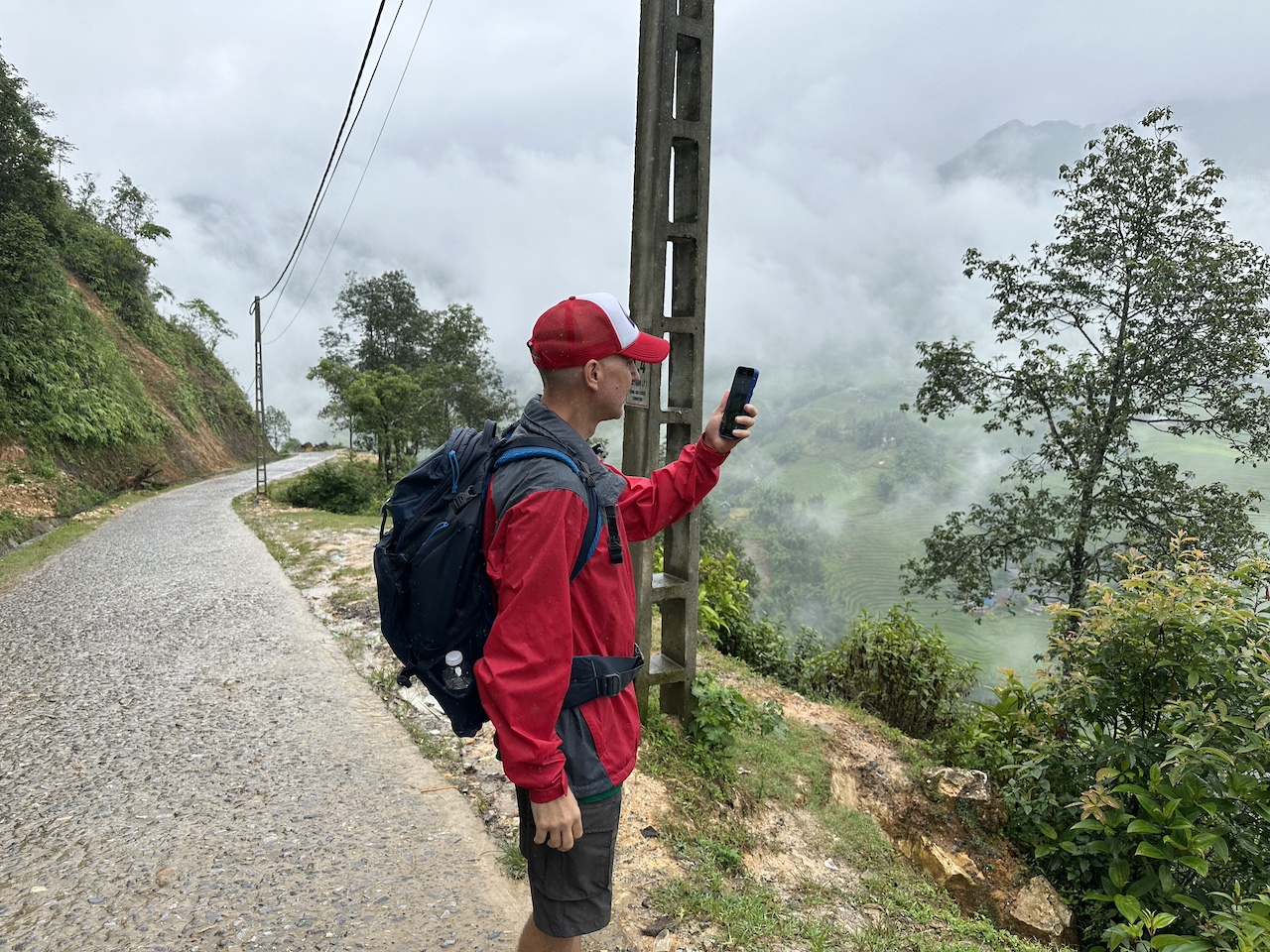
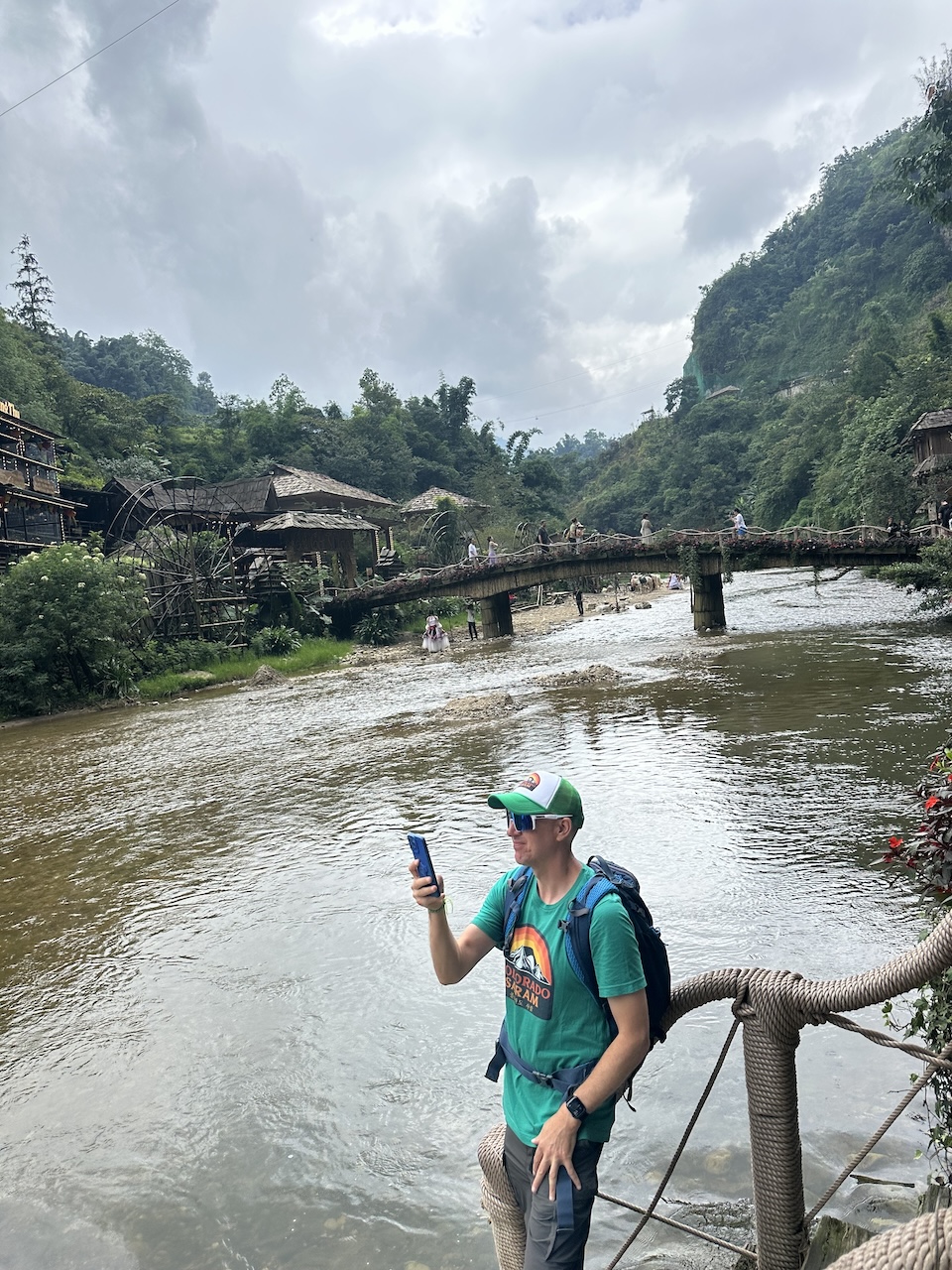
Up in Sapa, it still held a connection. I had service while trekking and even up on Fansipan. It wasn’t perfect on the long bus ride to get there. There were stretches where the connection dropped to something slower, but it always came back.
Japan
I used Airalo again on a ski trip to Hokkaido the following winter.
Same setup as before. I landed in Sapporo, turned it on, and my phone was up and running before I even stepped off the plane.
Most of that trip was spent skiing in Niseko and Rusutsu, and I had a solid connection the whole time. I used it for maps, lift tickets, and getting around between resorts.
We also had a rental car, and the built-in navigation system was basically useless, even when switched to English, so I relied on Google Maps the entire time.
No issues staying connected on the road or around the resorts.
India
My most recent experience using an Airalo eSIM was on a trip to India.
I used it during a few hectic days in Delhi, including a day trip to Agra to visit the Taj Mahal. That was about three hours each way, and I stayed connected the entire time.
I also had a nine-hour layover in Delhi on the way home, and it was nice not having to rely on spotty airport WiFi to get through it.
Part of that trip was in Kashmir, where foreign SIMs don’t work at all. I knew that going in, so I wasn’t expecting anything there.
Everywhere else, it worked the way it had on the previous trips.
Where do eSIMs work?
The simple answer to this question is ‘nearly everywhere‘. Unless you’re really going off-the-grid, an eSIM will generally work anywhere that has cellular service.
When purchasing an eSIM, you just need to decide which type of eSIM is best for your travel plans.
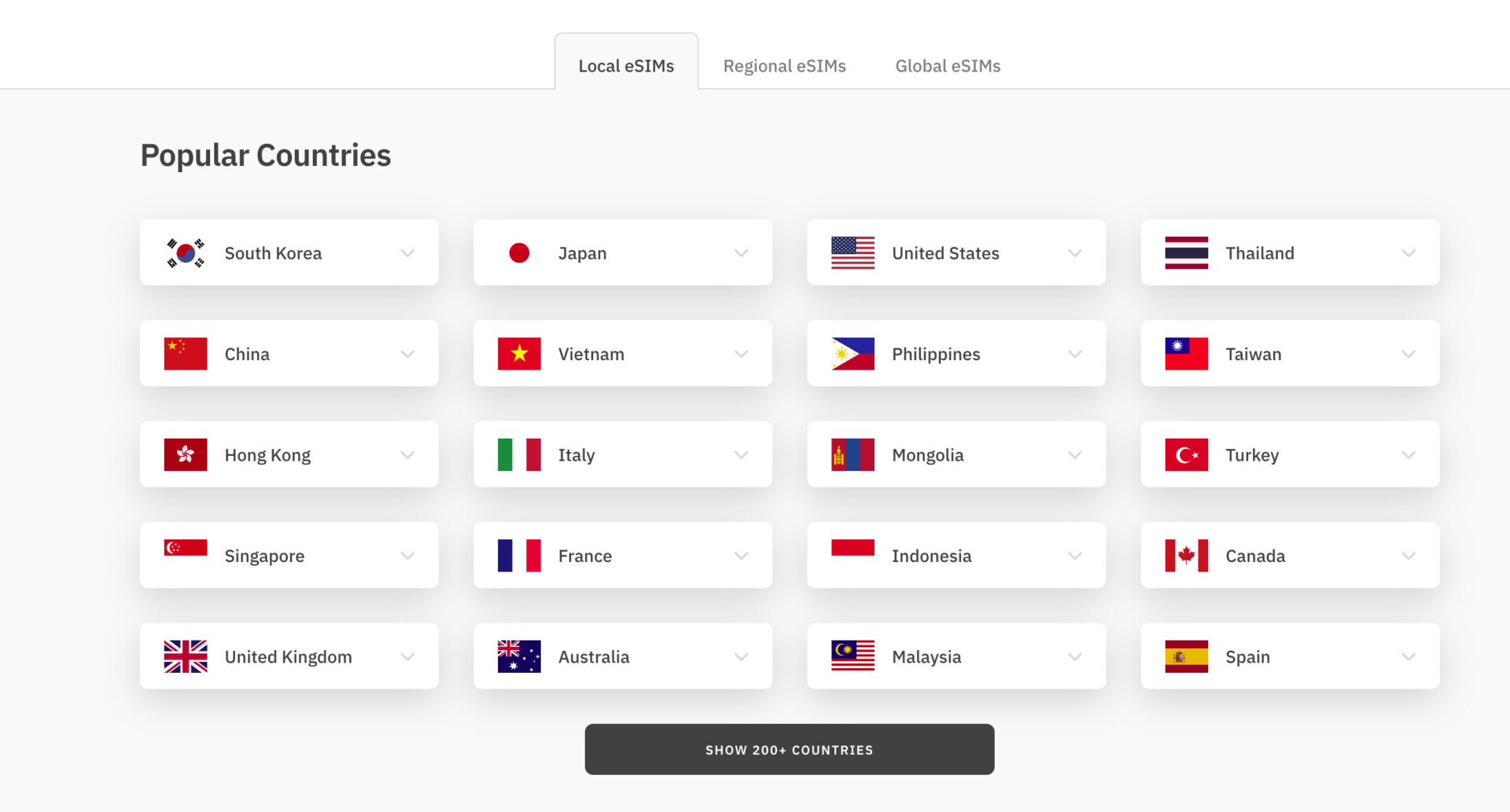
In my case, for this trip and this article, my travels only included Vietnam. As a result, I just selected Vietnam from the local eSIM screen and was presented with a number of options.
For the remainder of this article, I will focus on Airalo; however, the other major eSIM providers all have similar offerings, plans, and capabilities.
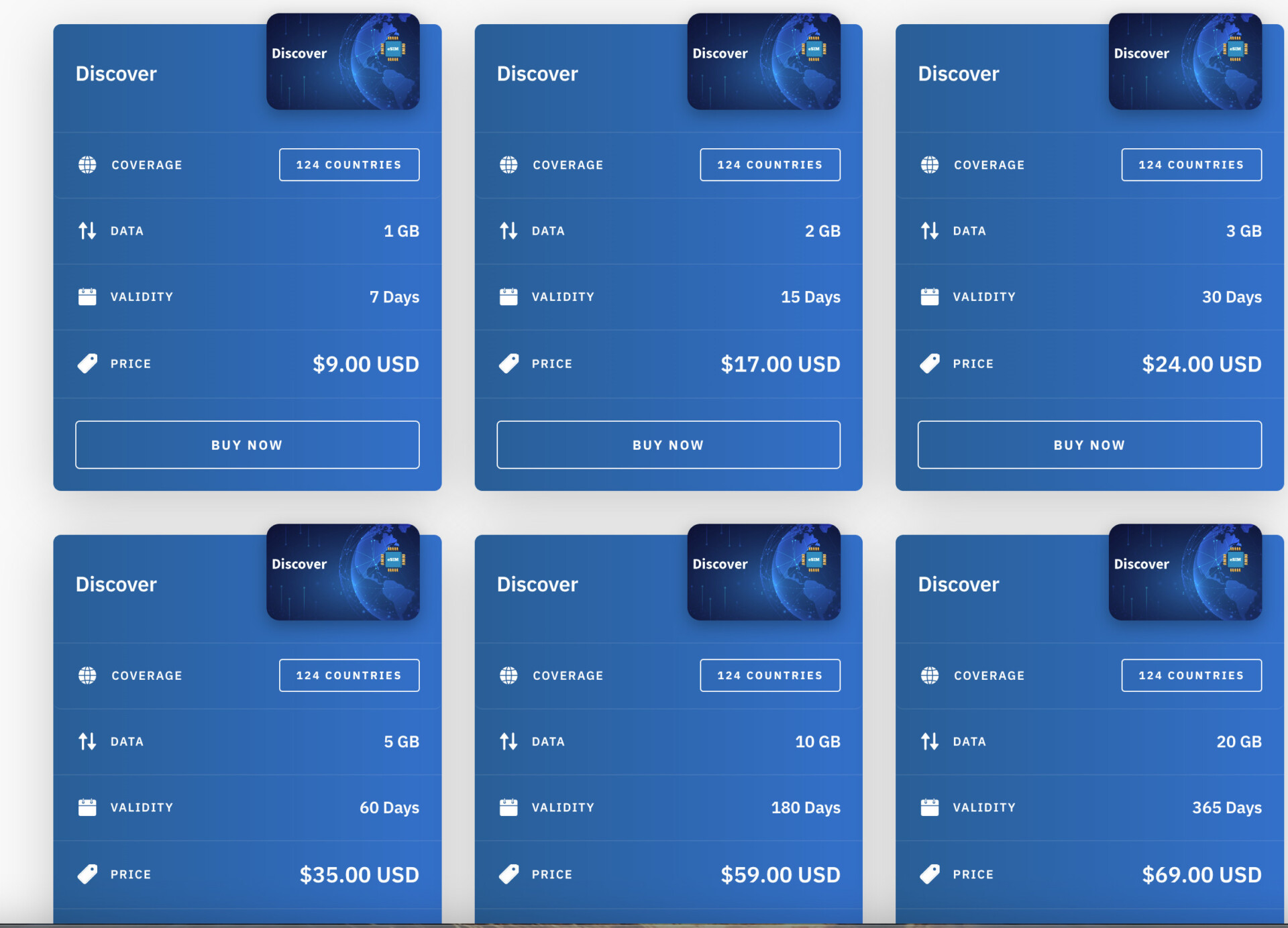
Local eSIMs
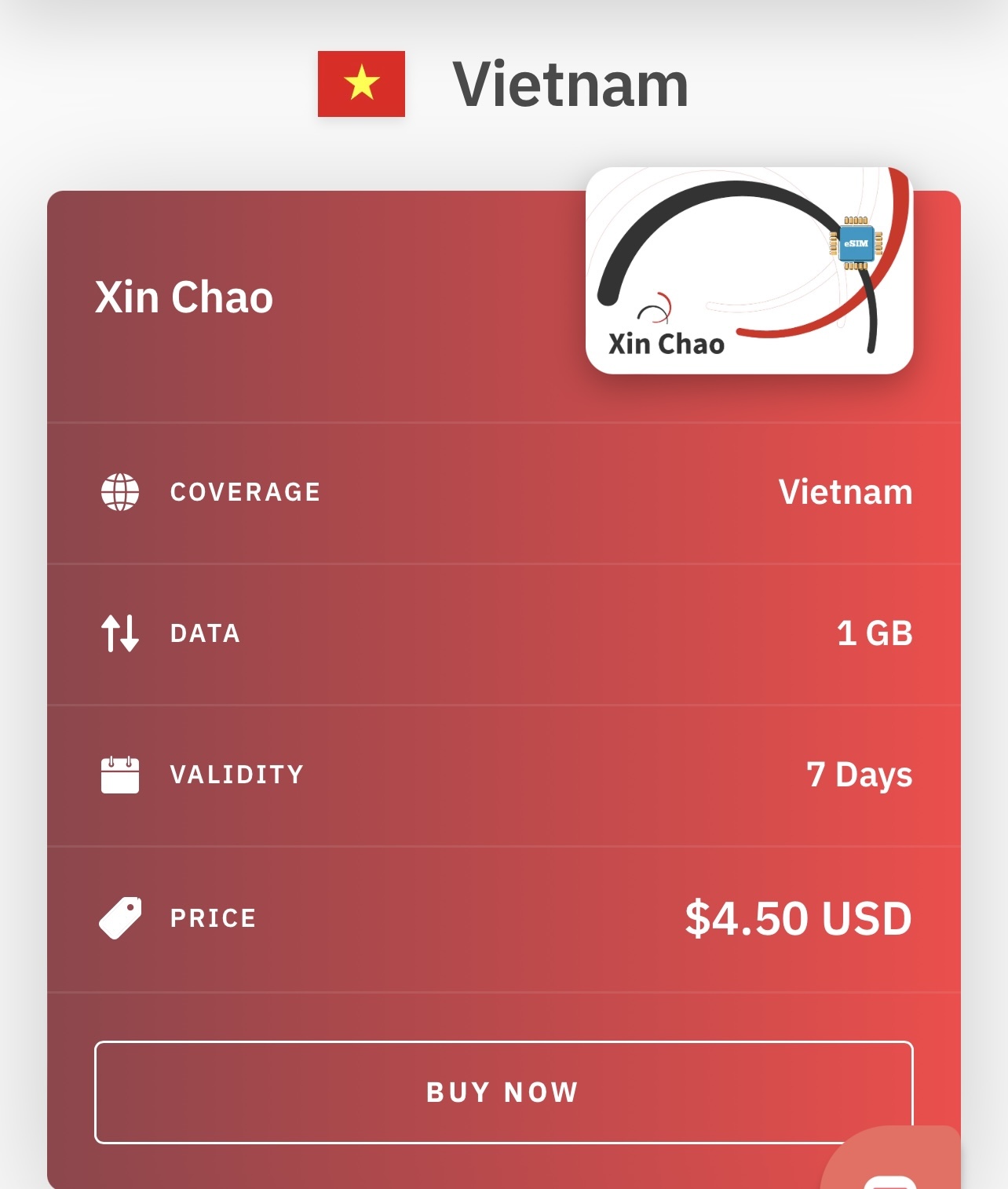
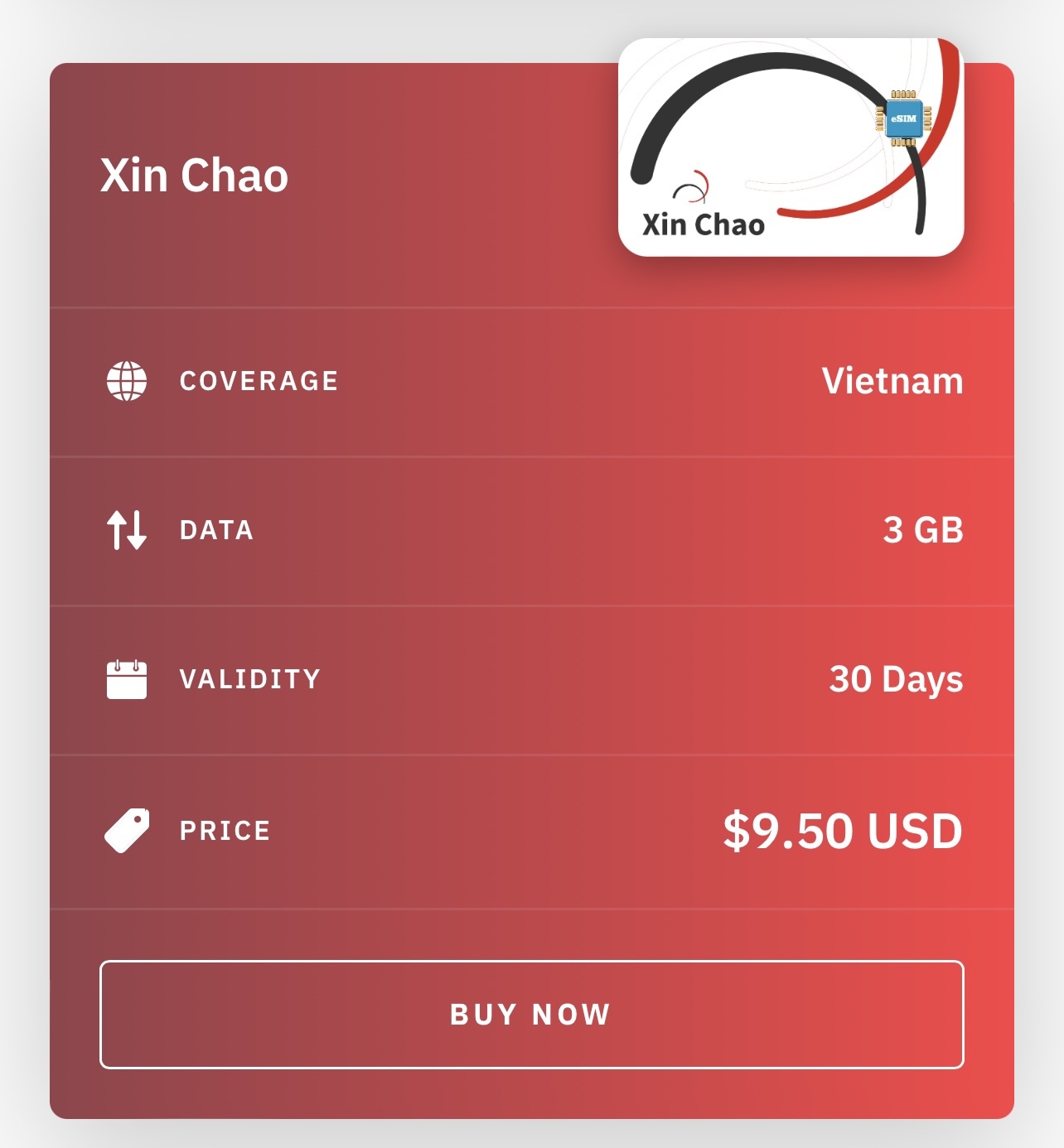
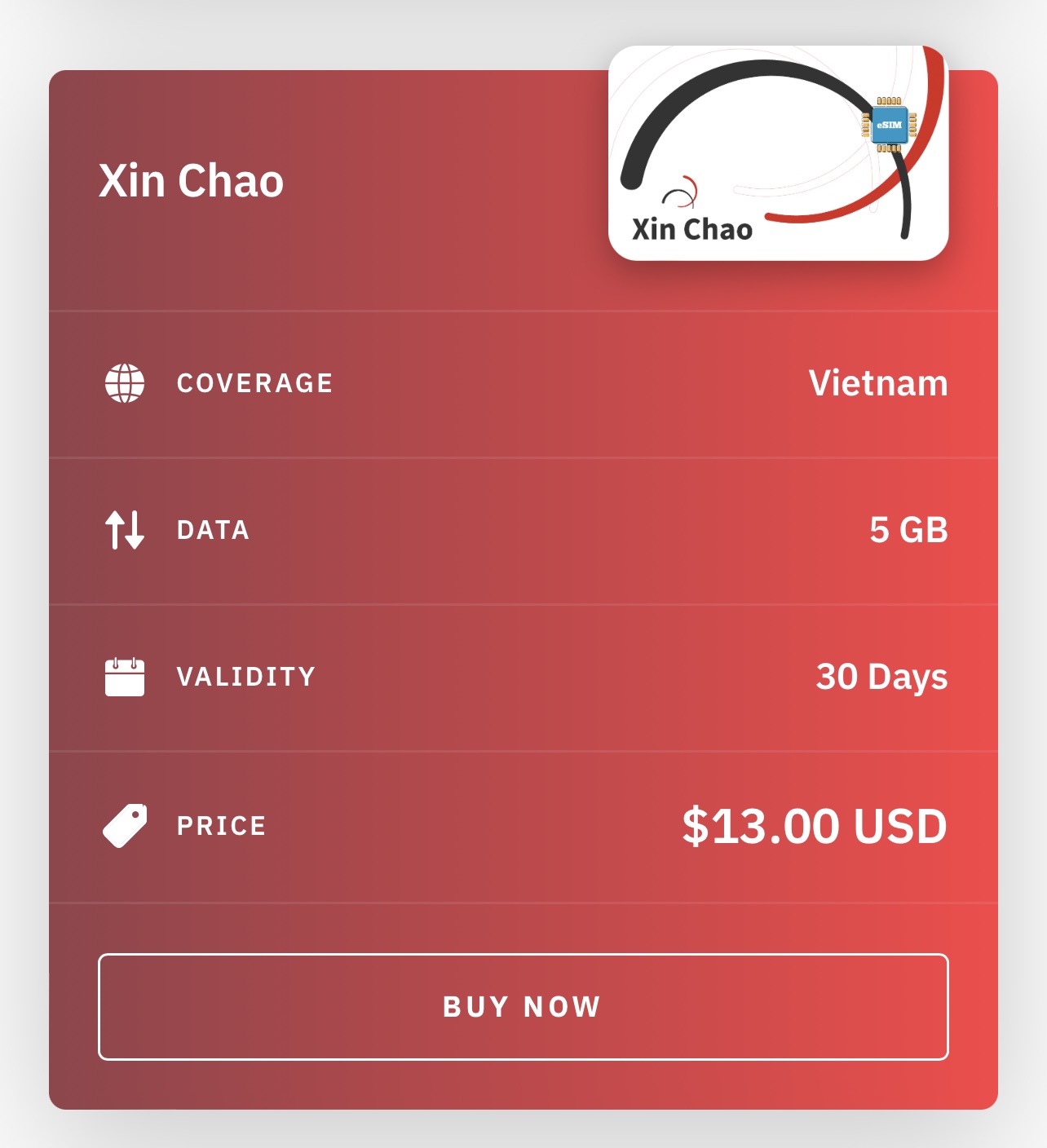
There were more options than this, which included up to 10 and 20 GB (and even unlimited), but for my needs, I settled on 5 GB with the ability to top it off if needed.
Regional eSIMs
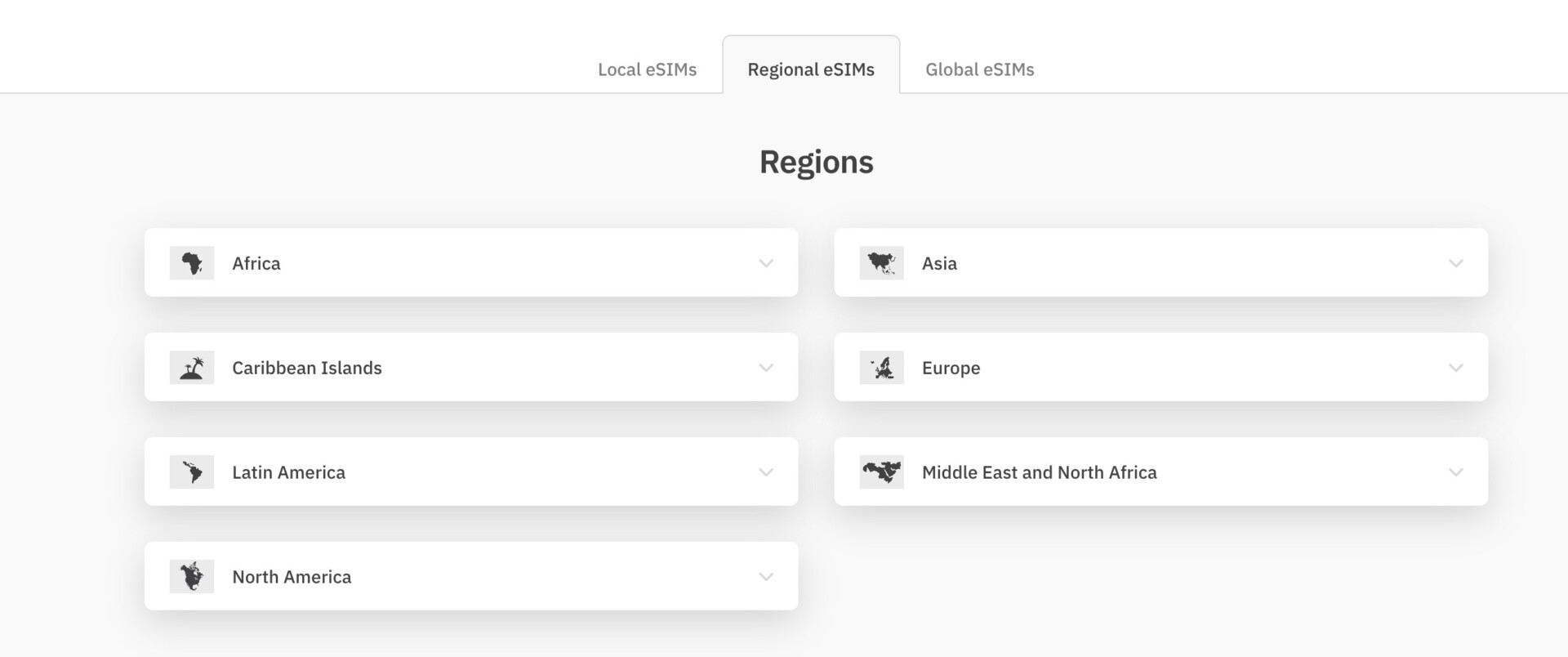
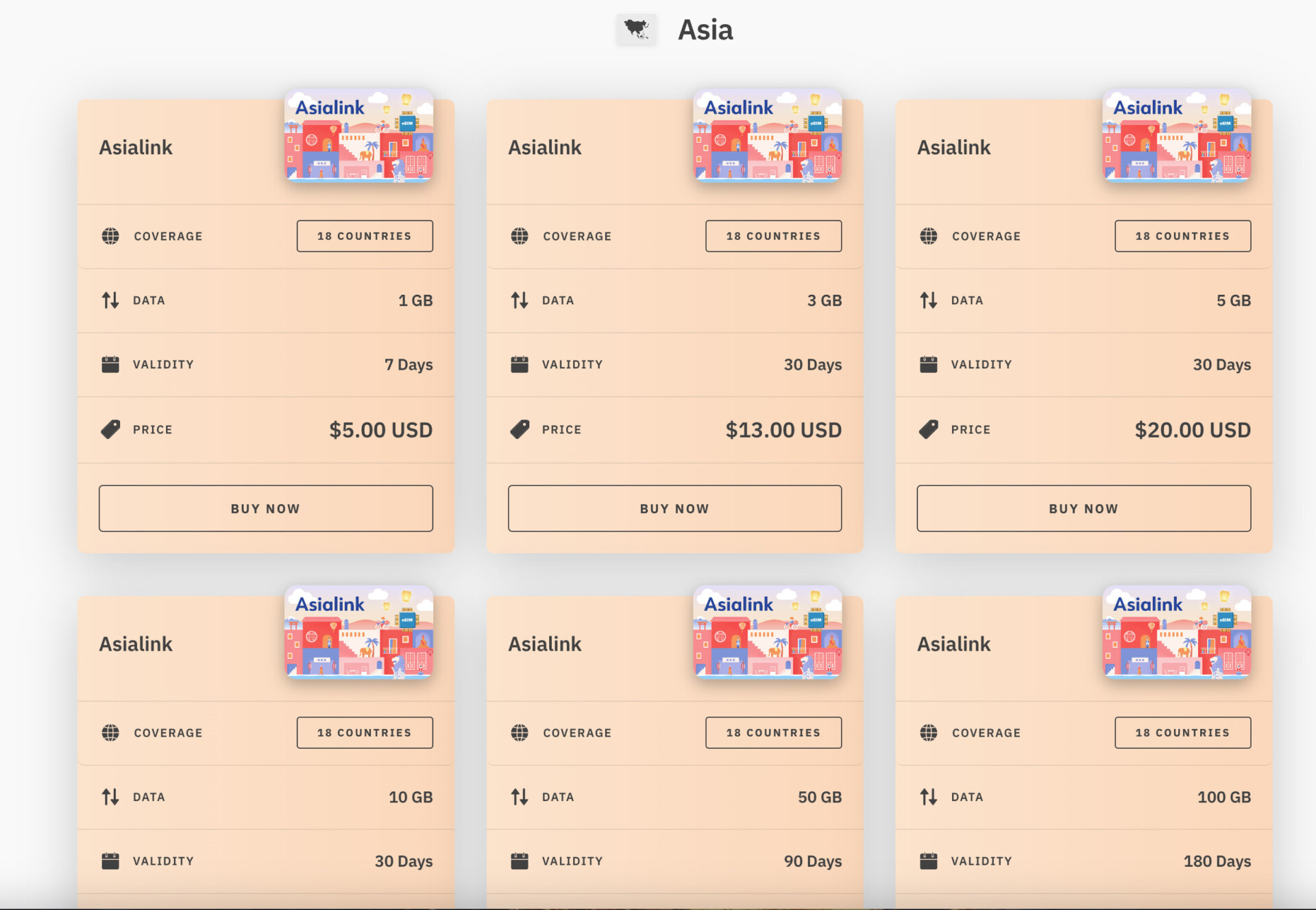
On this trip, Vietnam was my only destination. However, in the past, I’ve crossed numerous borders on one Southeast Asian adventure.
In that case, I would have needed a regional eSIM that could connect to various cellular providers across different countries in a region.
Global eSIMs
As previously mentioned, long before eSIMS existed, I traveled around the world through Oceania, Asia, and South America.
As I went from town to town and country to country with nothing but a guidebook and good vibes, I couldn’t even imagine a world where I could have booked my hostels and activities from inside my pocket and not at an Internet café.
Do you have any idea how much easier the trip would have been if I had access to a global eSIM?
Well, you don’t have to imagine it; you can now live it!
Setup: Where to Begin
After settling on Airalo as the best eSIM choice for my 2-week trip to Vietnam, I turned to the good people at Google and YouTube before starting the setup process.
First of all, the Airalo help center should be able to answer most of your questions to help you get started.
After you have selected your plan, the setup gets a bit more complicated from there, although you don’t need to be too tech-savvy. You just need to be able to follow the directions.
Although the Airalo website and app (you will eventually need to download the application) walk you through the setup pretty thoroughly, I found the following instructional video on YouTube extremely helpful for my setup process.
I’m not affiliated with this YouTuber, but he does a great job of walking you through the setup process, step-by-step.
This old fart (me) figured it out by following his instructions, so I’m betting you can too!
Activating my Airalo eSIM in Vietnam
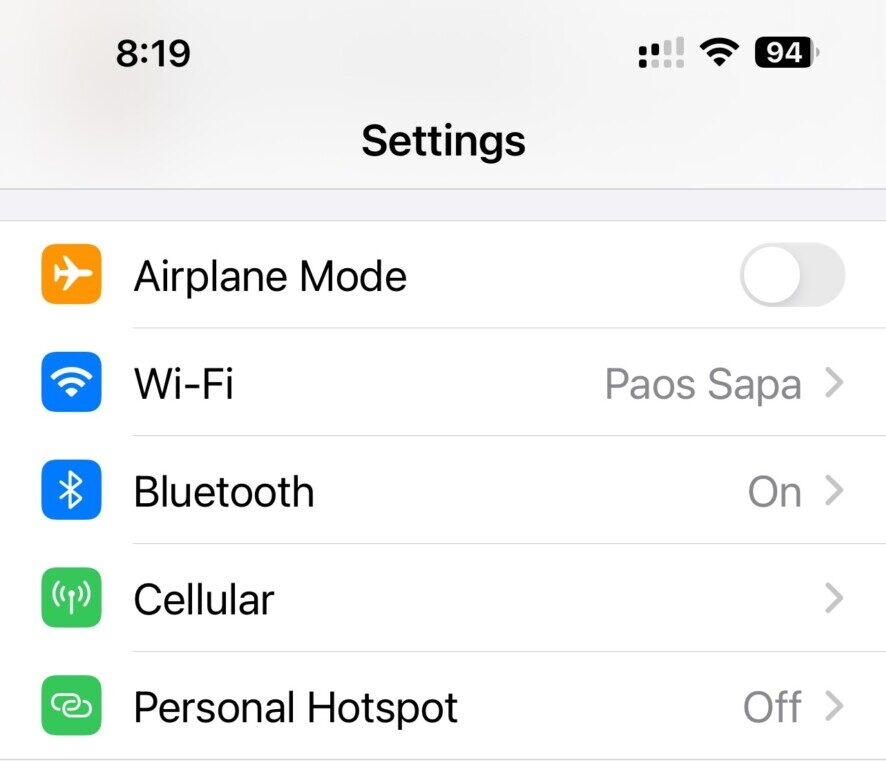
Upon landing in Vietnam, the first step to activating my Airalo eSIM was to open my iPhone’s settings and select the green Cellular option.
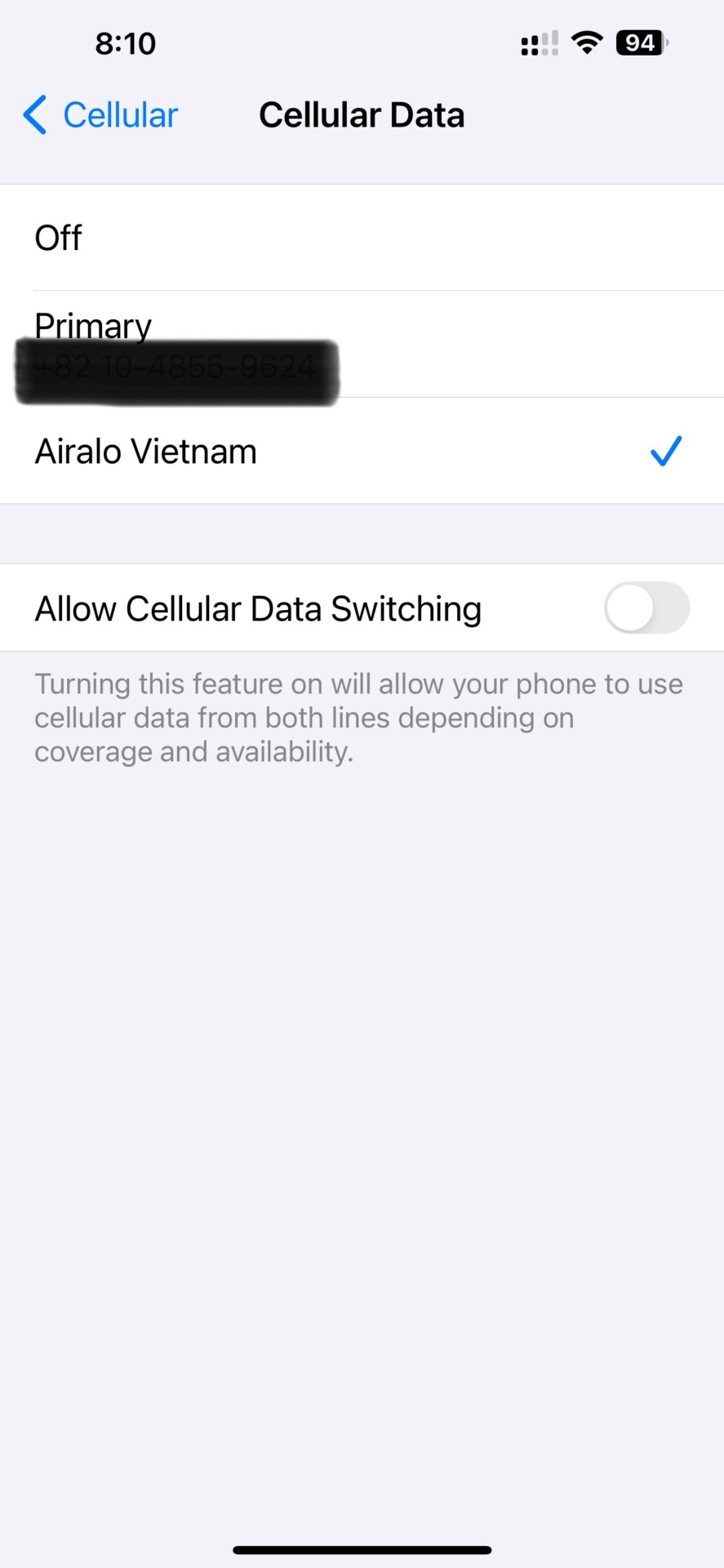
Once inside the Cellular tab, the next step was to switch my Cellular Data from Primary (my home’s plan) to the plan I had named Airalo Vietnam.
It is important to also toggle off the button for Allow Cellular Data Switching, as if it is turned on, you might still connect to roaming on your home plan.
Under SIMs, you also want to make sure that you have the line turned On for your eSIM card. It’s okay to also keep your primary line on, as this will allow text messages and phone calls to still come in.
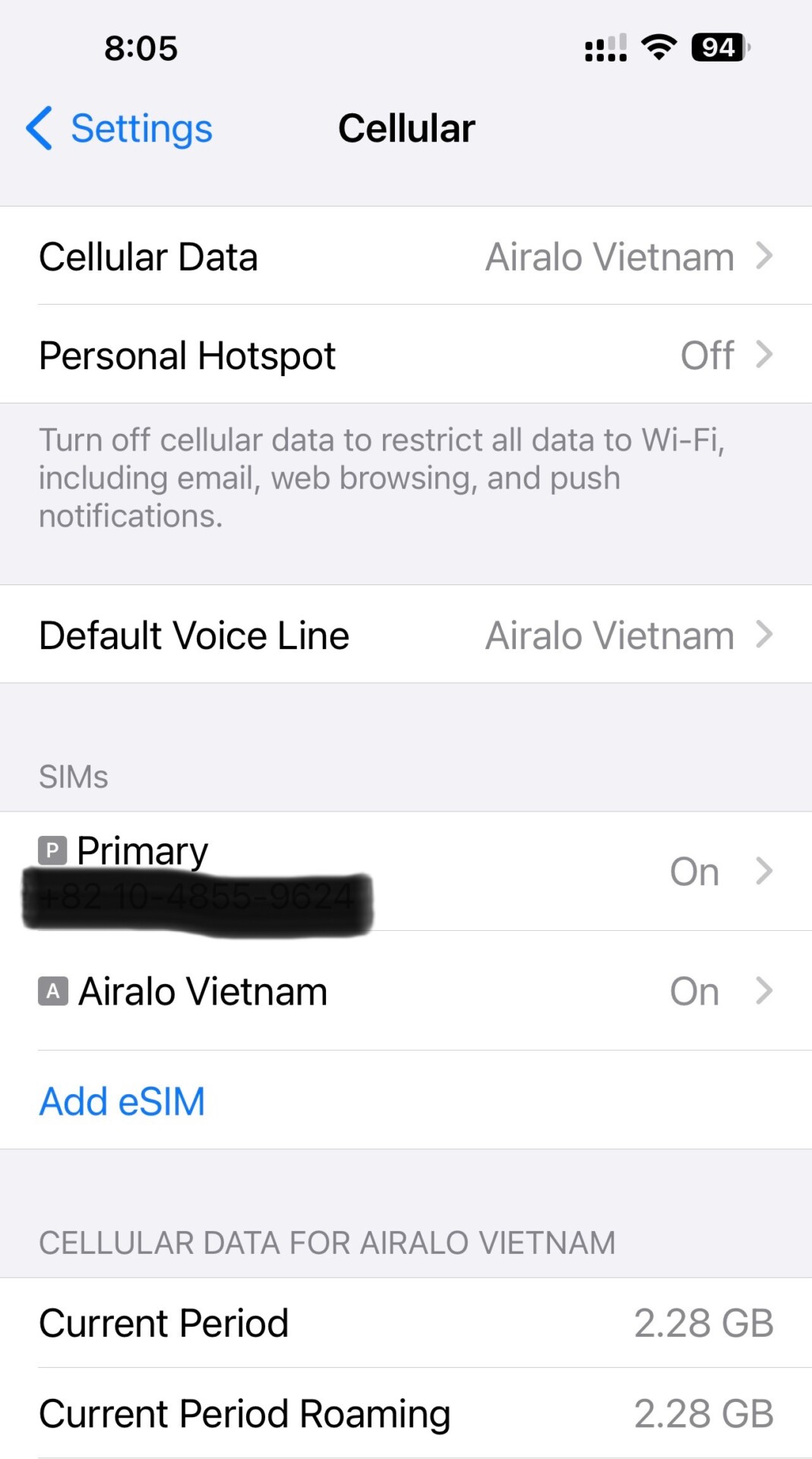
I followed all of these steps while still on the plane; my phone then searched for a moment, and suddenly some strange new symbols (indicating signal strength) appeared at the top of my screen.
Like magic, I was now fully connected to the Internet in Vietnam!
As I sit here writing this today in Sa Pa, I’m about halfway through my journey, and I haven’t had one issue yet with connectivity—at least not one that any normal plan wouldn’t encounter in any country.
Even above 10,000 feet on Fansipan Peak, I was getting cellular service!
How much data is enough?
This is kind of a difficult question to answer, and one that depends on your personal phone use habits.
Luckily, there is not really a wrong answer, as Airalo allows you to easily top up your plan if you begin to run low on remaining data.
I went with 5 GB for roughly two weeks in Vietnam, and by around day 10, I was beginning to run low.
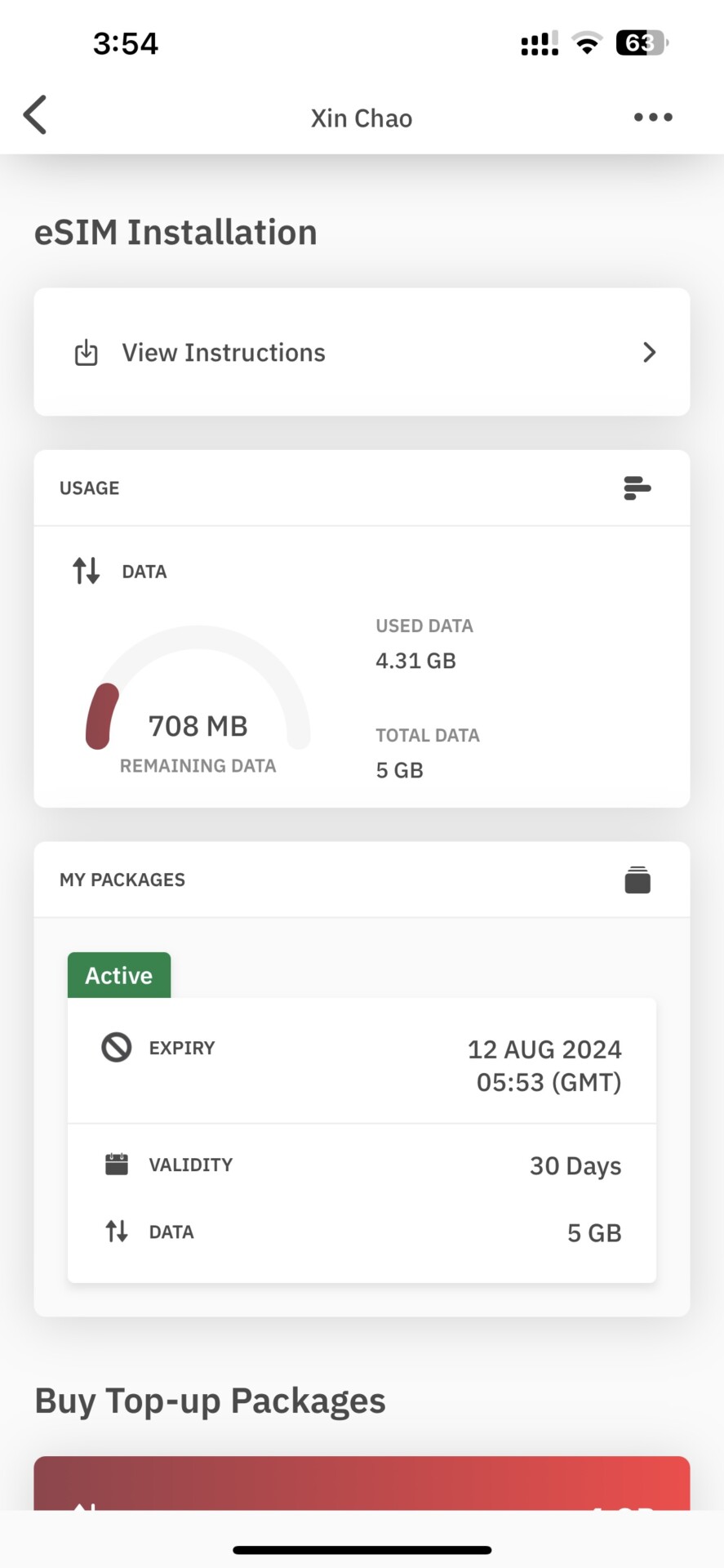
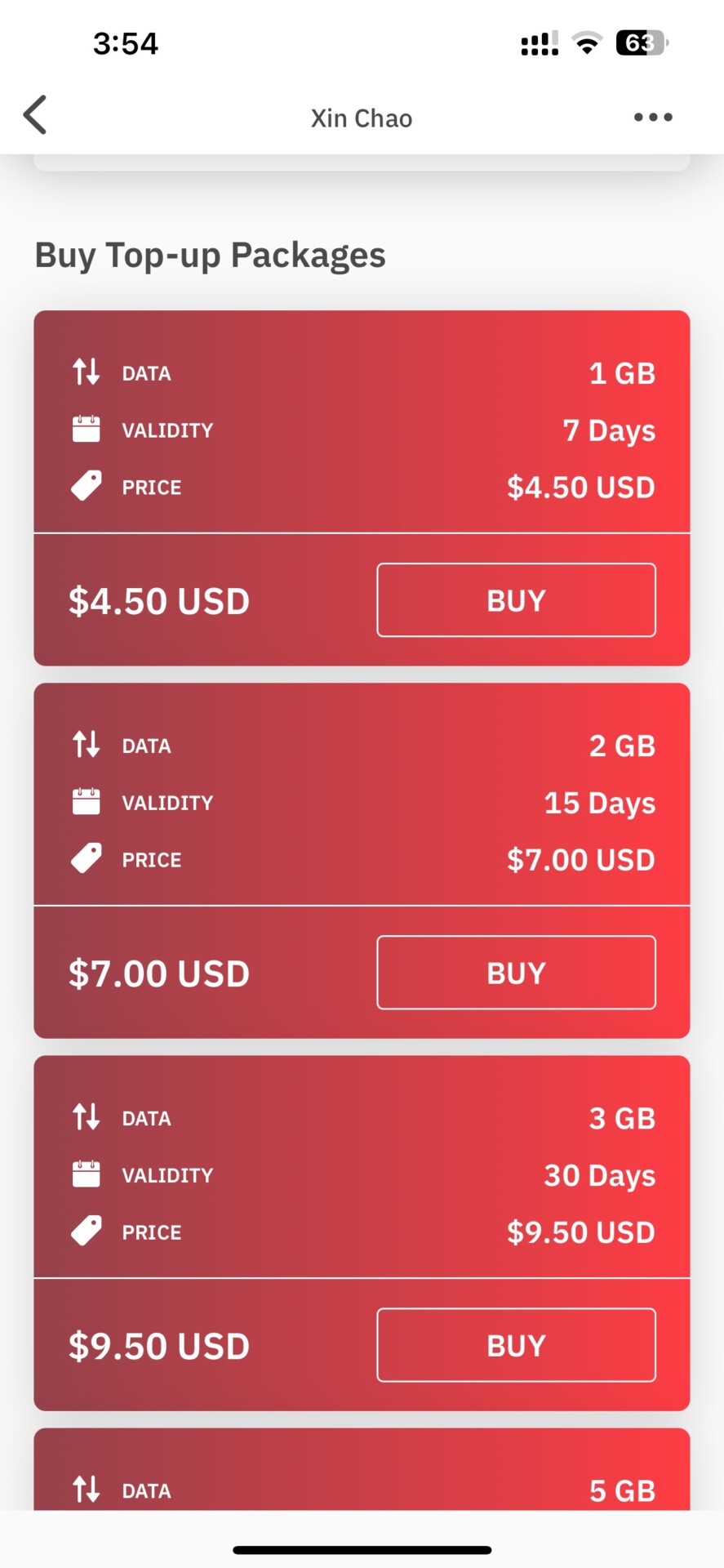
When my plan dropped below 1 GB and I still had 3–4 travel days remaining, I decided to top up my plan with the $7.00 2GB Top-Up Package.
Doing so was very simple using the Airalo app and took just a few minutes.
In choosing your own package, here are a few things to consider:
- Know Your Usage: Start by checking your current data usage. Most smartphones track overall data usage and break it down by app. Look into your phone settings under the “cellular” or “network/internet” section to find this information. On an iPhone, remember to reset the data usage counter to zero at the beginning of your billing cycle for accurate tracking.
- App Data Consumption:
- Streaming Video: Streaming video (like Netflix or YouTube) is data-intensive. Expect around 500 megabytes (MB) per hour for standard definition video.
- Streaming Music: Streaming music (e.g., Spotify) uses less data—around 50MB per hour.
- Social Media and Browsing: Regular social media use and web browsing consume relatively small amounts of data.
- Email and Messaging: These are minimal data consumers.
- Usage Scenarios:
- Occasional Use: If you mainly use your phone for occasional email and social media, 2GB to 4GB per month should suffice.
- Music and Social Media: For Spotify devotees and Instagram fans, consider 3GB to 4GB.
- Video Streaming: If you’re a hardcore streamer (Netflix, HD videos), aim for at least 6GB to 8GB.
- Adjust Settings:
- Wi-Fi: Whenever possible, connect to Wi-Fi to save cellular data.
- App Settings: Some apps allow you to adjust data usage settings. Explore these options to optimize data consumption.
- Revisit Your Plan:
- Regularly review your data plan. If you consistently use less data than your plan allows, consider downgrading to a more cost-effective option.
As mentioned, while traveling, you should still seek to access WiFi, when possible. That will help slow down the draining of your own data.
For me, I think I used the most data while on long-distance buses and when using Google Maps to get around.
5GB wasn’t quite enough for my 13 days of travel, but for a few bucks more, topping up my plan was simple and affordable.
Overall Impressions: My Airalo eSIM Journey in Vietnam
My first eSIM journey from Airalo took me from the bustling streets of Hanoi to serene Ha Long Bay, to the misty mountains of Sapa, where I explored independently and wrote a detailed guide on how to visit without a tour. My trip ended on the beaches of Phu Quoc, Vietnam.
All along the way, I remained connected to high-speed internet, allowing me to research and book tours, accommodations, activities, and everything in between.
The Airalo eSIM worked flawlessly at high altitudes and in remote villages, allowing me to use Google Maps along the way.
Just as you might find at home, there were short periods of connecting to slower networks like 3G while traveling by bus, but those moments were relatively short.
All things considered, from my experience, I would have no problem recommending Airalo or eSIMs in general to anybody who asked for my advice.
Unless technology changes on us again in the near future, I know that I will certainly be a return customer on my next adventure!
Questions?
If you have questions, please join my free Facebook group and community. It’s a group for like-minded adventurers to discuss hiking, skiing and adventure travel in Asia and Oceania. I’m happy to address any questions you may have in there!