
Quick heads up: This post may contain affiliate links to gear, hotels, flights, or experiences I’ve used or genuinely recommend. If you book through one, I may earn a commission at no extra cost to you. Full disclosure here.
High 1 vs Yongpyong Resort comes down to more than just terrain. This post compares access, lodging, pricing approach, and the overall feel of each resort to help you choose the right fit.
If you’re trying to decide between High 1 Resort and Yongpyong Resort in South Korea, you’ve narrowed it down to two of what I consider the best ski resorts in the country. I’ve skied both repeatedly over the years, in different conditions, and I still find myself weighing the choice depending on the kind of trip I’m planning.
Which one is better? Honestly, it depends. I’m not going to crown a single winner for every skier or snowboarder, but I can explain why each resort is a favorite of mine and what tends to push the decision one way or the other.
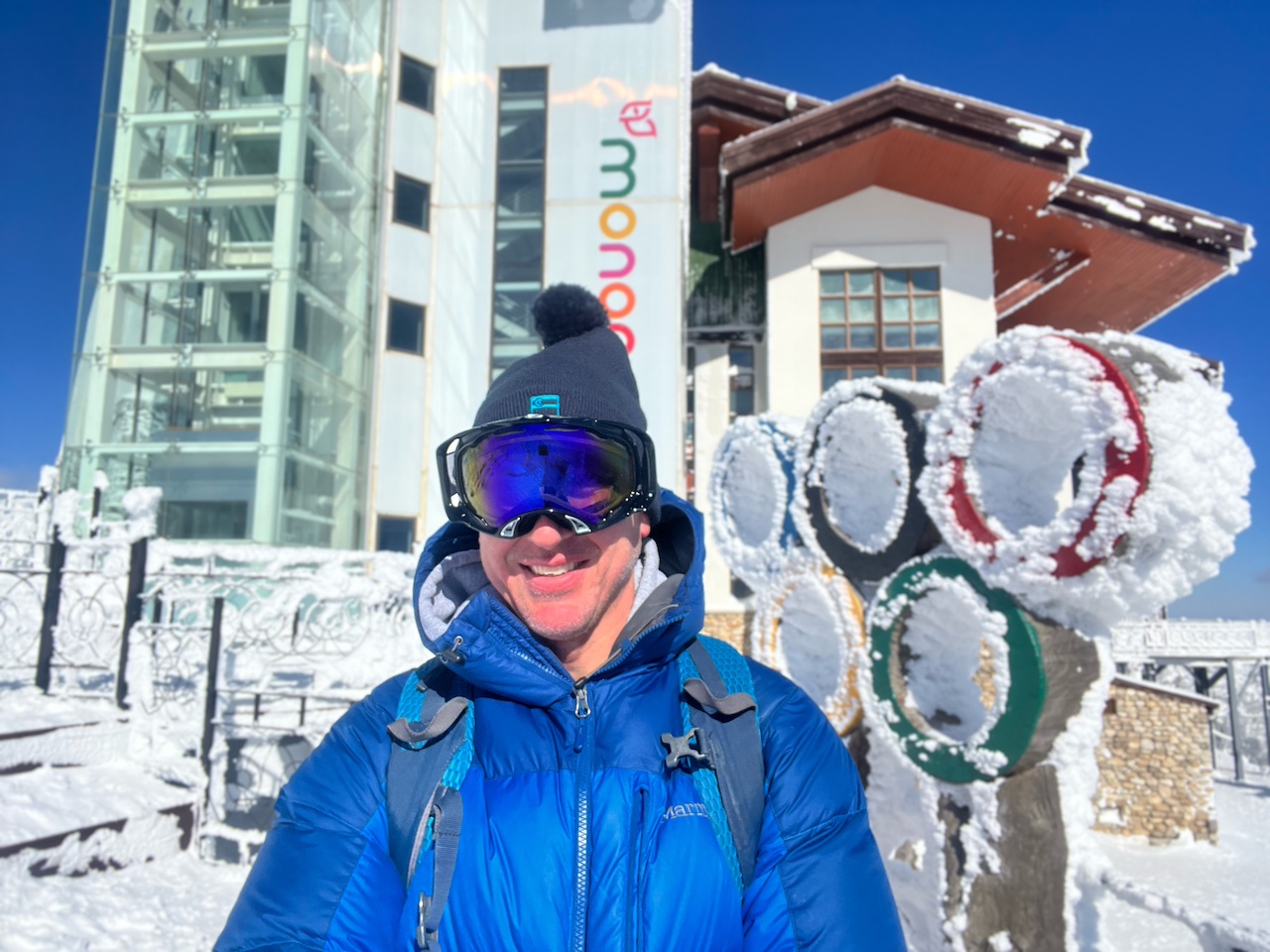
Mona Yongpyong (its official name, though most people still just say Yongpyong) is easier to reach from Seoul and much of Korea. It has stronger expert terrain, a more international resort feel, and sits in the middle of Pyeongchang and the Daegwallyeong area, which makes it a better base if you want to ski and explore beyond a single mountain.
High 1 takes more effort to reach and feels more isolated, but once you’re there, the resort is set up well for self-contained ski weekends. The ski-in, ski-out condo setup is the best I’ve found in Korea, and the mountain offers enough variety that I can ski longer without feeling pinned to one specific zone, which is something I notice at Yongpyong once I’m done with Rainbow and Gold.
Below is a comparison based on how each resort skis, how the mountains are laid out, and how the logistics shape the experience. The goal is to help you decide which one fits your priorities, not to declare a universal winner.
🧭 High 1 vs Yongpyong, Quick Take for Skiers Choosing Between Them
If you’re choosing between High 1 and Yongpyong, this table sums up the main differences that tend to shape the trip.
| Category | High 1 Resort | Yongpyong Resort |
|---|---|---|
| Ease of access | More effort to reach, especially without a car, and feels remote once you arrive. | Easier access from Seoul and other parts of Korea, with simpler public transport options. |
| Terrain and how it skis | Wide, varied terrain that lets you move around the mountain without feeling pushed into one zone. | Strong expert terrain in Rainbow and Gold, with the best skiing concentrated in those areas. |
| Mountain flow | Smoother transitions and fewer moments where you feel stuck in one area. | Great flow if you stay high, but the middle of the mountain is less engaging for me. |
| Lifts and facilities | Modern lifts and functional base areas designed around condo access and full ski days. | Solid lift infrastructure with larger base facilities and a more traditional resort layout. |
| Lift tickets and value | Time-based ticket system that works well for shorter days or flexible schedules. | Block-based passes (morning, day, night) that are straightforward and easy to plan around. |
| Packages and discounts | Strong local rental shop discounts, especially if you’re driving and booking in town. | Resort and online packages are easier to book and often save money for visitors. |
| On-mountain lodging | Coordinated network of on-mountain condos. Hill Condo is our go-to, with a designated dog-friendly wing. | Wider range of on-site condos and hotels, but we stay in Pyeongchang since the slopeside options aren’t dog-friendly. |
| Things to do beyond skiing | Limited nearby options beyond the resort itself, though the casino is a popular draw for some visitors. | Better base for exploring Pyeongchang, Daegwallyeong, and nearby attractions. |
| Overall vibe | Quieter, self-contained, and built around multi-day ski weekends. | More destination-oriented, with a busier base area and easier logistics. |
🚆 Ease of Access
If getting to the mountain easily is a priority, Yongpyong Resort has a clear edge. Its location near Pyeongchang makes it one of the more accessible ski resorts in South Korea, whether you’re coming from Seoul or elsewhere in the country.
High-speed KTX trains, regional buses, and resort shuttles make Yongpyong workable for short trips, including overnights and, if you’re motivated, even long day trips.
Yongpyong also sits in the middle of one of Korea’s main winter sports areas. With a car, it’s easy to mix skiing here with nearby resorts like Alpensia and Phoenix Park, or head into the Daegwallyeong area for hiking and sightseeing. If you want flexibility beyond a single mountain, that location matters.
High 1 Resort, by comparison, takes more effort to reach. Without your own car or a rental, getting there requires more planning and tighter timing. Public transportation options exist, but they’re slower and make day trips hard to justify. For most people, High 1 works best as an overnight or multi-day stay rather than a quick hit.
If you don’t want to drive, private transfers can simplify things. Klook offers transfers to both Yongpyong and High 1, along with other Gangwon resorts, which can make sense for groups or anyone traveling with ski gear. Renting a car is still the most flexible option for High 1, especially if you plan to move between towns or resorts.
Bottom line: Yongpyong is easier to reach and easier to pair with other stops. High 1 rewards the extra effort, but it’s not a resort most people casually drop into for the day.
👉 Book a private transfer from Seoul or Incheon Airport to Yongpyong or High 1 on Klook →
👉 Read my guide to driving in South Korea as a foreigner →
🎿 Terrain and How the Mountains Ski
When it comes to terrain, Yongpyong Resort stands out for its advanced and expert runs, especially in the Gold and Rainbow Zones. That’s where I spend most of my time when I ski there.
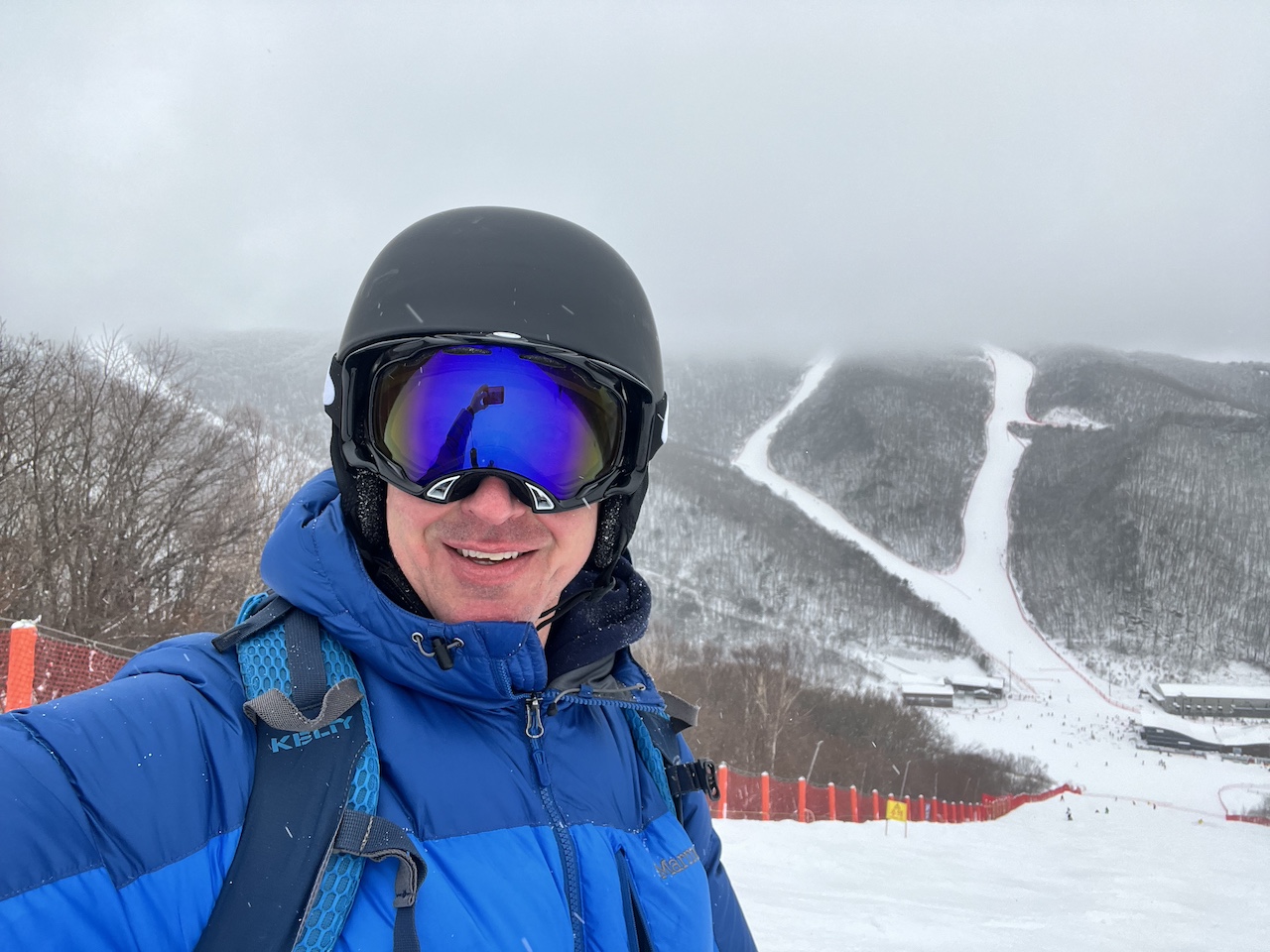
The Rainbow Zone is my favorite part of the mountain. It’s set apart from the rest of the resort, the runs are long and steep, and most of the people skiing there are comfortable on that kind of terrain. It’s one of the few places in Korea where I can ski at my own pace without constantly checking what’s happening around me.
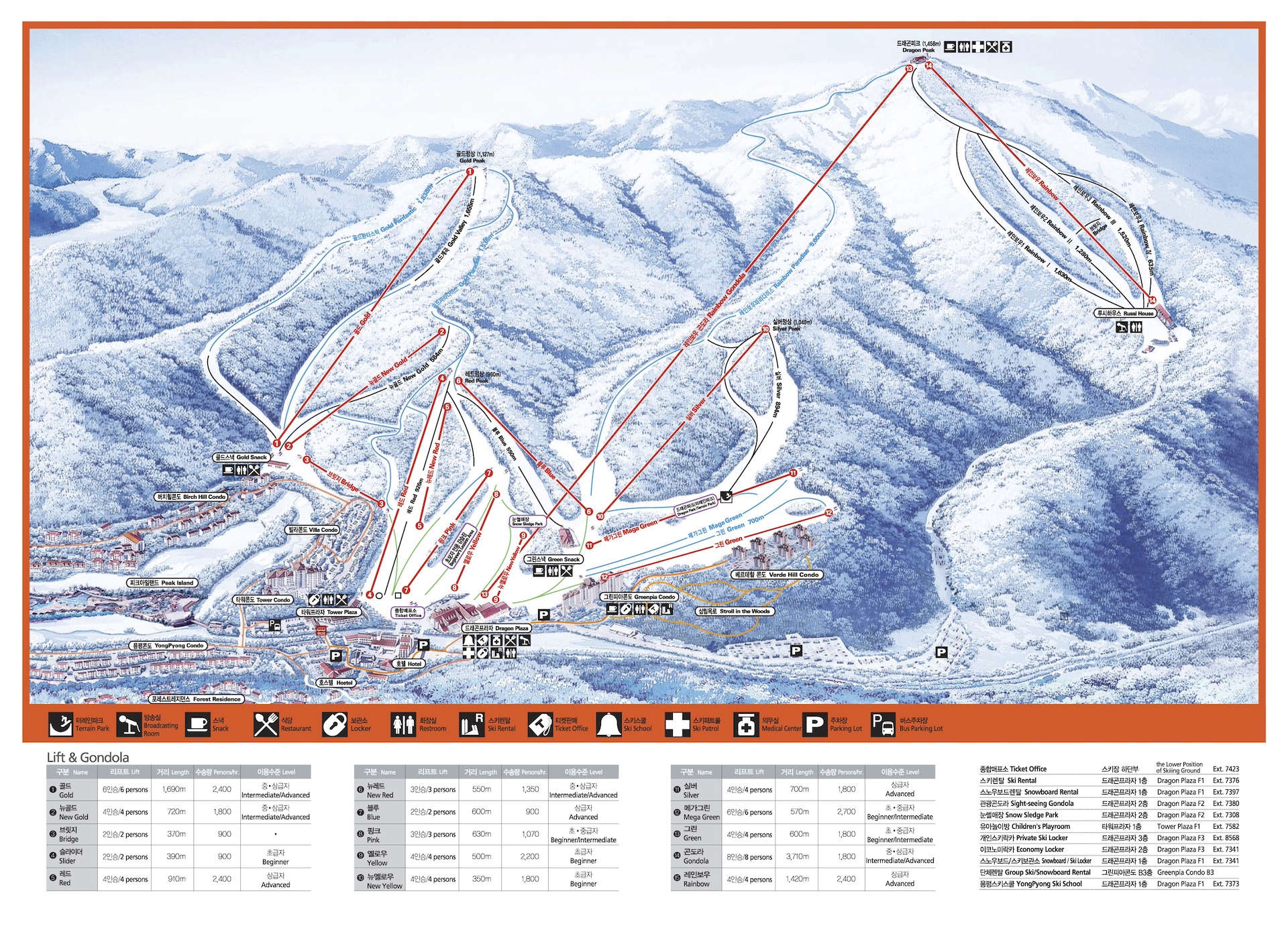
The Gold Zone also has strong advanced runs, but it’s busier and sits on the opposite side of the mountain. Moving back and forth between Gold and Rainbow takes more effort than I’d like, which is something I notice every time I ski there.
The Red and Silver Zones are fine for what they are, but they’re not the reason I go to Yongpyong. That’s where most beginners and intermediates spend their time, along with the terrain park, and the mix of ability levels makes those areas feel more crowded and less predictable compared to Rainbow.
High 1 Resort doesn’t have the same long, sustained steeps as the Rainbow Zone, but it makes up for it with variety. There are solid advanced and intermediate runs spread across the mountain, with the steepest terrain mainly off the Victoria lift. What I enjoy most is how easy it is to move around and try different areas without feeling locked into one zone.
At High 1, the skiing feels more spread out. I can mix runs, change lifts, and keep things interesting over the course of a full day. The mountain feels wider and less focused on a single style of skiing.
If I only had a morning or an afternoon and wanted to focus on steeper terrain, I’d choose Yongpyong and head straight to the Rainbow Zone. If I’m staying overnight or skiing multiple days, I tend to enjoy High 1 more, simply because there’s more room to move around and explore.

🚠 Base Areas, Lifts, and On-Mountain Facilities
From a day-to-day skiing standpoint, both Yongpyong Resort and High 1 Resort are solid. Neither feels outdated or neglected, which unfortunately isn’t a given at every ski resort in South Korea. Lift infrastructure is generally reliable, gondolas are well maintained, and getting up and down the mountain is rarely an issue at either resort.
Yongpyong feels closer to a traditional Western-style destination resort at the base. There’s a central hub with condos, hotels, rental shops, and a handful of stores and restaurants clustered together.
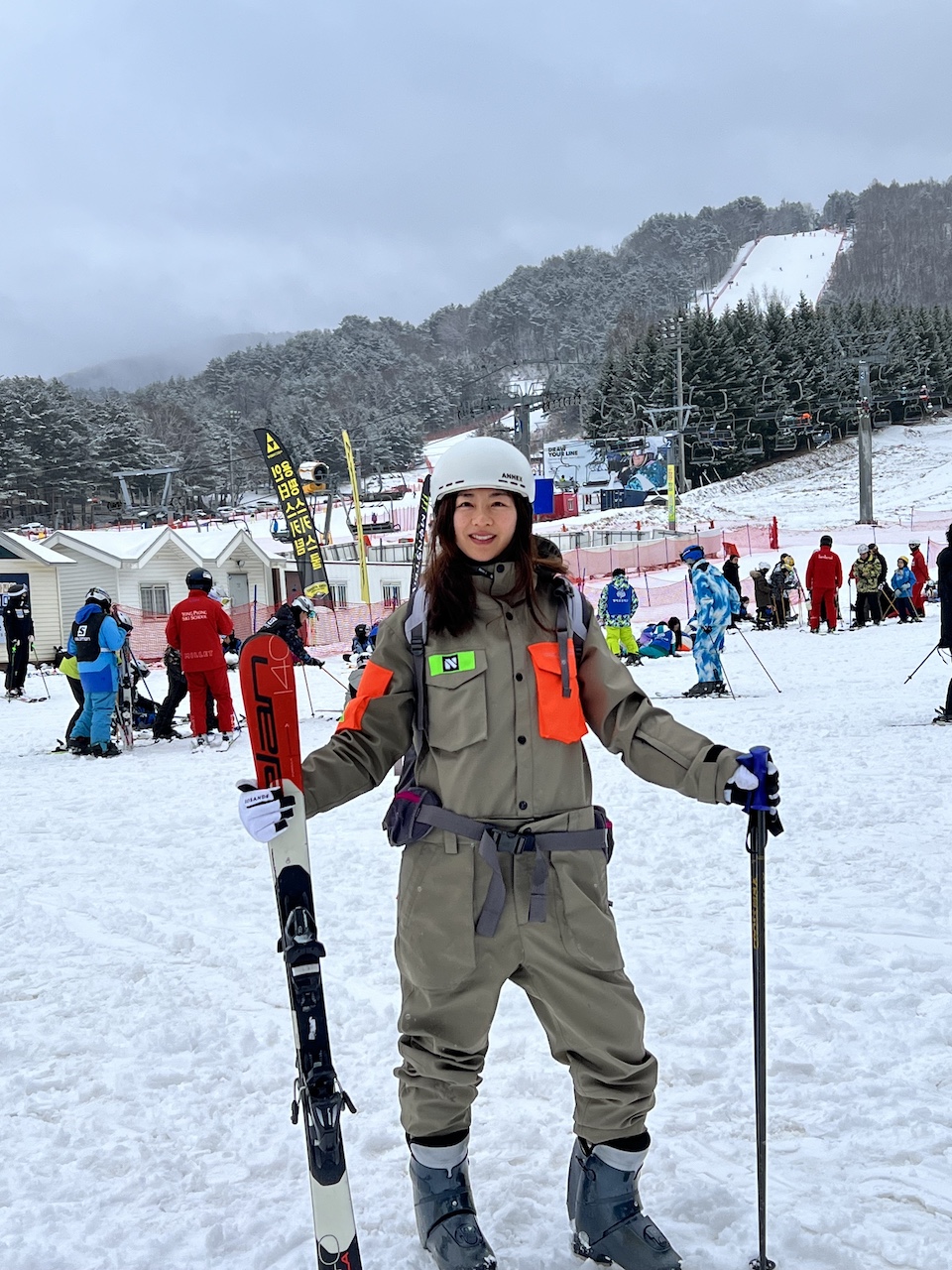
The Dragon Plaza base area is usually busy, with skiers and boarders sorting out lift tickets, rental gear, and grabbing food in the large cafeteria that spills out onto outdoor picnic tables. It’s the closest thing I’ve found in South Korea to a true ski resort base area, something that’s missing at many other resorts that prioritize quick access and generic facilities over atmosphere.
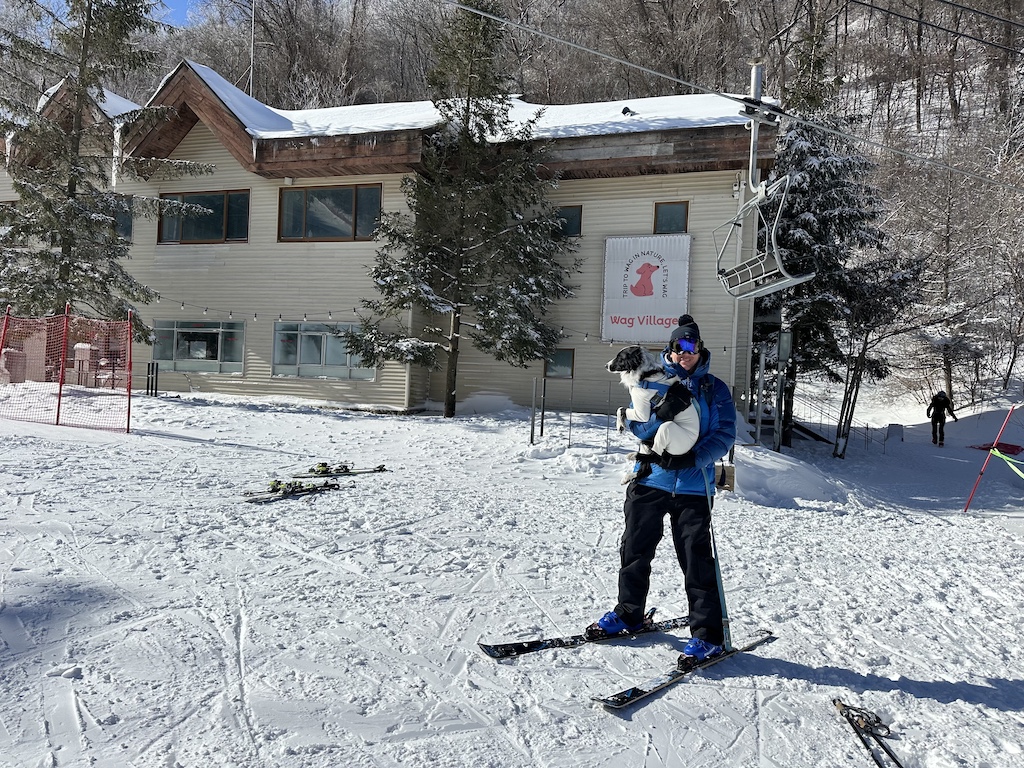
If you’re not into the hustle and bustle, I usually start and finish my day over at the Rainbow Zone. It has its own lesser-known parking area and even a dog-friendly base restaurant, Wag Village. That side of the mountain is quieter and mostly used by racers and strong skiers, which keeps the overall feel calmer and more focused.
Yongpyong also benefits from being close to Pyeongchang, about a 15-minute drive away. That opens up more options for restaurants, rental shops, and bars, though it’s worth noting that après ski in Korea is generally low-key compared to what people might expect elsewhere.
High 1, while well maintained and functional, has more of a sprawling resort-condo feel than a lively base scene. That adds convenience, but it also reflects a more typical Korean ski experience, where things tend to be practical and utilitarian rather than built around a village-style atmosphere.
Instead of one main base area, High 1 is made up of a network of ski-in, ski-out condo buildings spread around the mountain. Getting on snow is easy, but food options can be less obvious. On-mountain dining exists, but choices are limited if you’re looking for proper sit-down restaurants. Most days, we keep it simple with convenience store food or fried chicken back at the condo. There are better local restaurants in the nearby towns, but you’ll need a car or taxi to reach them.
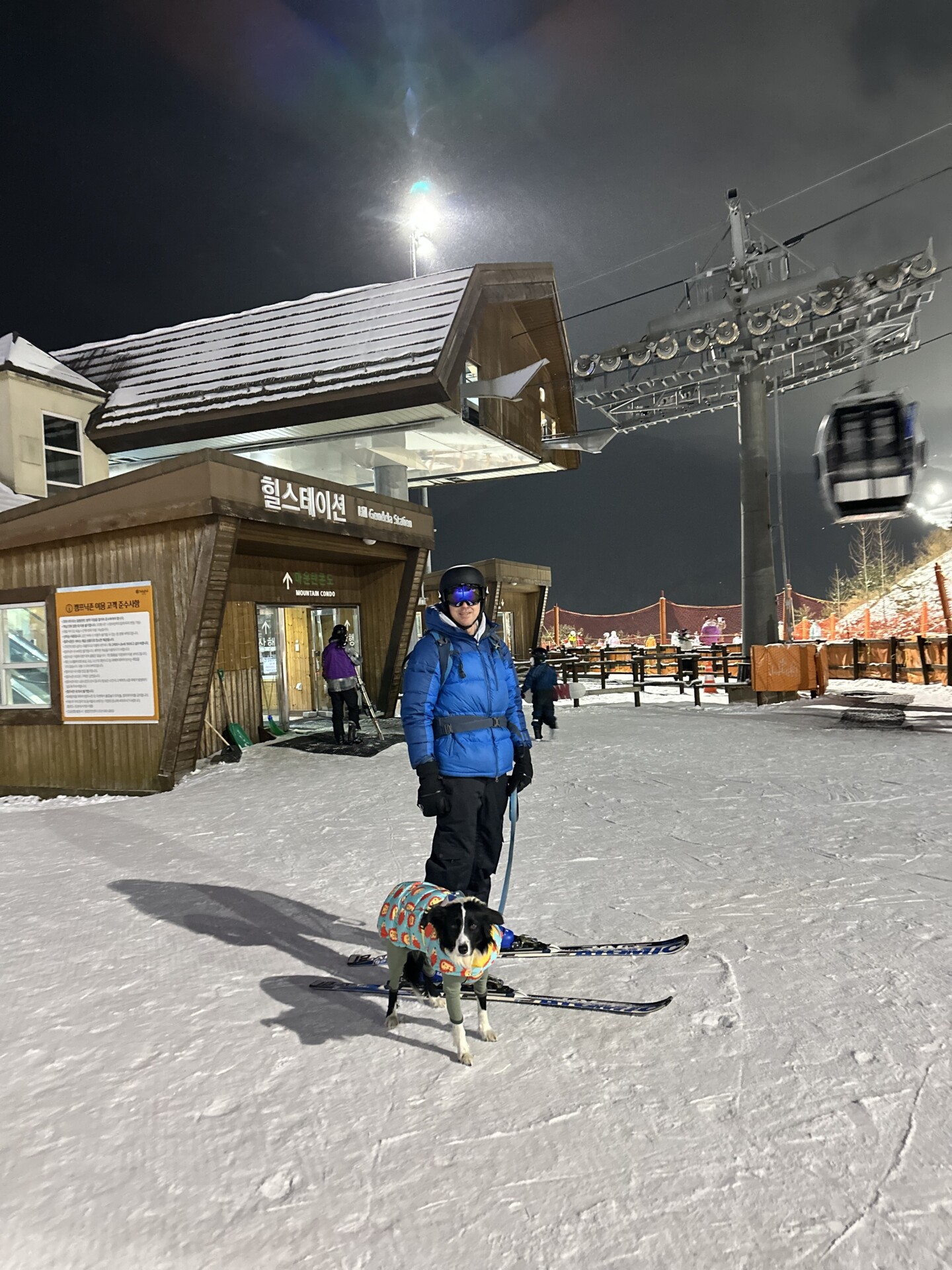
Lift quality at both resorts is generally good if you stick to the main chairs and gondolas. Beginner areas rely on slower lifts, which can feel tedious, but that’s standard across Korea. Once you’re out of those zones, moving around the mountain is straightforward and rarely frustrating.
High 1 also has a casino as part of the overall resort complex, which is a major draw for some visitors. It’s not something I’ve spent time at, but it does add another off-slope option if that’s your thing.
Overall, I’d put both resorts in the top tier of skiing in South Korea, just with different personalities. Yongpyong tends to feel more familiar to Western visitors looking for a holiday-style resort atmosphere. High 1 feels more self-contained and practical, especially if you’re staying on the mountain and spending most of your time skiing.
💸 Lift Tickets, Packages, and Overall Value
When it comes to lift tickets, Yongpyong Resort and High 1 Resort take different approaches, and which one feels like better value depends more on how you ski than on the headline price.
Yongpyong uses a traditional block-based ticket system with separate morning, afternoon, day, and night passes. It’s straightforward and easy to plan around, especially if you have a fixed schedule or are skiing part of a day. Night skiing is clearly defined, and combination passes that cover afternoon and night sessions are common. For visitors coming from Seoul or traveling without a car, this setup tends to feel simple and predictable.
🎫 Yongpyong Resort 2026 Lift Ticket Prices & Hours
| Pass Type | Hours | Adult (KRW) | Child (KRW) |
|---|---|---|---|
| Morning Pass | 09:00–13:00 | ₩68,000 | ₩56,000 |
| Afternoon Pass | 13:00–17:00 | ₩68,000 | ₩56,000 |
| Night Pass | 19:00–23:00 | ₩68,000 | ₩56,000 |
| Day Pass | 09:00–17:00 | ₩96,000 | ₩78,000 |
| Afternoon & Night Pass | 13:00–23:00 (Breaktime 17:00–19:00) | ₩96,000 | ₩78,000 |
| Single Ride | Single ride (lift/gondola) | ₩17,000 | ₩14,000 |
Notes (from Yongpyong):
- Children’s rates apply to elementary school students and under.
- All tickets are valid only on the day of purchase.
- Unused tickets may be refunded or exchanged within 30 minutes after issuance.
- Used tickets cannot be discounted, changed to another type, refunded, or canceled.
- A reissue fee of ₩1,000 applies for ticket reprinting.
- Discounts do not apply to single-ride tickets.
- All prices include VAT.
High 1 uses a time-based ticket system instead. You buy a set number of hours, and the clock starts when you scan in. This works well if you don’t ski full days or prefer flexibility, especially if you’re staying on the mountain and moving in and out throughout the day. If your ticket overlaps the afternoon maintenance window, it can often stretch into the evening, which can feel like solid value if you time it well.
On paper, neither resort is clearly cheaper across the board. Yongpyong’s pricing works well for structured schedules and shorter trips. High 1 tends to reward flexible skiing and overnight stays, where you’re not locked into a single start or end time.
🎫 High 1 Resort 2026 Lift Ticket Prices & Hours
| Ticket Type | Time (Hours) | Adult (KRW) | Child (KRW) |
|---|---|---|---|
| Lift Ticket (Time Ticket) | 3 hours | ₩62,000 | ₩50,000 |
| Lift Ticket (Time Ticket) | 4 hours | ₩68,000 | ₩56,000 |
| Lift Ticket (Time Ticket) | 5 hours | ₩74,000 | ₩62,000 |
| Lift Ticket (Time Ticket) | 7 hours | ₩82,000 | ₩70,000 |
| Lift Ticket (Time Ticket) | All-day pass | ₩104,000 | ₩92,000 |
Notes:
- Time tickets start counting from your first pass through the gate.
- Time tickets are not available during the maintenance window (4:00 PM to 6:00 PM).
- If the maintenance window overlaps with your ticket time, your usable time can be extended by 2 hours. However, time may still be deducted even if you do not scan again after 6:00 PM.
- Example: If you scan in at 3:00 PM on a 3-hour ticket, the 4:00 PM to 6:00 PM maintenance window can be added, and you can typically ski until 8:00 PM (total 5 hours).
In the end, value comes down to how long you’re skiing, where you’re staying, and how much structure you want, not just the lift ticket price itself.
Both Yongpyong and High 1 offer well-priced package deals that bundle lift tickets with rentals, lessons, and in some cases accommodation. These packages are easy to book online and often cost less than putting everything together separately.
👉 View High 1 ski packages on Klook →
👉 View Yongpyong ski packages on Klook →
🏨 Hotels and Lodging Options
Lodging is one of the areas where Yongpyong Resort and High 1 Resort feel most different, and it often ends up shaping the entire trip.
Yongpyong has a wider range of on-site hotels and condos clustered around the main base area, with more variety in both price and style than High 1.
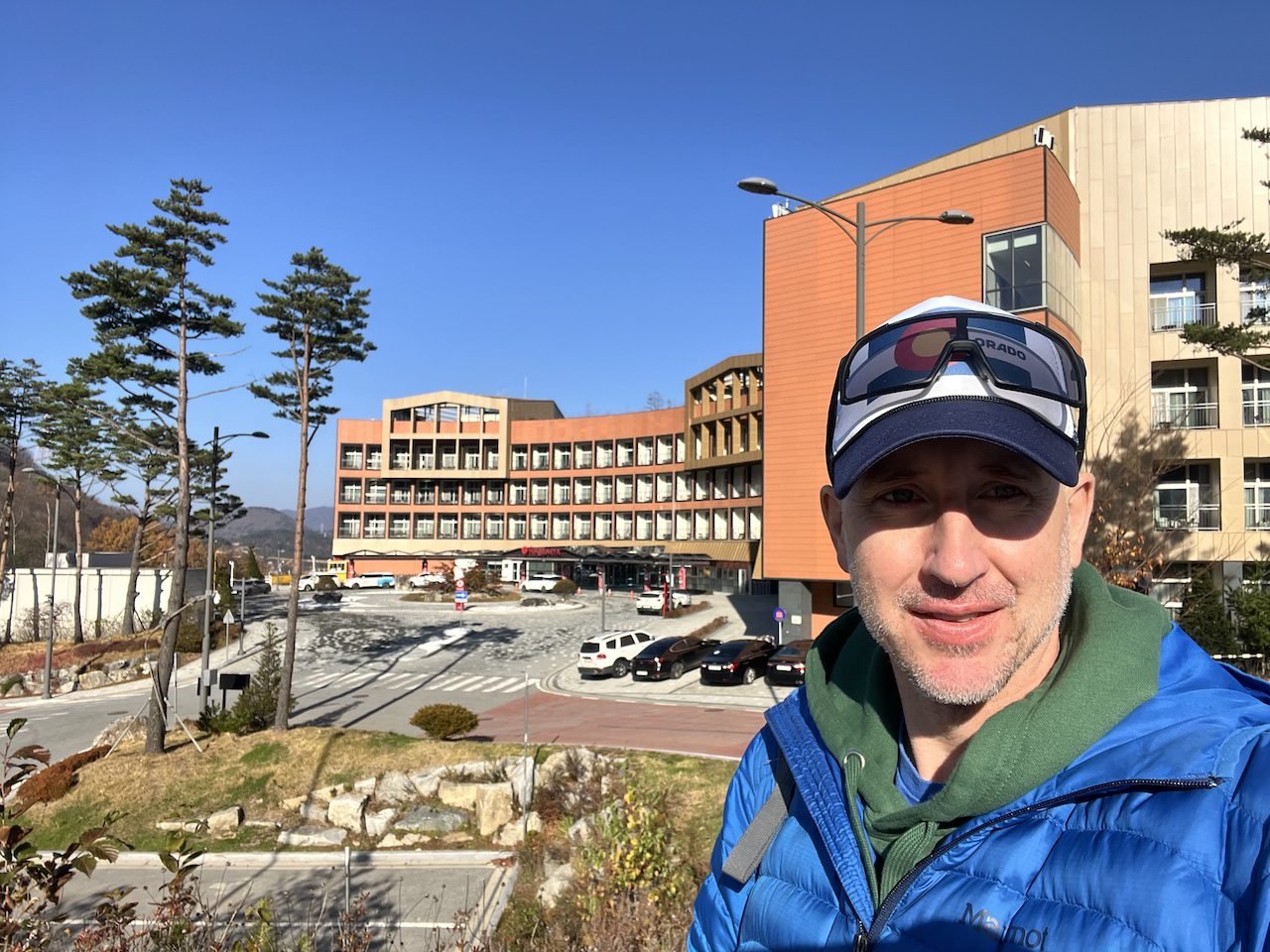
That said, we usually stay just down the road at the Ramada Hotel & Suites by Wyndham Pyeongchang. It’s an easy drive to the resort, comfortable, and reliable, especially if you want a quieter place to sleep after skiing. While we stay there because it’s dog-friendly, it’s also a solid option for anyone who doesn’t need to be slopeside and prefers a bit more space and flexibility.
Staying off-site also puts you closer to Pyeongchang itself, which makes it easier to go out for dinner or take care of errands without feeling tied to the resort bubble. For us, that tradeoff makes sense when skiing Yongpyong.
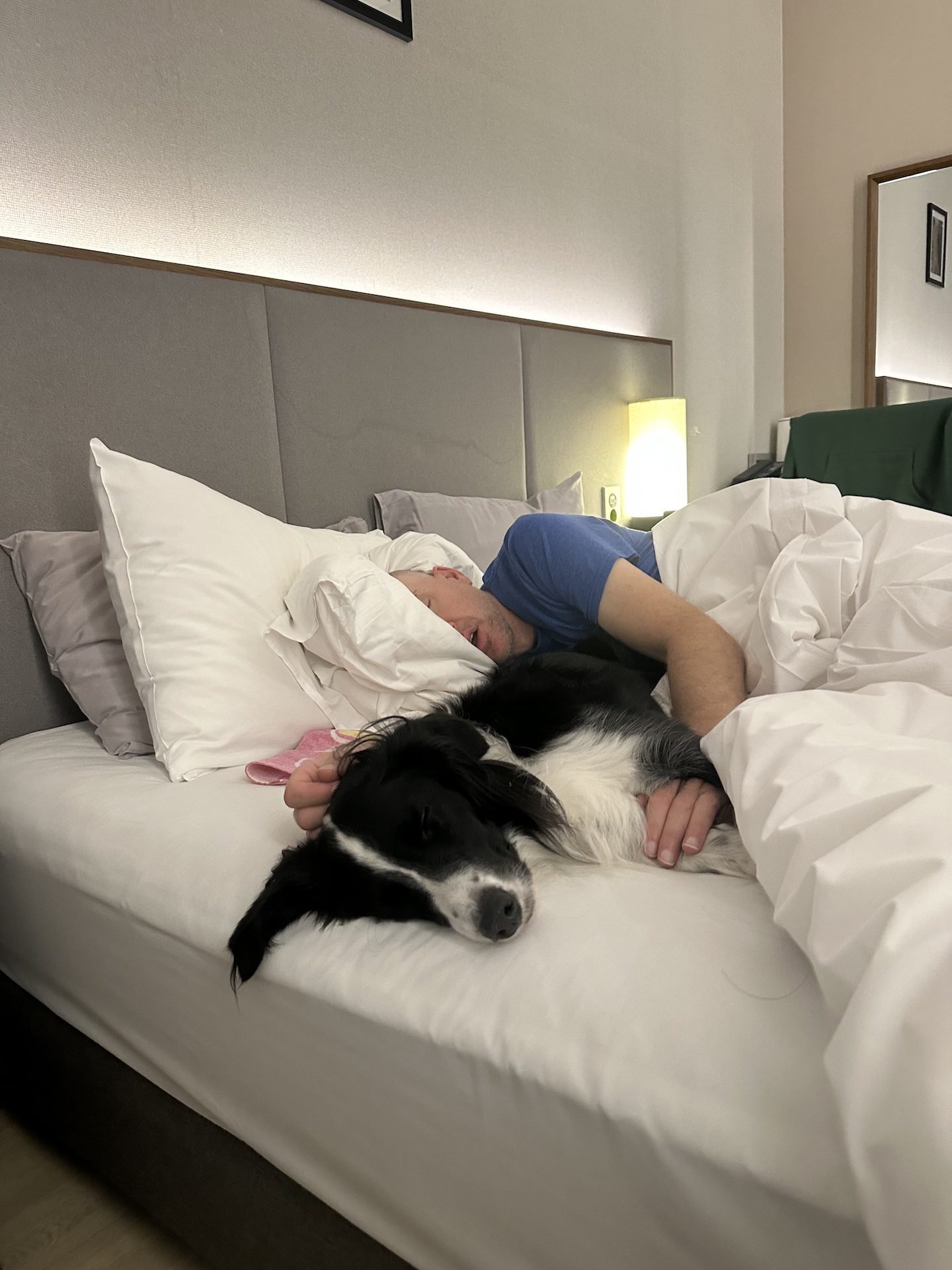
High 1 is a different story. Lodging is built around a coordinated network of ski-in, ski-out condos spread around the mountain, and that convenience is hard to beat. We always stay at High 1 Hill Condo, mainly because it has a designated dog-friendly wing, but even without a dog, it’s one of the most practical places to stay. You’re steps from the lifts, parking is straightforward, and it’s easy to take breaks during the day without fully disconnecting from skiing.
High 1’s lodging feels more standardized and functional than Yongpyong’s broader mix, but for overnight trips focused on skiing, it works extremely well. Once you’re there, everything you need is on the mountain, even if the surrounding area is limited.
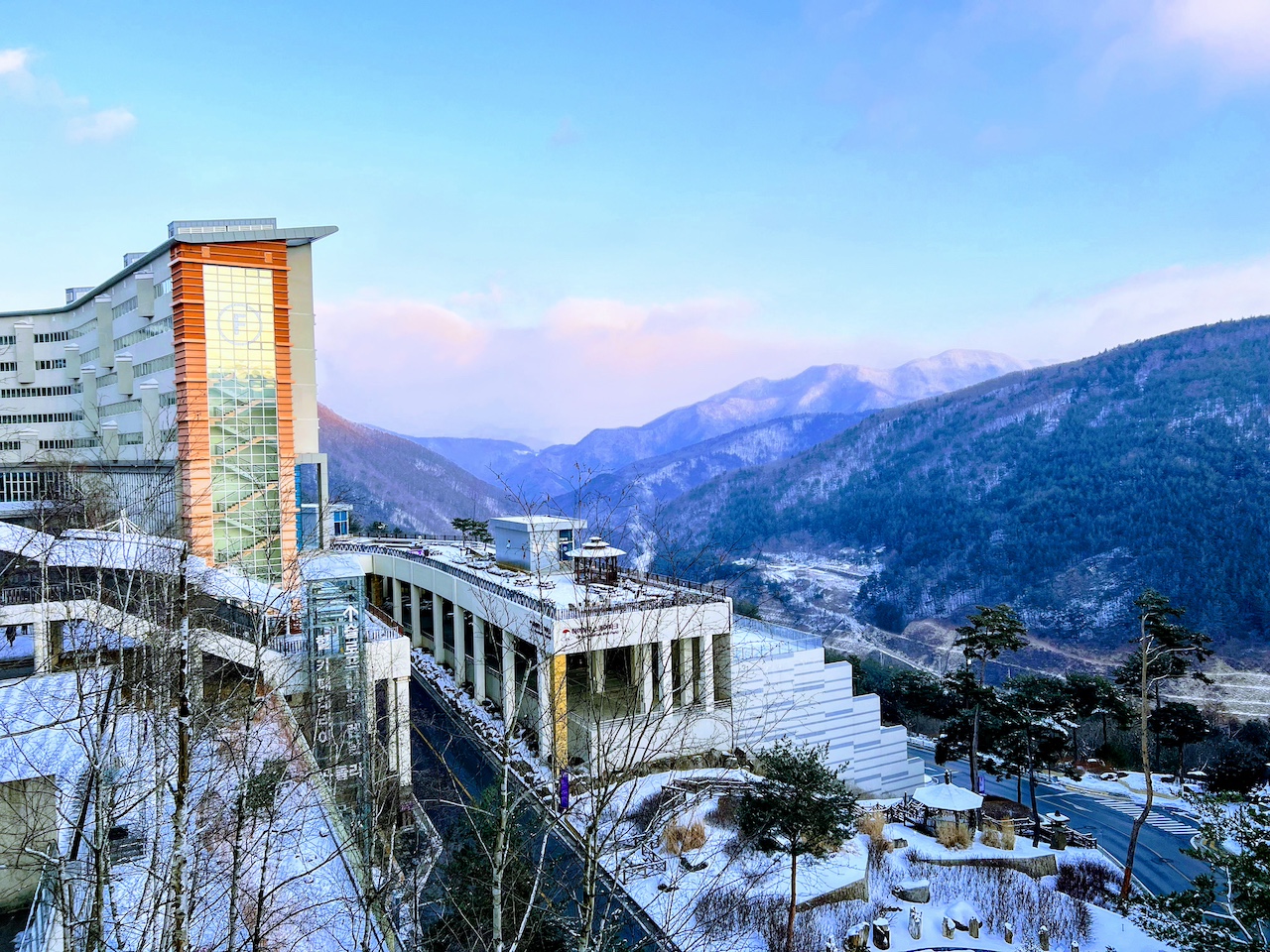
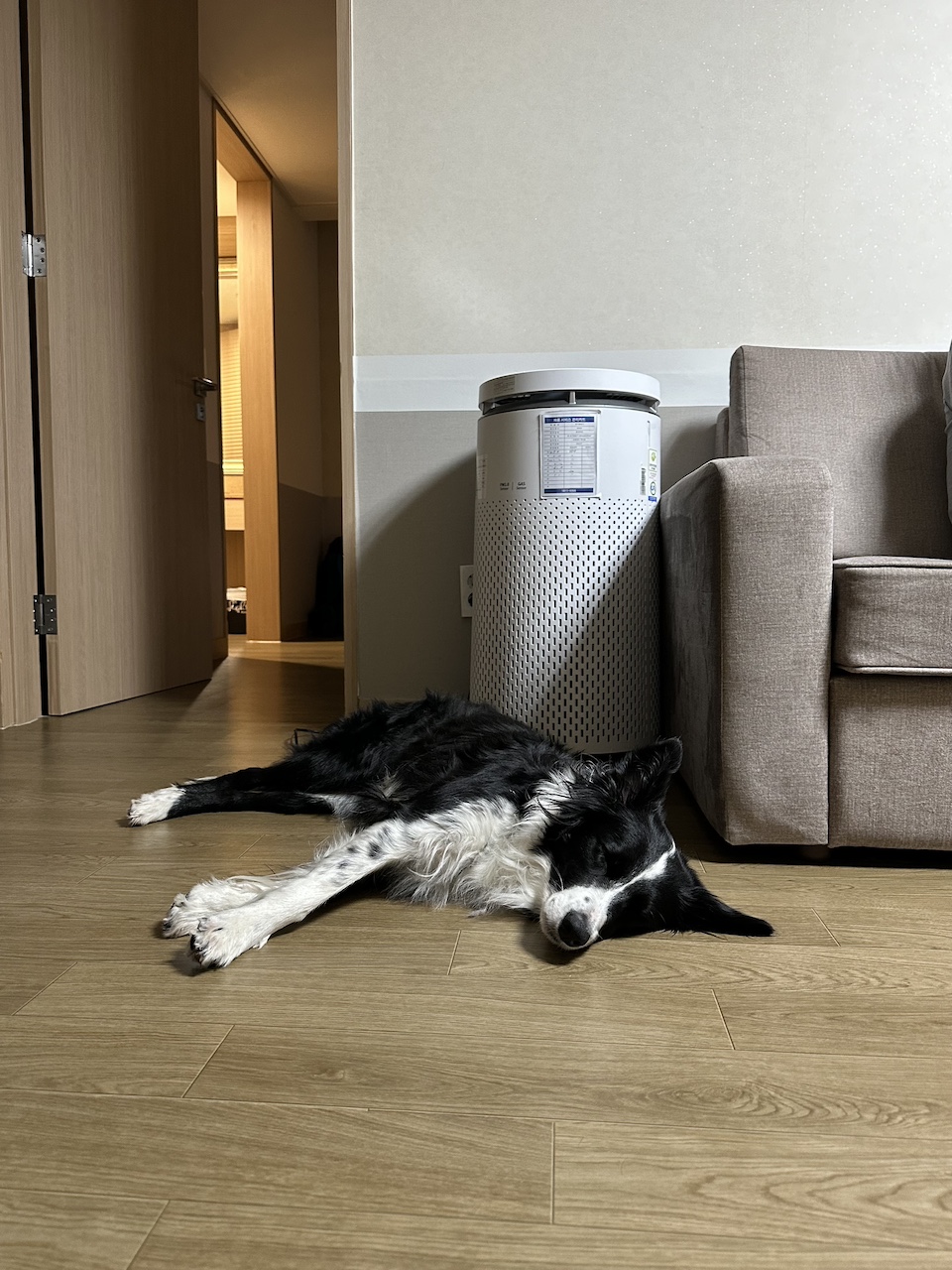
In short, Yongpyong offers more flexibility and choice around where you stay, especially if you’re fine driving a short distance. High 1 is all about convenience and staying on the mountain. Neither approach is better across the board, but they suit different travel styles.
🎒 Things to Do Beyond Skiing
If you’re looking to fill time off the slopes, Yongpyong Resort and High 1 Resort offer very different experiences.
Yongpyong’s biggest advantage here is its location. Being close to Pyeongchang opens up more options once you step away from the mountain. One of my favorite off-slope activities in the area is trekking around Daegwallyeong, especially if you have a car. The trails are well marked, the scenery is wide open, and it’s an easy way to balance skiing with something quieter. It’s also an area we’ve spent a lot of time exploring with our dog, which makes it a good fit for longer trips.
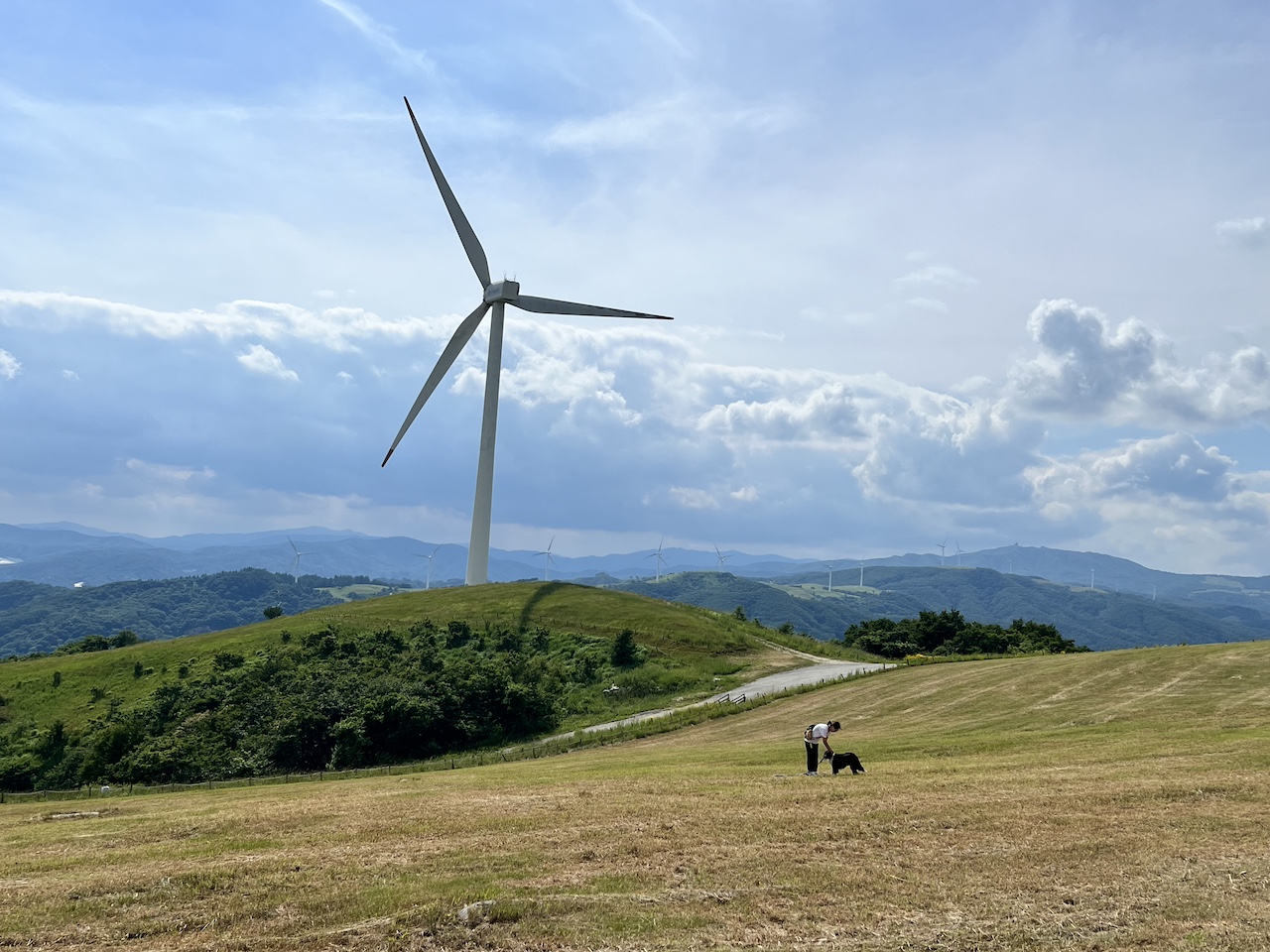
Beyond trekking, the Pyeongchang area has more restaurants, cafés, and low-key bars than you’ll find near High 1. There’s no real après-ski scene in the Western sense, but there’s enough nearby that you don’t feel confined to the resort once the lifts stop running. In warmer months, Yongpyong transitions well into hiking, sightseeing, and general outdoor travel, which makes it easier to justify return visits outside of ski season.
High 1 is more self-contained. Most of what there is to do beyond skiing is part of the resort complex itself. The casino is the most obvious draw and a major reason some people choose to stay there. It’s not something I’ve spent time at, but it’s clearly a centerpiece of the resort and adds a different option for visitors who enjoy that kind of entertainment. High 1 also has a water park and a few other indoor facilities that help fill downtime, especially in winter.
Outside the resort, options are limited. The nearby towns have a handful of solid local restaurants, but you’ll need a car or taxi to reach them, and there isn’t much in the way of sightseeing or wandering around. Like Yongpyong, High 1 operates year-round and shifts toward outdoor activities in summer, but the experience stays focused on the resort rather than exploring the surrounding area.
In short, Yongpyong works better if you want to mix skiing with exploring the region. High 1 is better suited to trips where skiing is the main focus and anything else is secondary and on-site.
🌄 Overall Vibe and Who Each Resort Is For
At this point, Yongpyong Resort and High 1 Resort are the two ski resorts I come back to most often in South Korea. I don’t think one is clearly better than the other. I usually decide based on the kind of trip I’m trying to put together.
I tend to choose Yongpyong when I want strong skiing without committing to staying inside the resort bubble the entire time. It’s easier to reach, easier to combine with other plans, and easier to pair with nearby areas like Pyeongchang or Daegwallyeong. If I’m only skiing part of the day, meeting friends, or mixing skiing with other activities, Yongpyong usually makes more sense.
When I’m there to ski seriously, I know exactly where I’m going, usually straight to Rainbow or Gold, and that focus works for the way the mountain is laid out.
I lean toward High 1 when the plan is simple: get there, stay put, and ski. Once you arrive, everything revolves around the mountain. The ski-in, ski-out setup makes it easy to settle into a routine, and over multiple days I enjoy being able to move around the resort without feeling tied to one specific zone. It’s not as easy to reach, but when skiing is the main objective, that tradeoff is worth it for me.
If I had to explain it simply, I’d say this: if you want flexibility, easier access, and the option to do more than just ski, Yongpyong is usually the better fit. If you want a self-contained ski trip where you show up, stay on the mountain, and focus on skiing for a few days, High 1 is hard to beat.
That’s how I choose between them, and it’s why I keep skiing both.
🎿 Final Thoughts, Choosing Between High 1 and Yongpyong
Yongpyong Resort and High 1 Resort are the two ski resorts I return to most often in South Korea, and I don’t think there’s a single right answer between them.
Yongpyong tends to work better when access, flexibility, and mixing skiing with other plans matter. High 1 shines when the goal is to settle in, stay on the mountain, and ski without thinking much about logistics.
The skiing is strong at both. What changes from trip to trip is the shape of the experience, and that’s what usually makes the decision for me.
🙏 Support the Blog
This post is not sponsored by any resort, hotel, or brand. Some of the links here are affiliate links, which means I may earn a small commission if you book through them at no extra cost to you.
If you found this guide helpful and want to support the time and travel that go into keeping this site running, you can send a small donation through Buy Me a Coffee using the button below.
It is never expected, but it genuinely helps me keep sharing honest advice and firsthand stories from my ski trips, hikes, and off the beaten path adventures around Asia.
❓ High 1 vs Yongpyong FAQs
Is High 1 or Yongpyong better for first-time skiers in South Korea?
Both work well, but Yongpyong is usually easier for first-time visitors. It’s simpler to reach by public transportation, has a more centralized base area, and offers clearer package options that bundle lift tickets, rentals, and lessons. High 1 is better suited to travelers who are comfortable planning logistics or staying overnight at the resort.
Which resort is better for advanced and expert skiers?
Yongpyong has the edge for advanced and expert skiers, especially in the Rainbow and Gold Zones. The Rainbow Zone, in particular, offers long, steep runs and a crowd that’s generally comfortable on that terrain. High 1 has good advanced runs as well, but it doesn’t quite match the sustained steepness of Yongpyong’s top zones.
Is High 1 worth the extra effort to get there?
Yes, if your goal is to ski for multiple days and stay on the mountain. High 1 is more difficult to reach, especially without a car, but the ski-in, ski-out condo setup makes it easy to settle in and focus on skiing once you arrive. For short trips or day trips, Yongpyong is usually the more practical choice.
Which resort has better lodging options?
Yongpyong offers more variety overall, with a mix of on-site hotels and condos at different price points, plus additional options in nearby Pyeongchang. High 1’s lodging is more standardized and centered around ski-in, ski-out condos, which works very well for overnight ski trips but offers less variety.
Are either High 1 or Yongpyong good without a car?
Yongpyong is much easier without a car thanks to train, bus, and shuttle connections through Pyeongchang. High 1 is harder to manage without driving, though private transfers can make it workable. If you’re relying entirely on public transportation, Yongpyong is the safer choice.
Can you ski both resorts on the same trip?
Yes, but it’s easier to do if you’re staying near Yongpyong or Pyeongchang and have a car. Yongpyong’s location makes it simpler to mix with other nearby resorts. High 1 is more isolated, so it’s usually better treated as its own dedicated ski stop rather than part of a multi-resort loop.
👉 My complete guide to Yongpyong Resort: Expert Terrain, Lift Tickets, Rentals and Travel Tips
👉 My complete guide to High 1 Resort: Why I Keep Coming Back to This Mountain
👉 Welli Hilli Park Resort Ski Guide: Quietly Excellent Advanced Skiing in South Korea
👉 Skiing and Travel in Hokkaido, Japan
👉 Beyond Japow: My Search for the Next Great Ski Destination in Asia